Ride Through the Granite Steppe of Central Kazakhstan
OVERVIEW
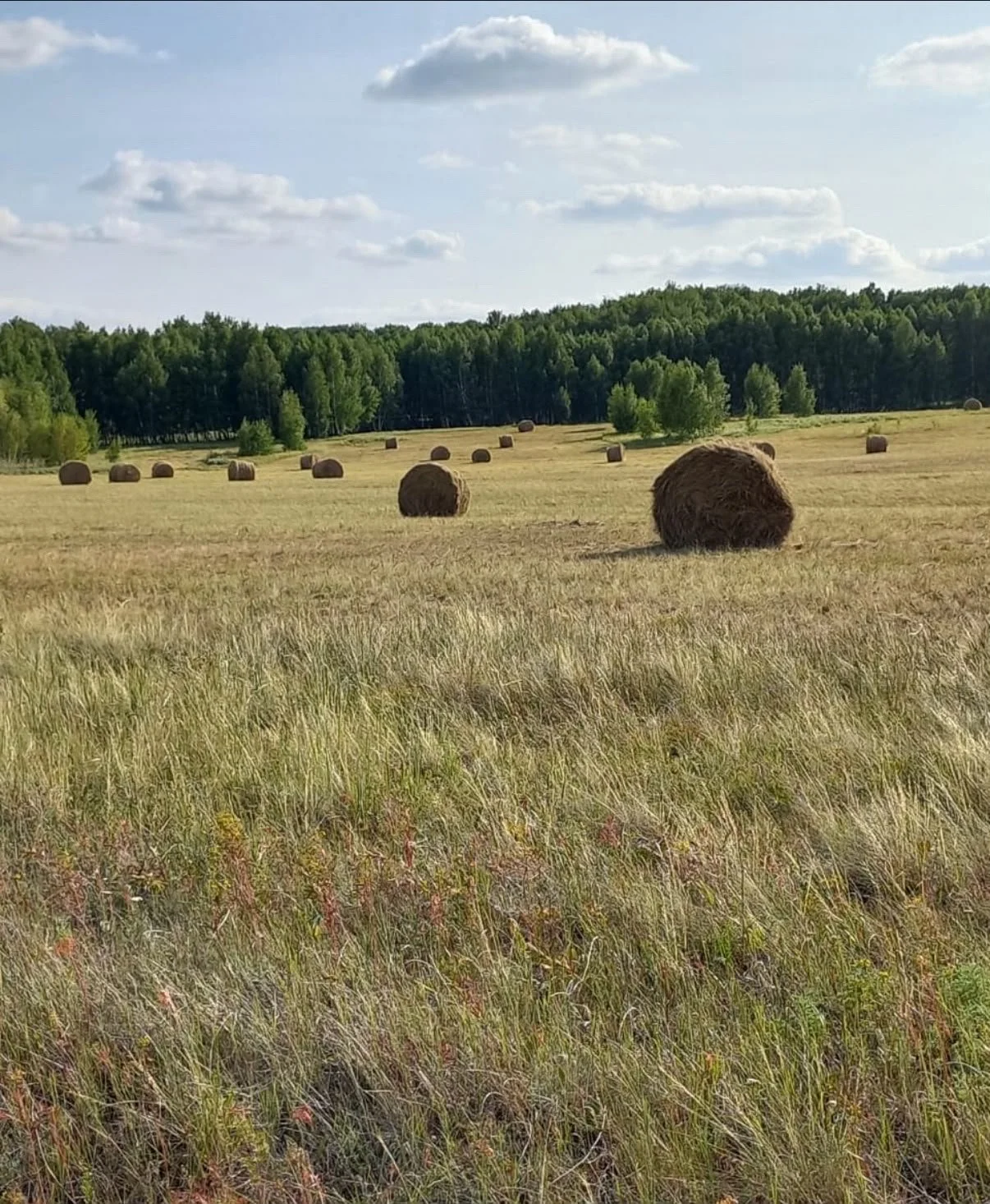
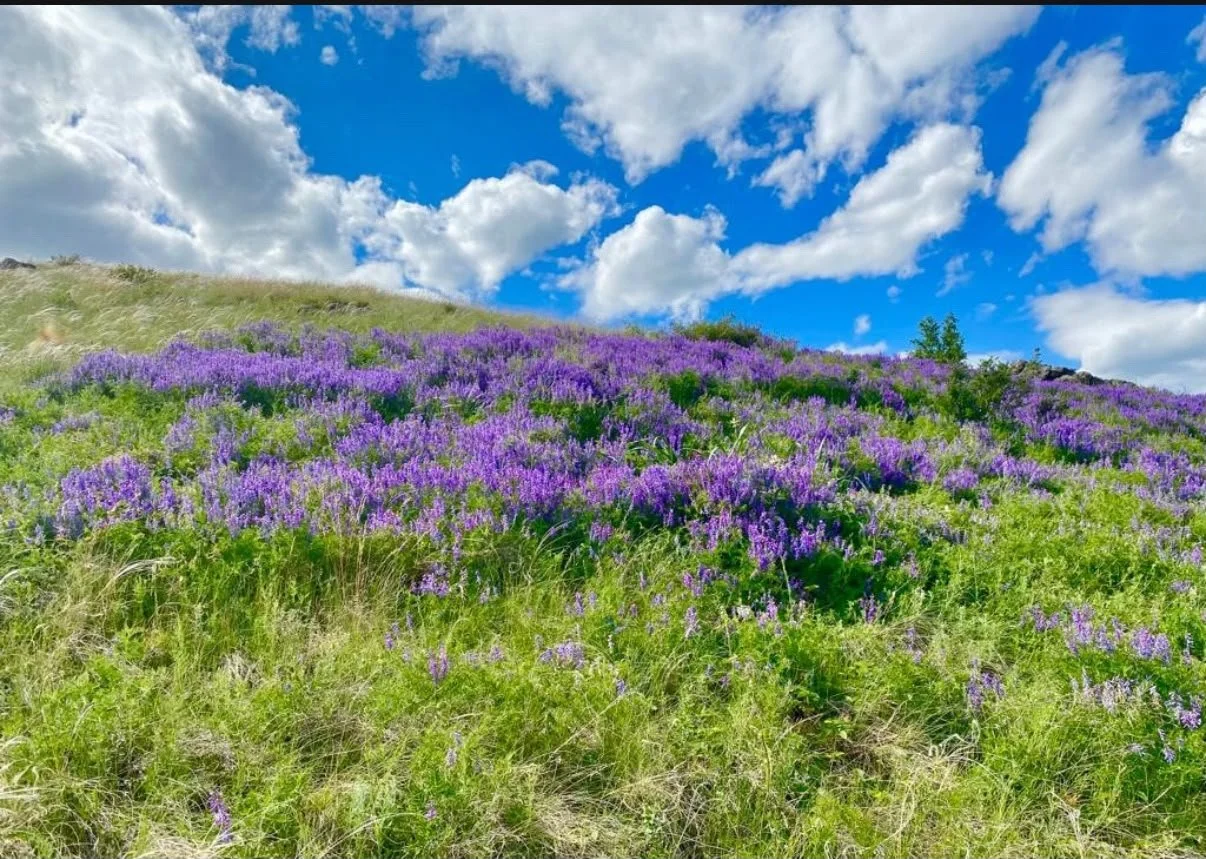
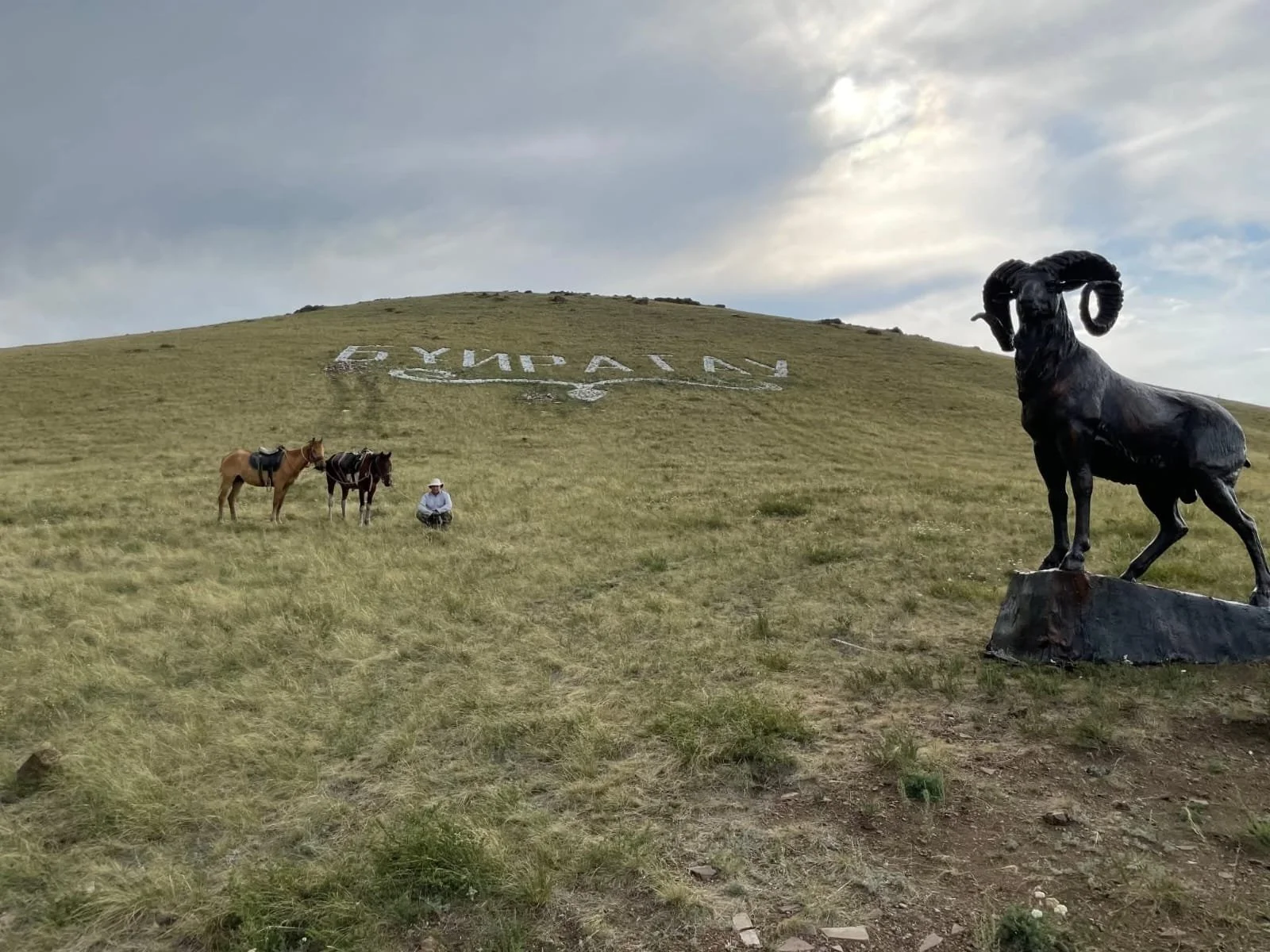
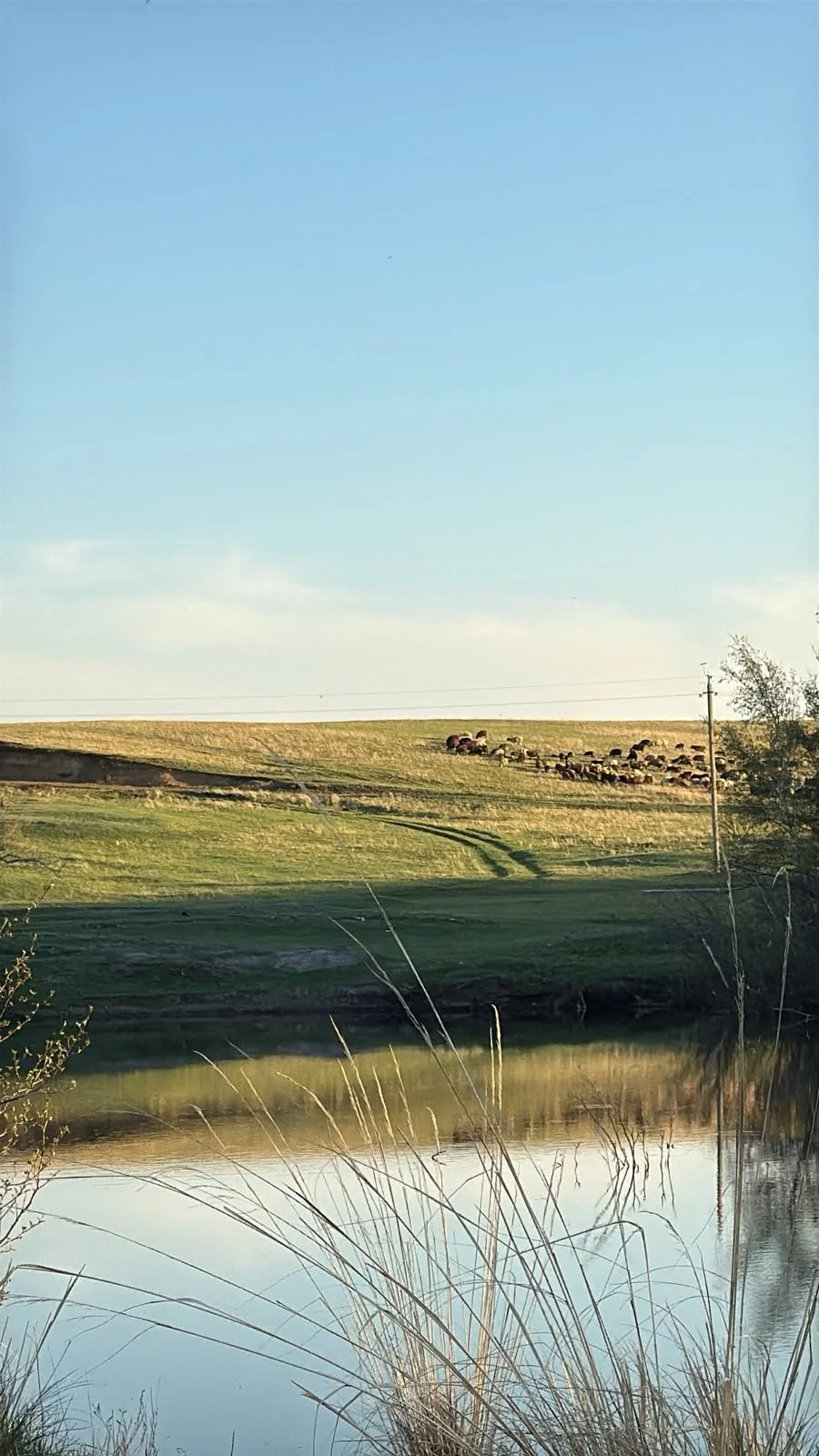
Kazakhstan's steppe is vast, wild, and still overlooked by most riders — and nowhere shows it off better than the granite hills of Buiratau National Park.
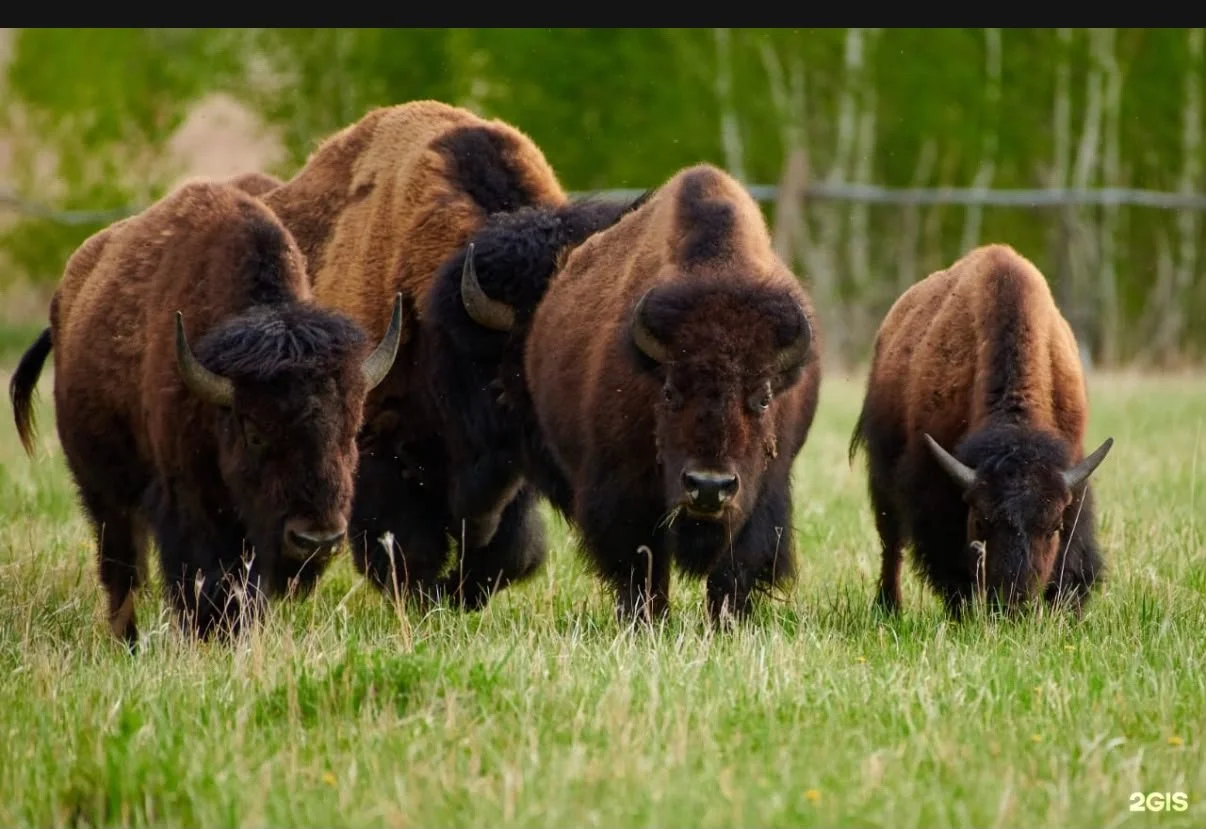
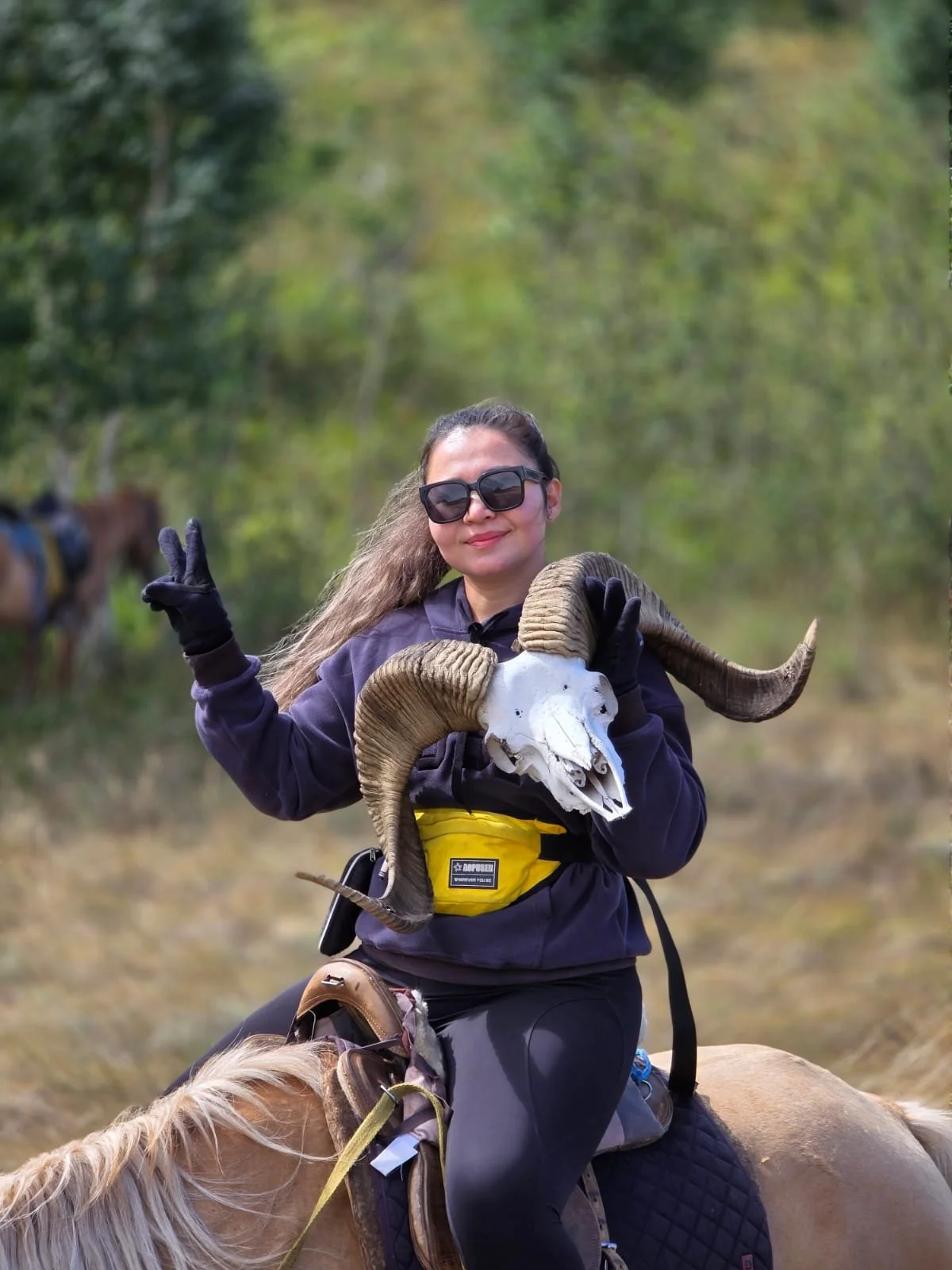
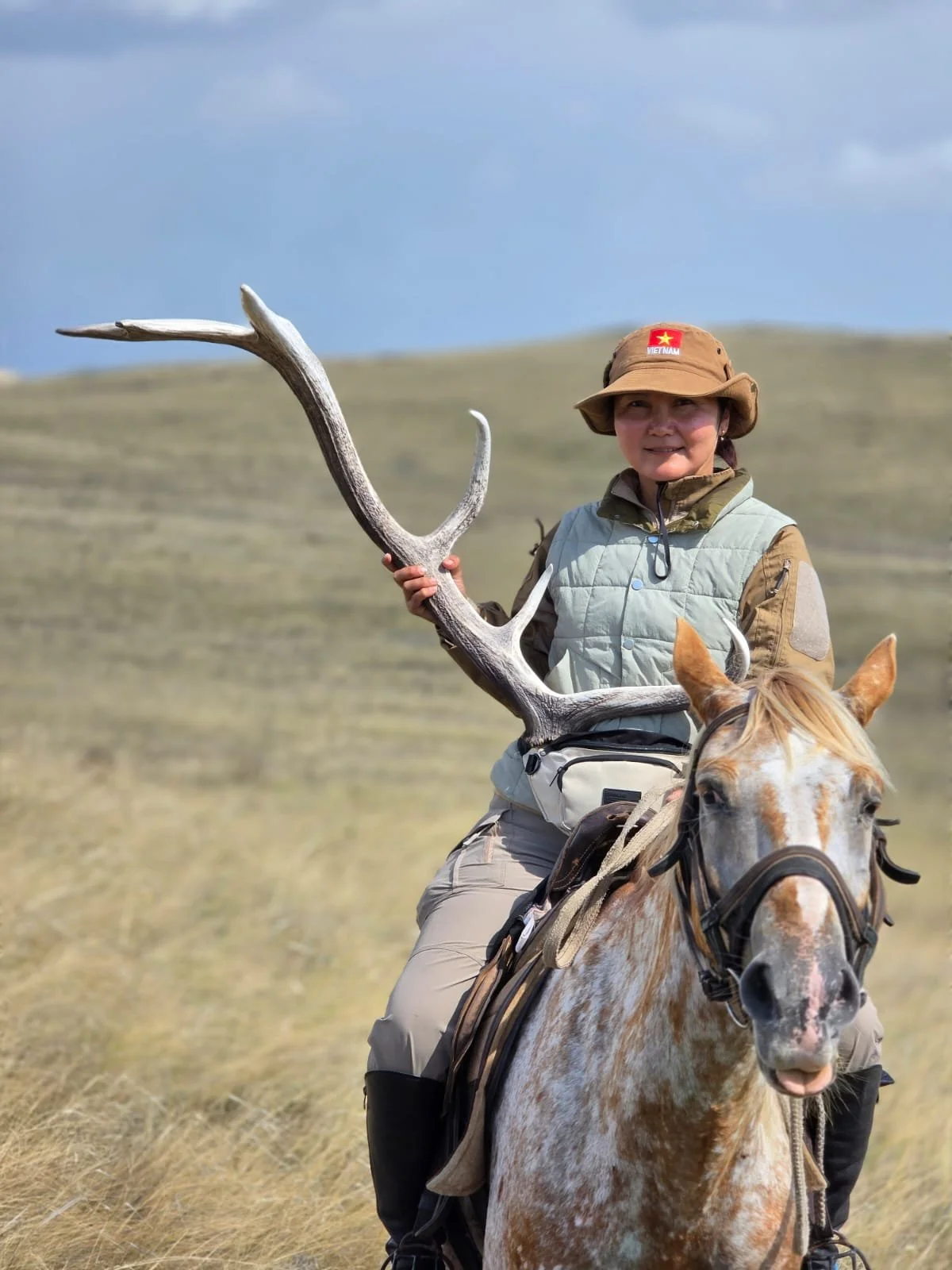
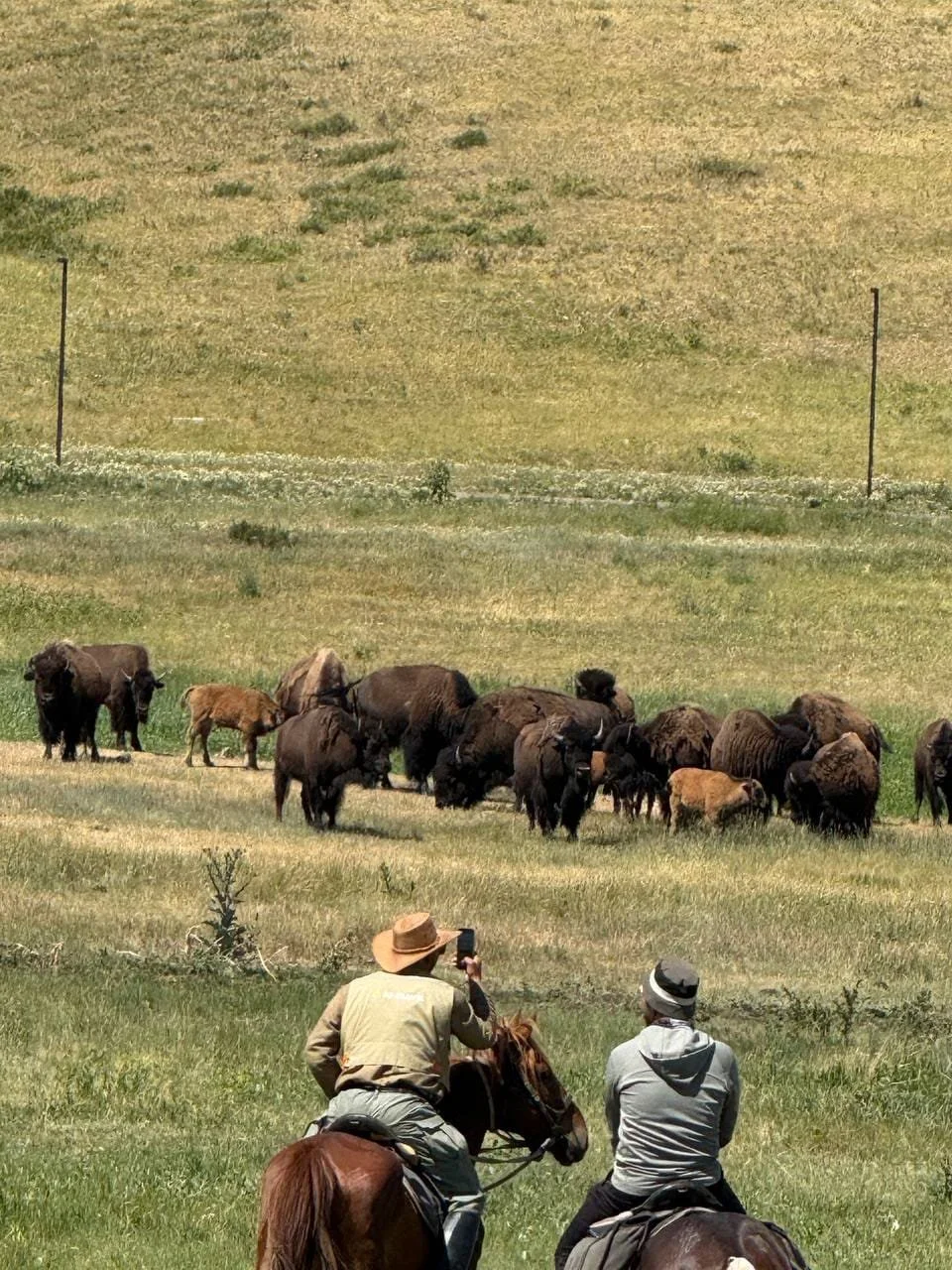
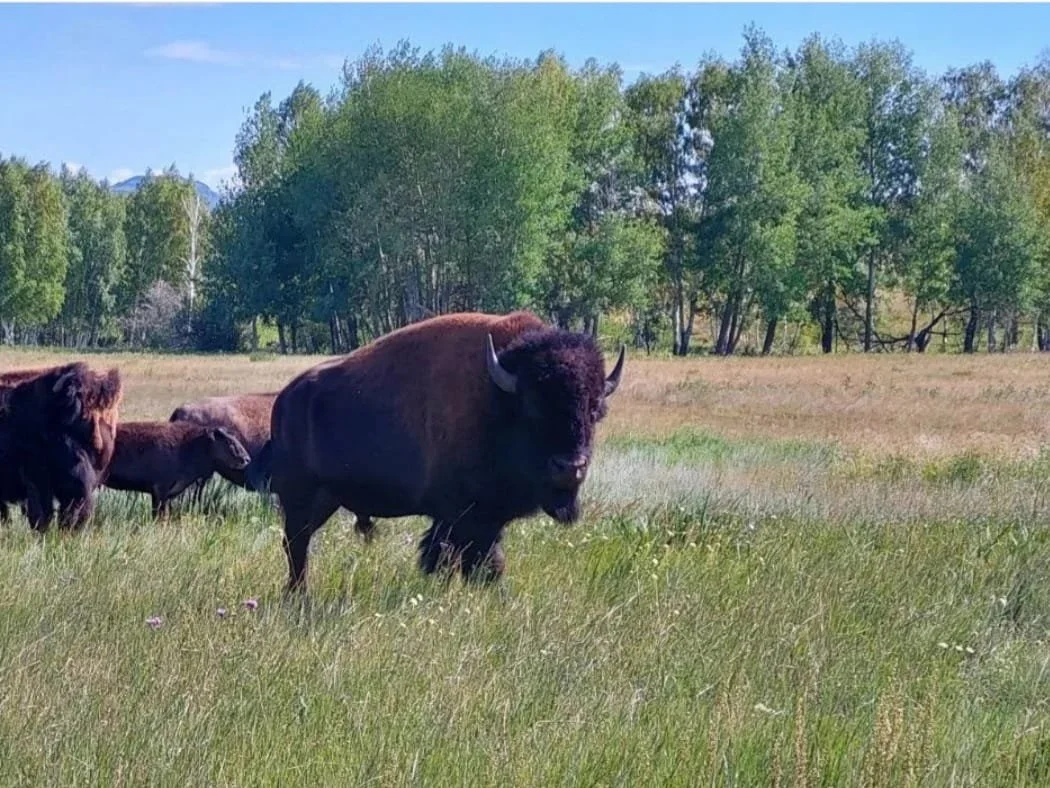
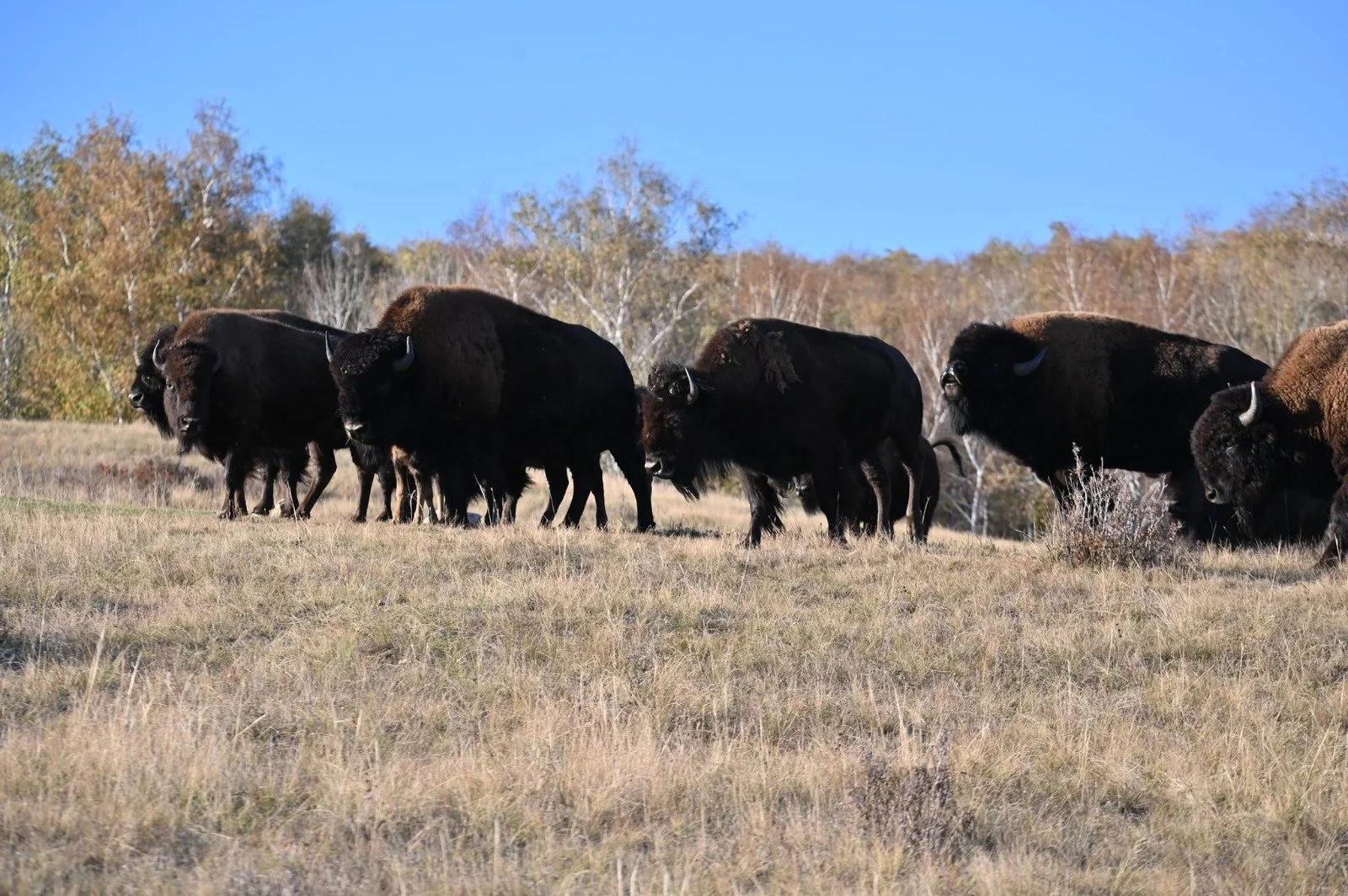
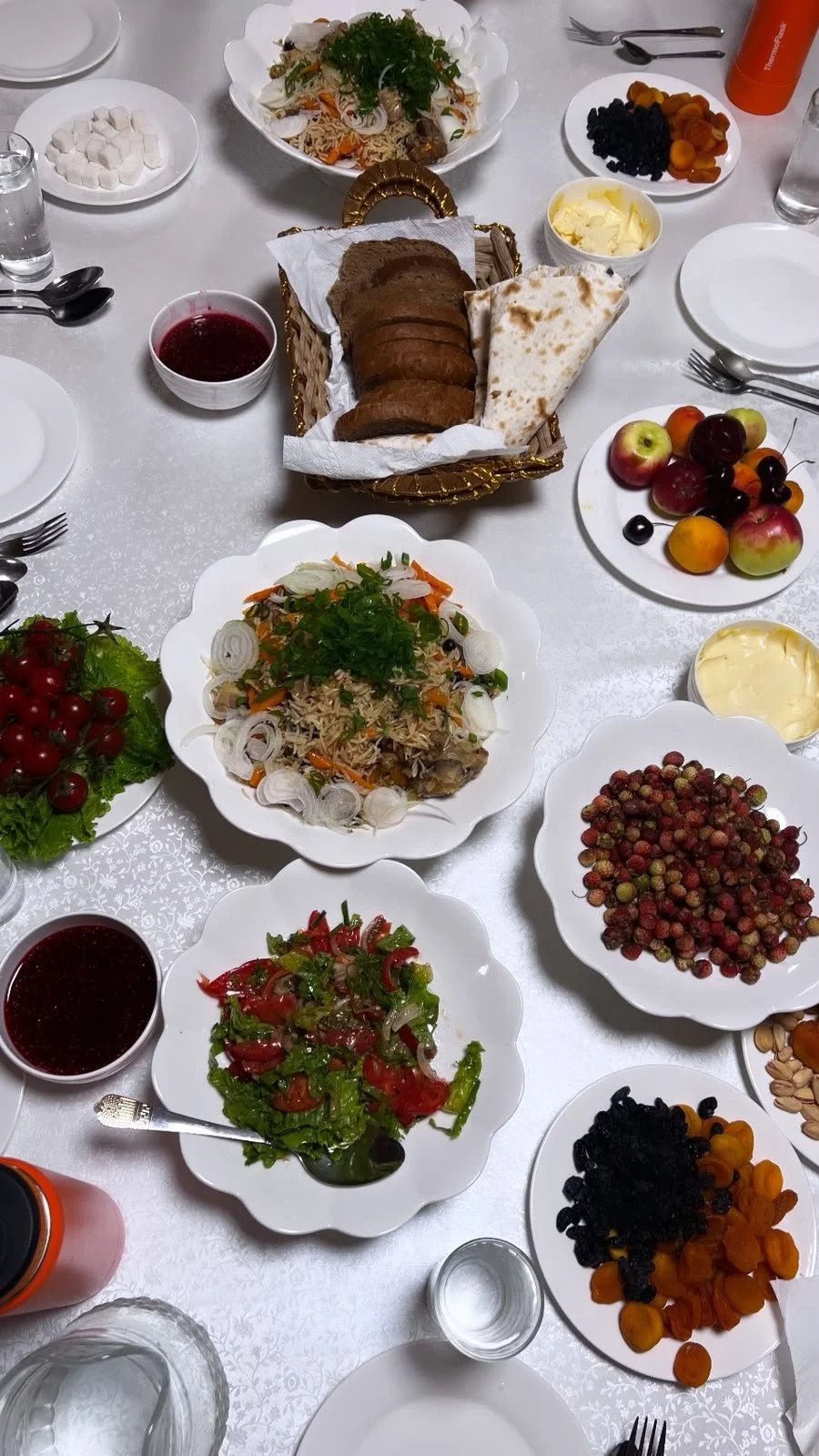
You'll ride out to a revered mountain spring, visit the memorial of the eighteenth-century Kazakh warrior Olzhabay Batyr, summit the highest point in the park at 902 metres, and watch for wild maral deer and steppe bison from the saddle. Evenings are spent around a traditional dastarkhan feast, dressed in national costume for photos to remember it by.
Ride through a landscape most travellers never even know exists.
TRIP HIGHLIGHTS
Ride deep into Buiratau National Park's granite steppe, barely touched by tourism
Summit the highest point in the park at 902 metres
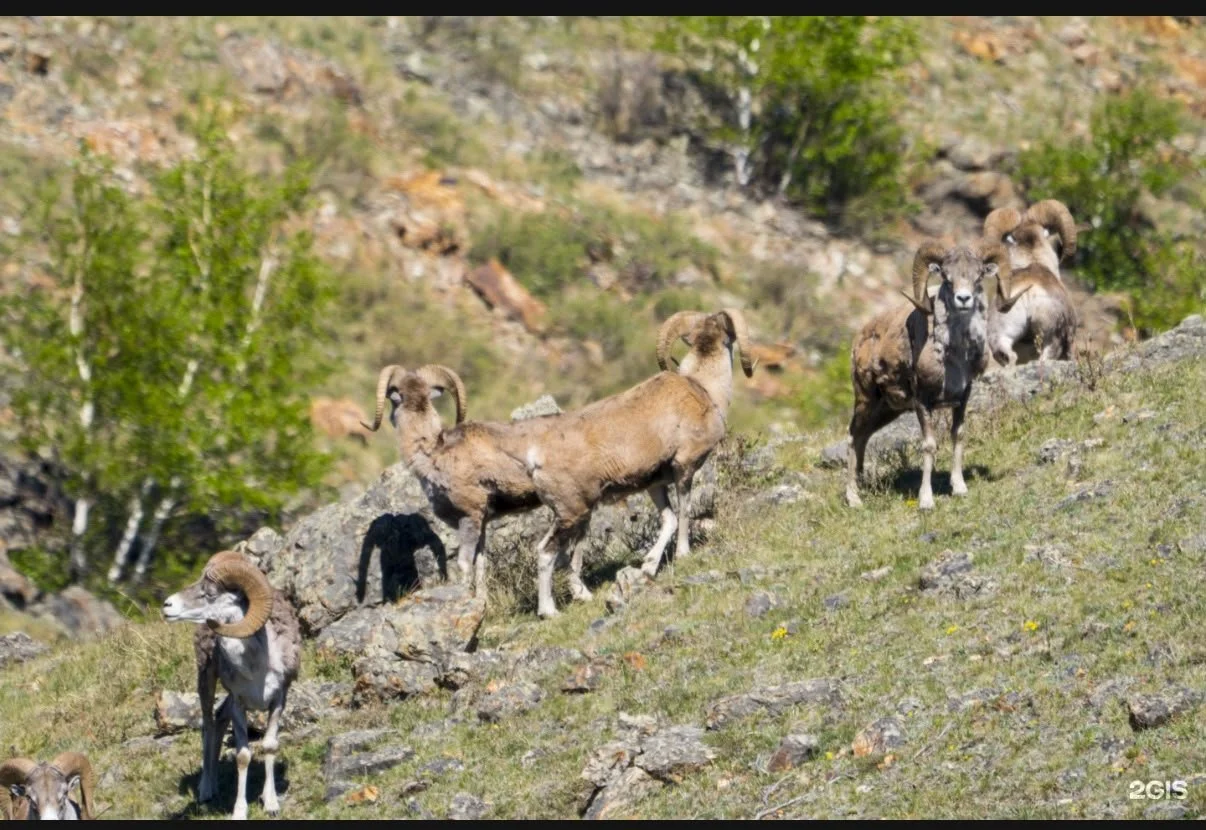
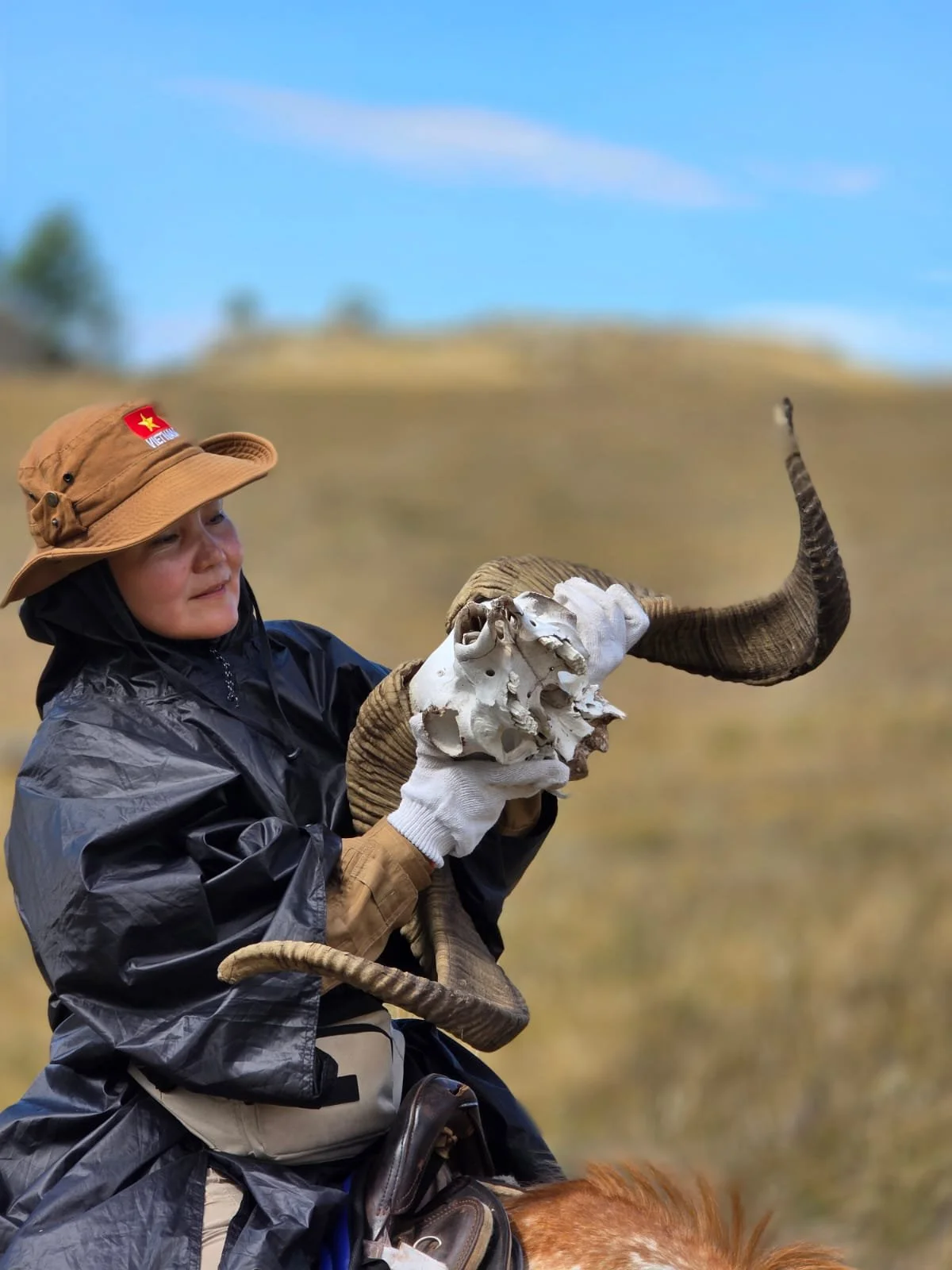
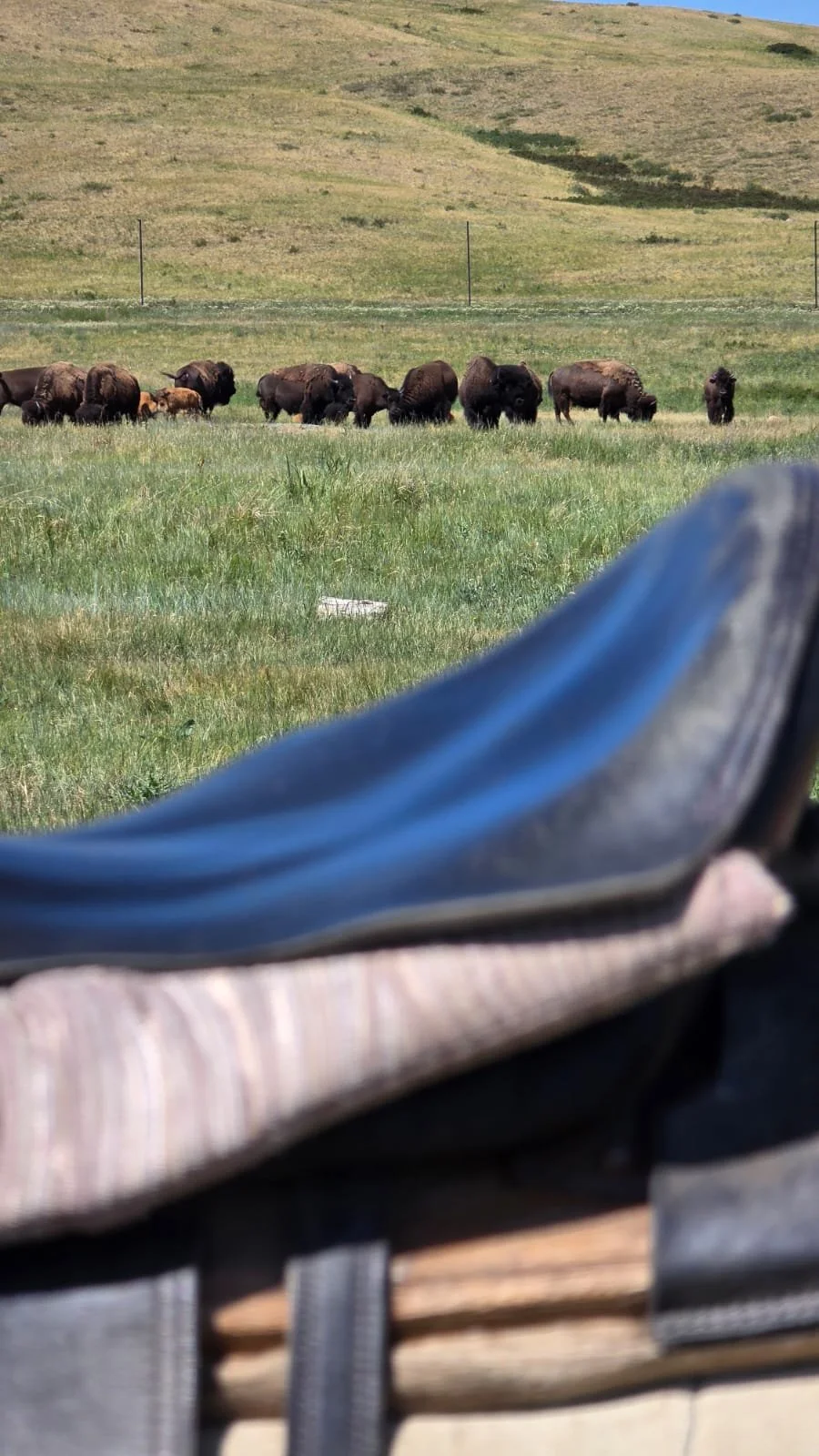
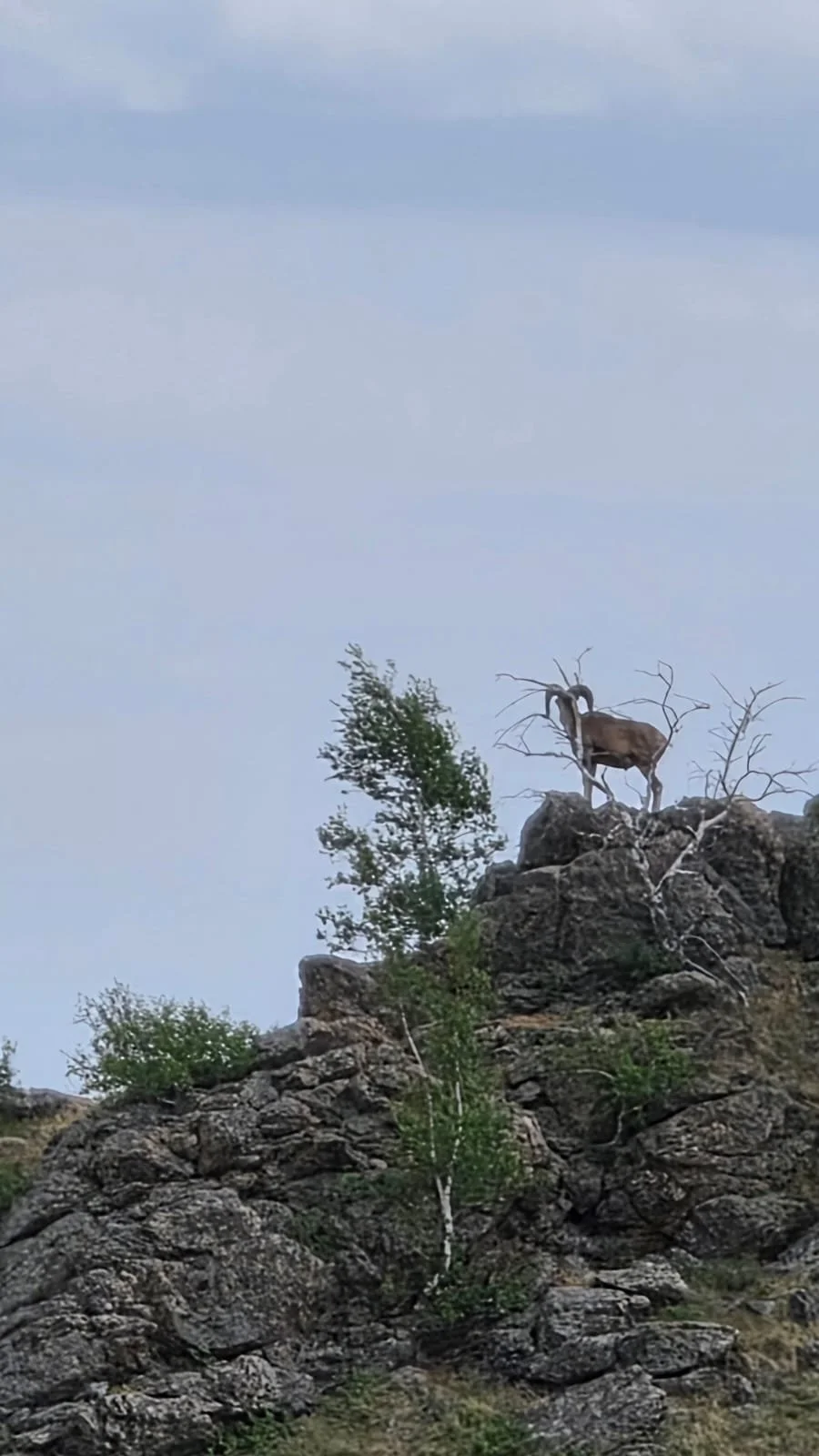
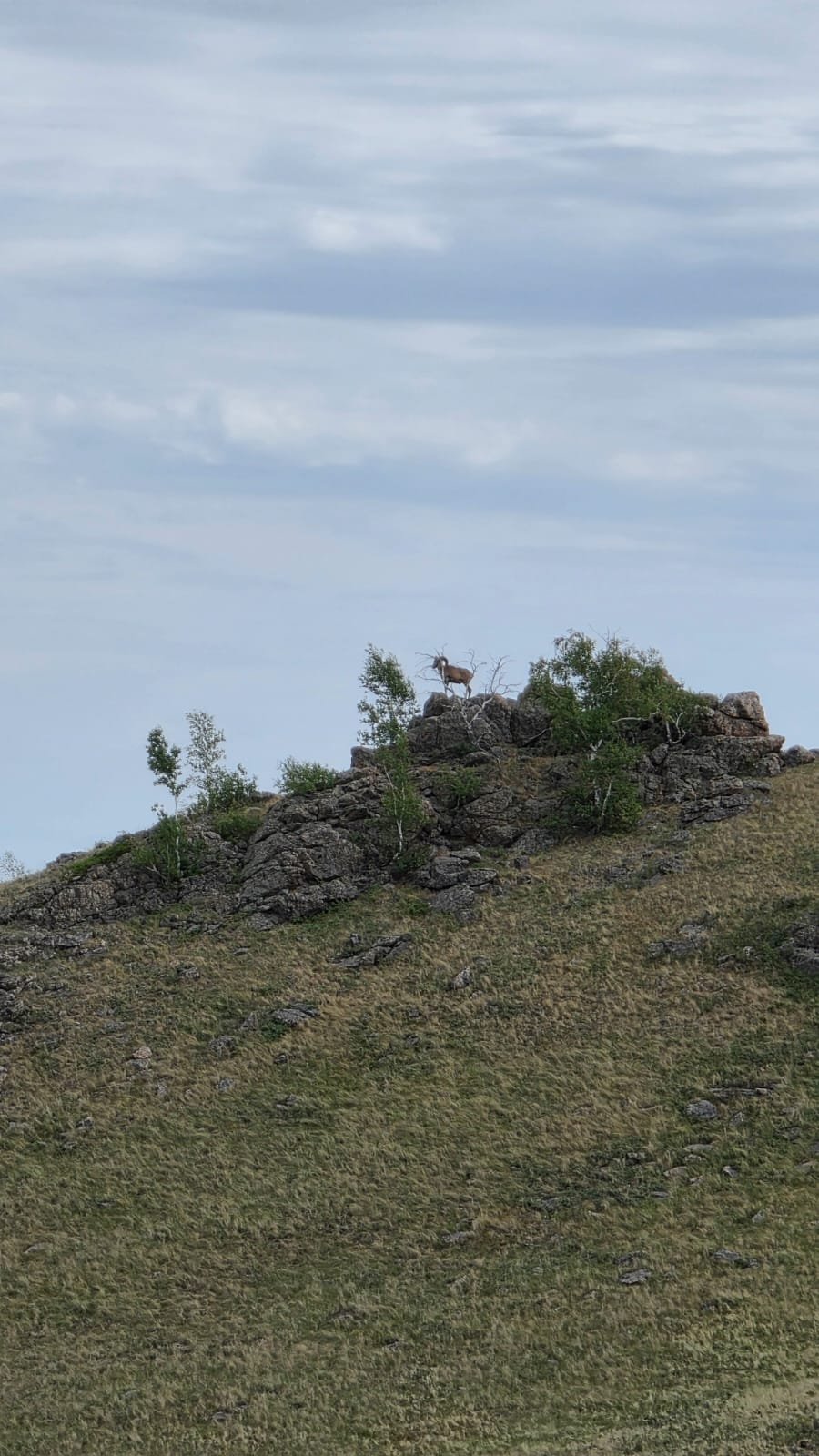
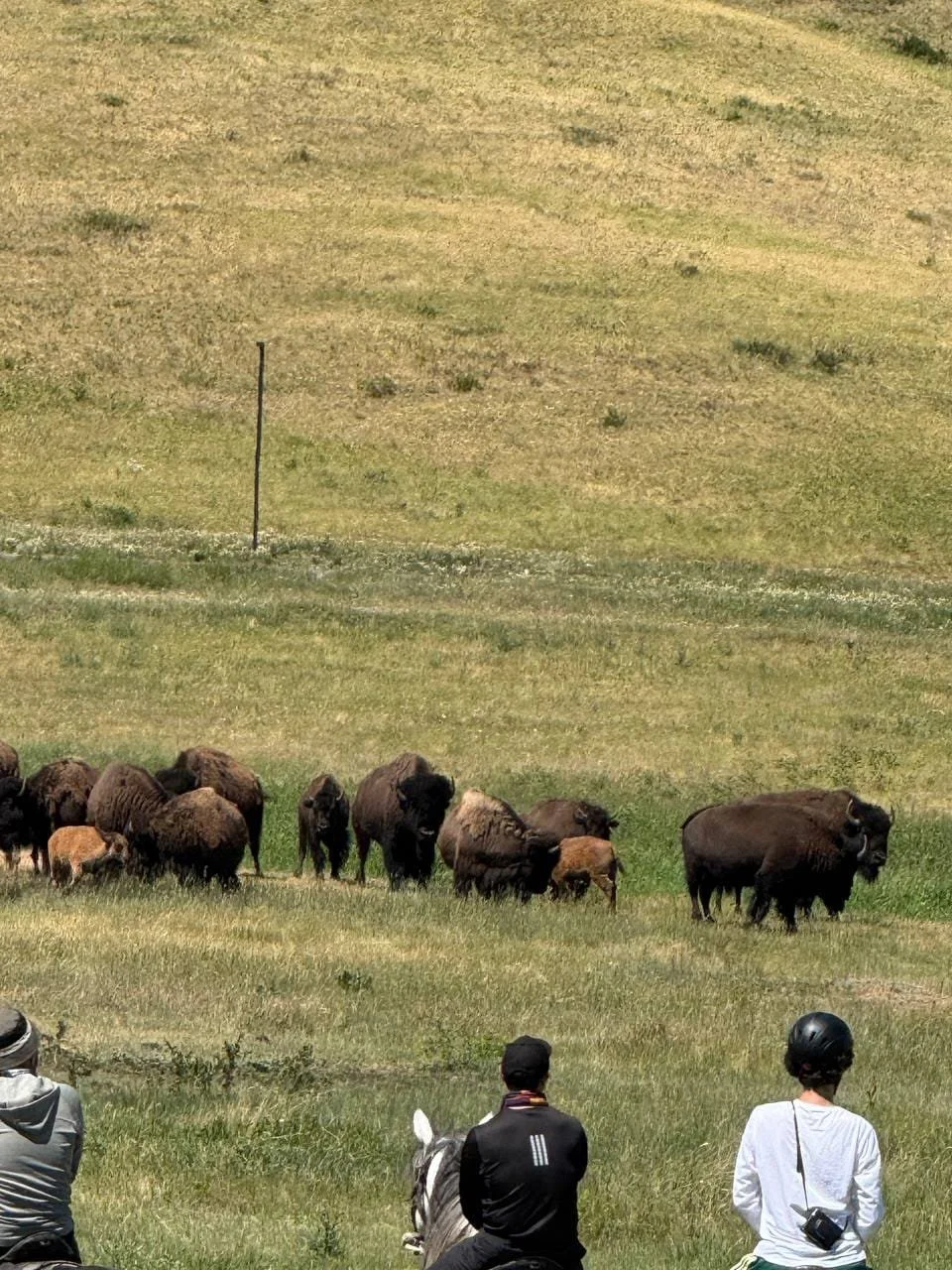
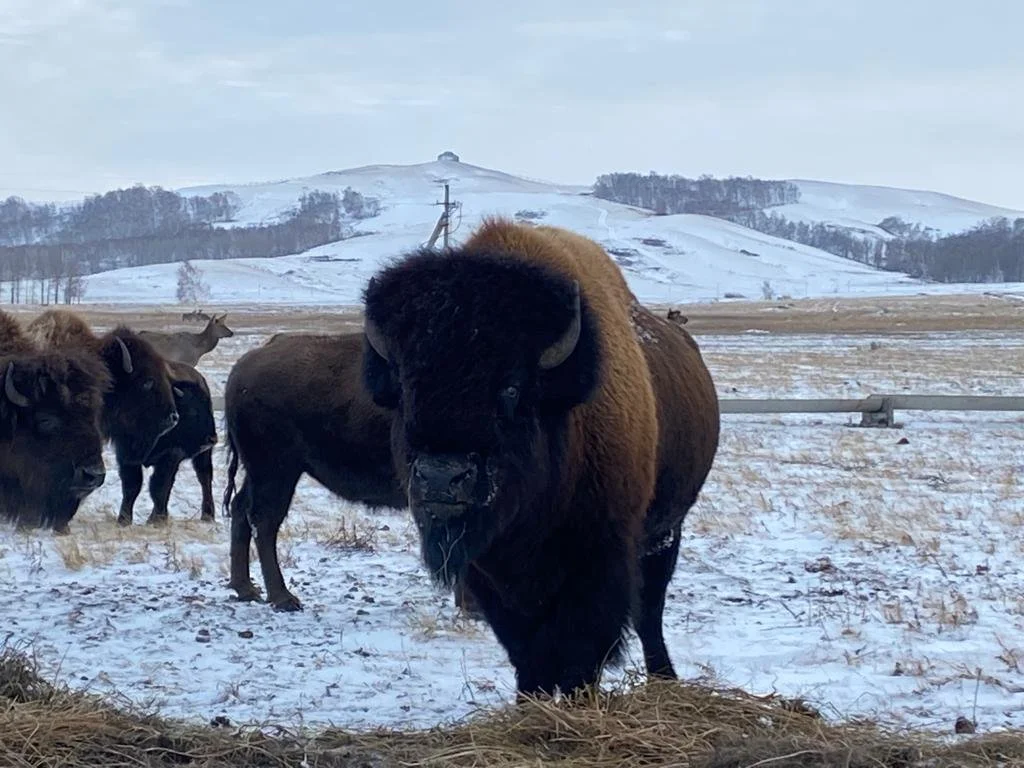
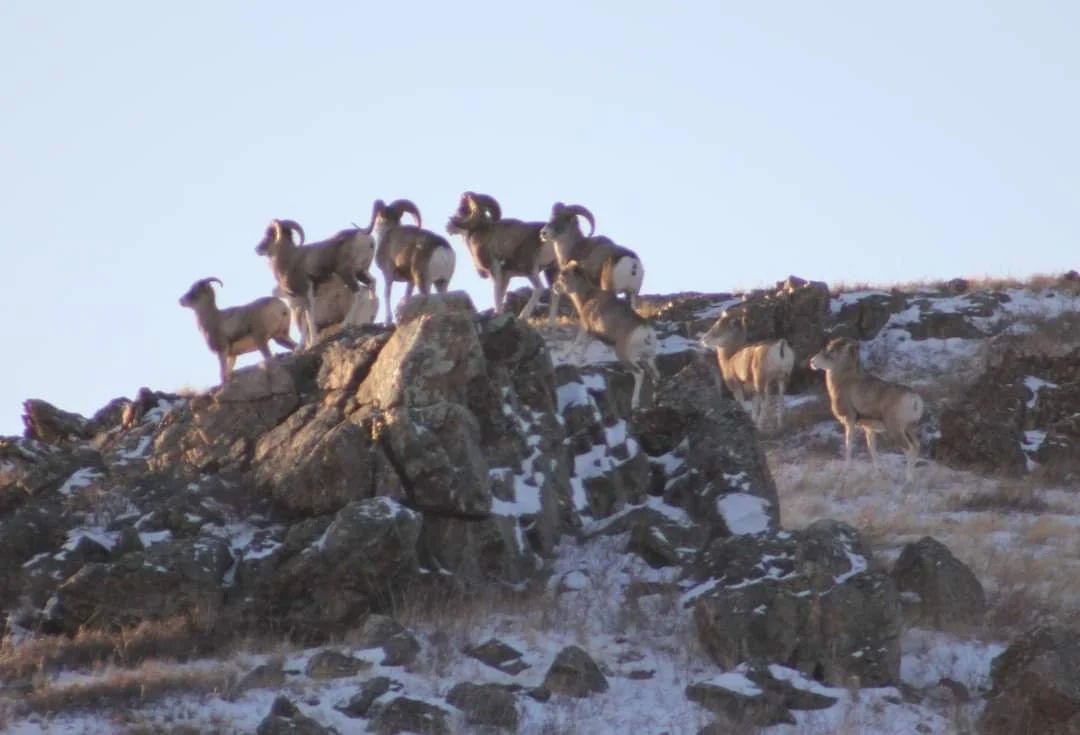
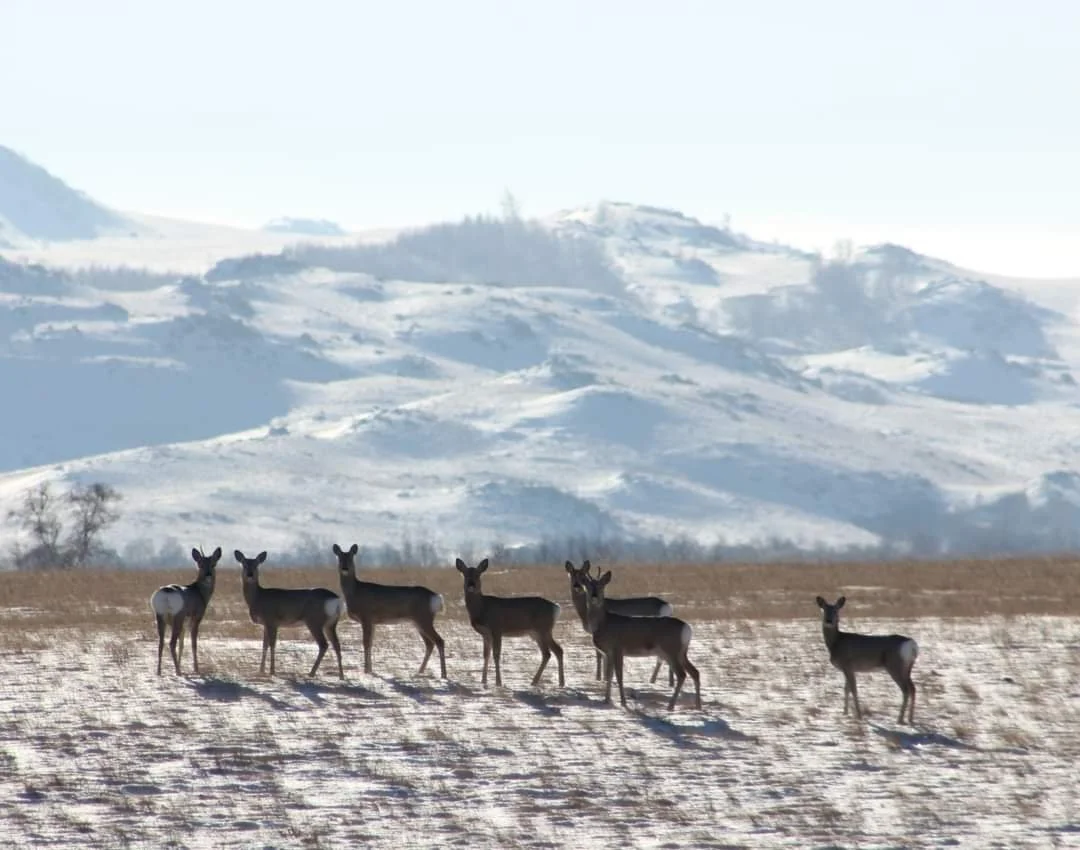
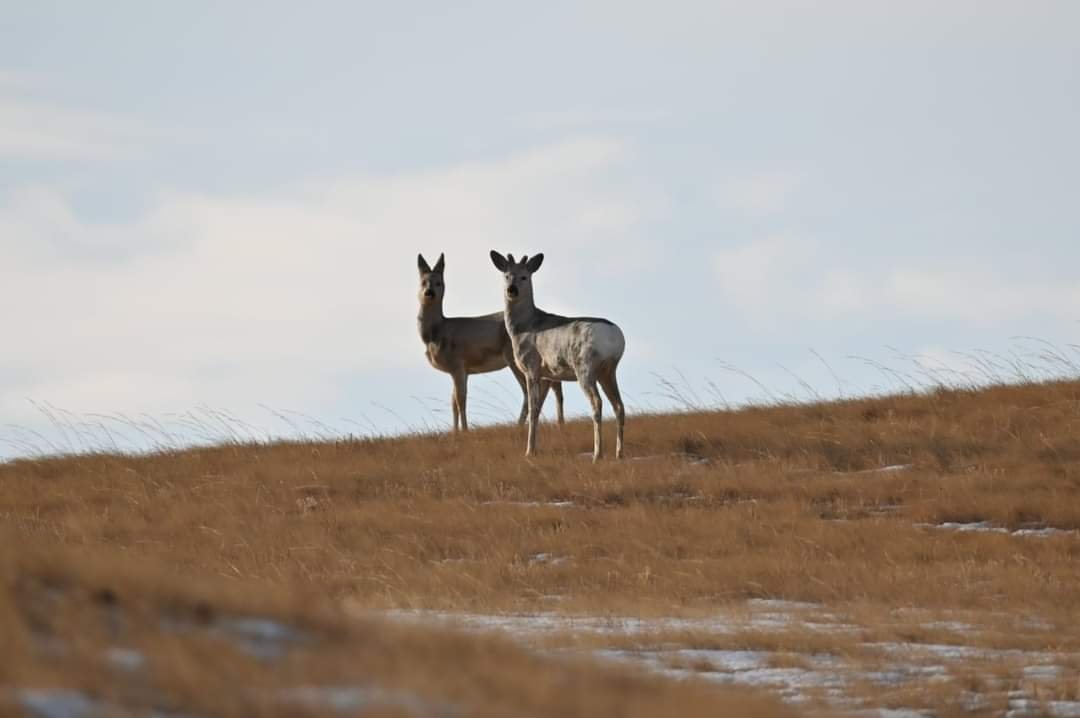
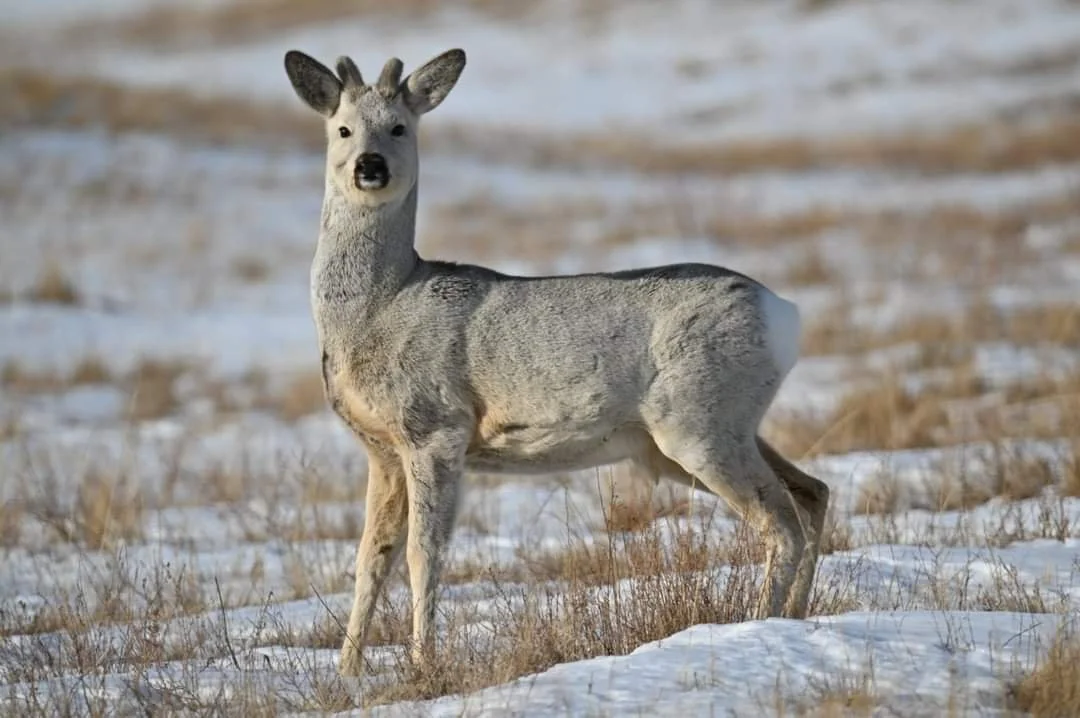
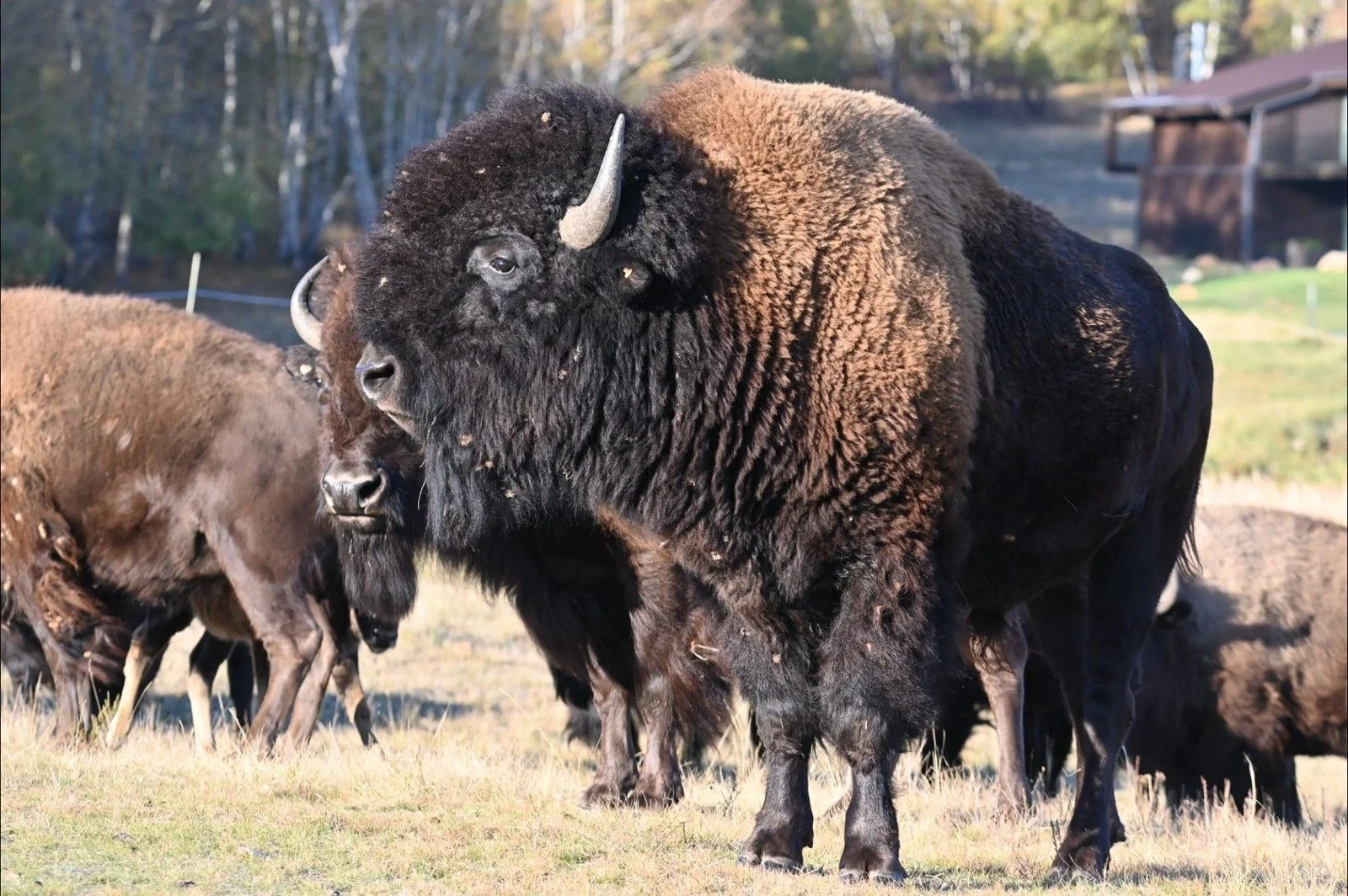
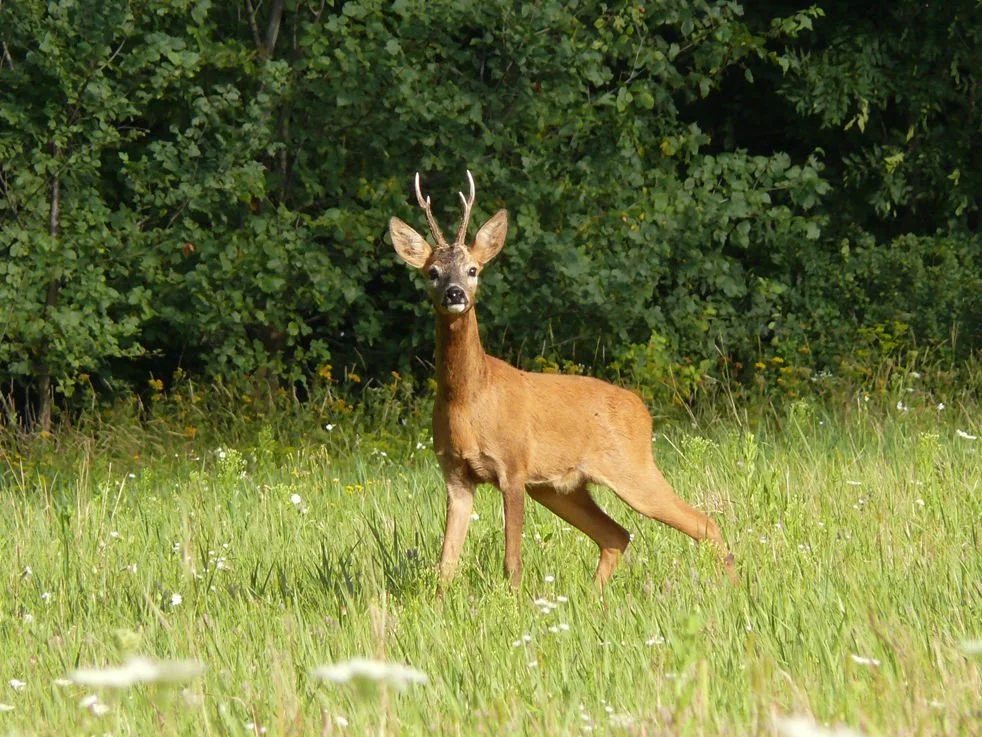
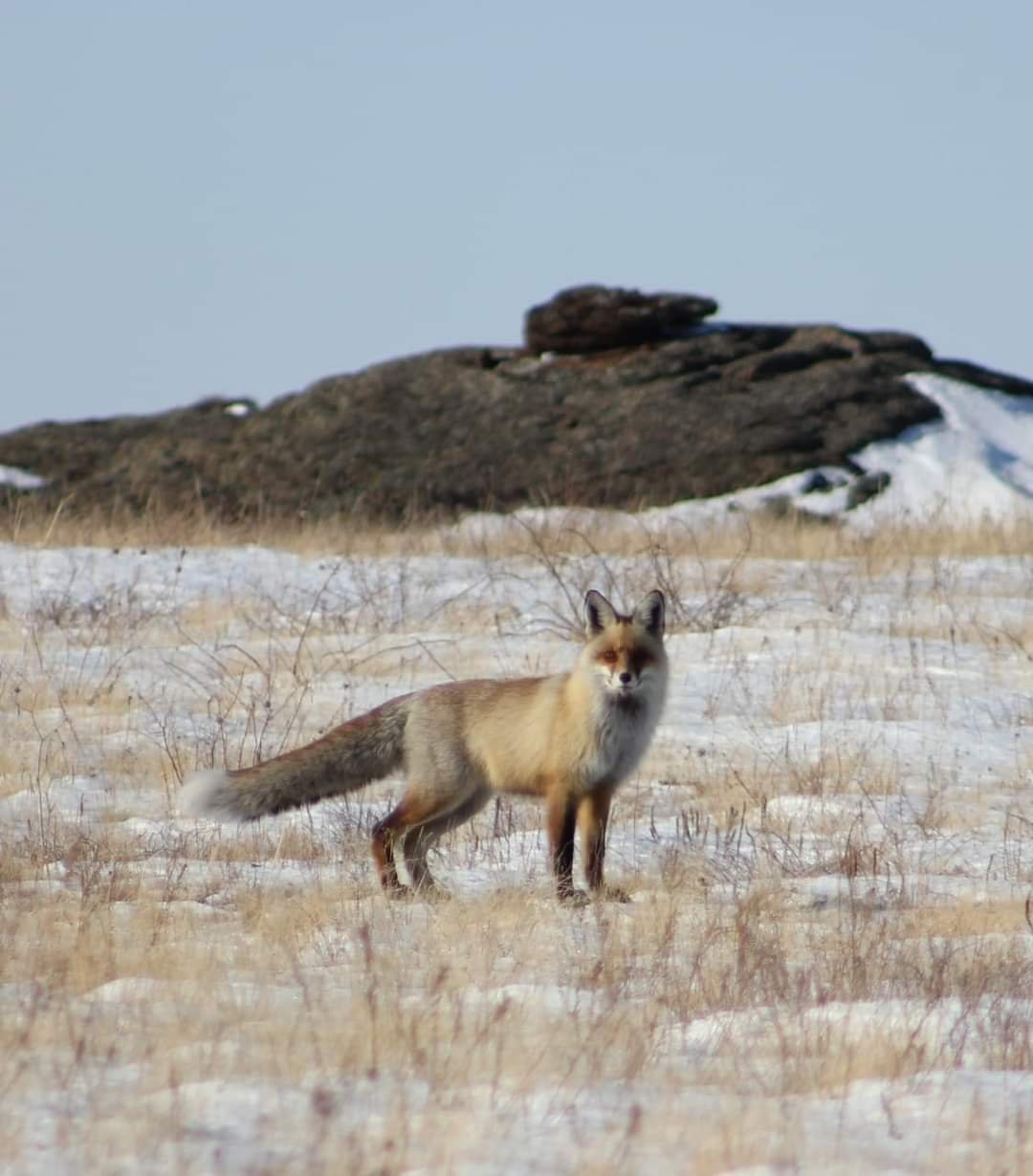
Watch for wild maral deer and steppe bison from horseback
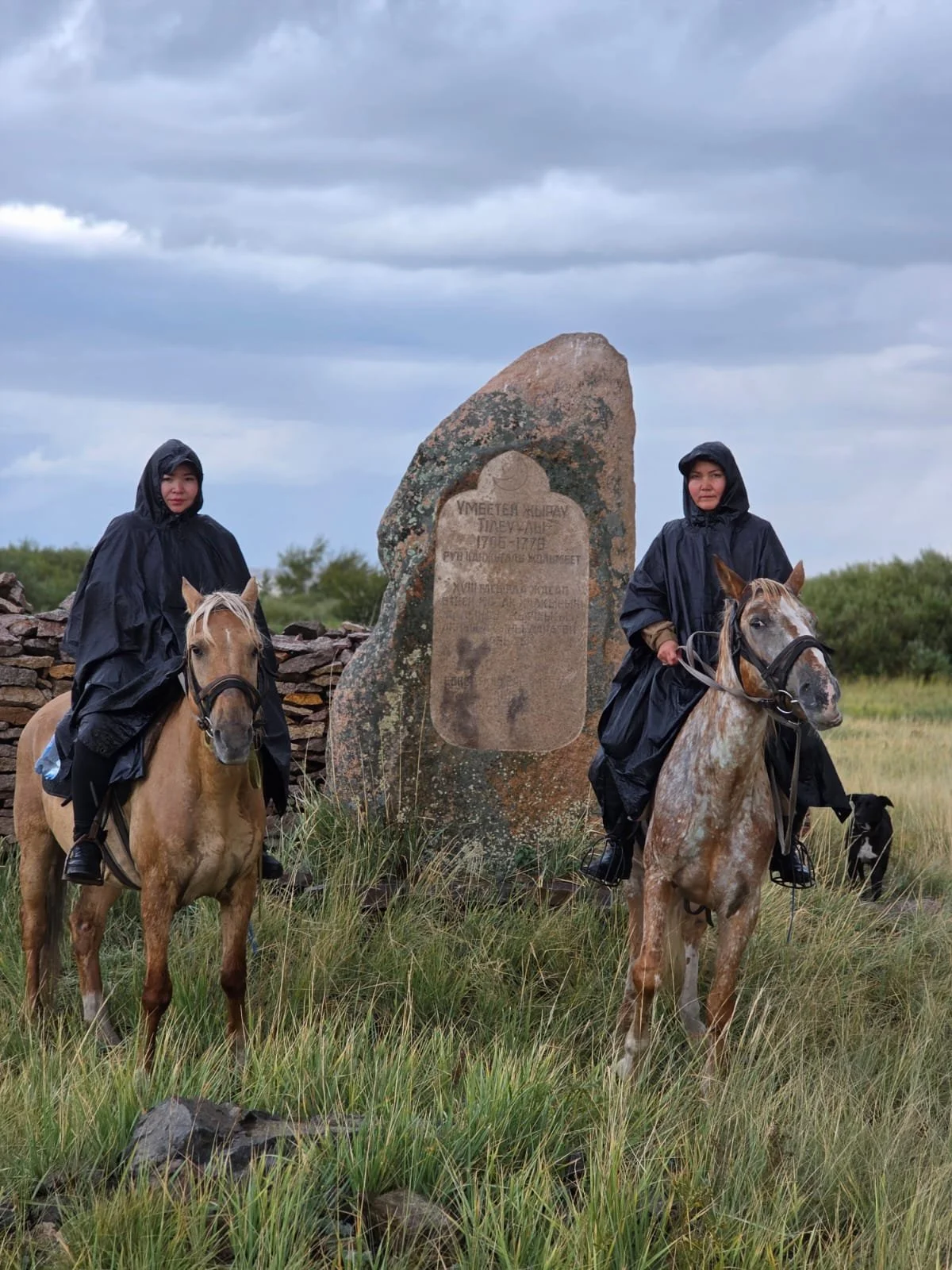
Visit the memorial of 18th-century Kazakh warrior Olzhabay Batyr
Ride past the ancient Saksiy burial mound, traces of steppe civilisations millennia old
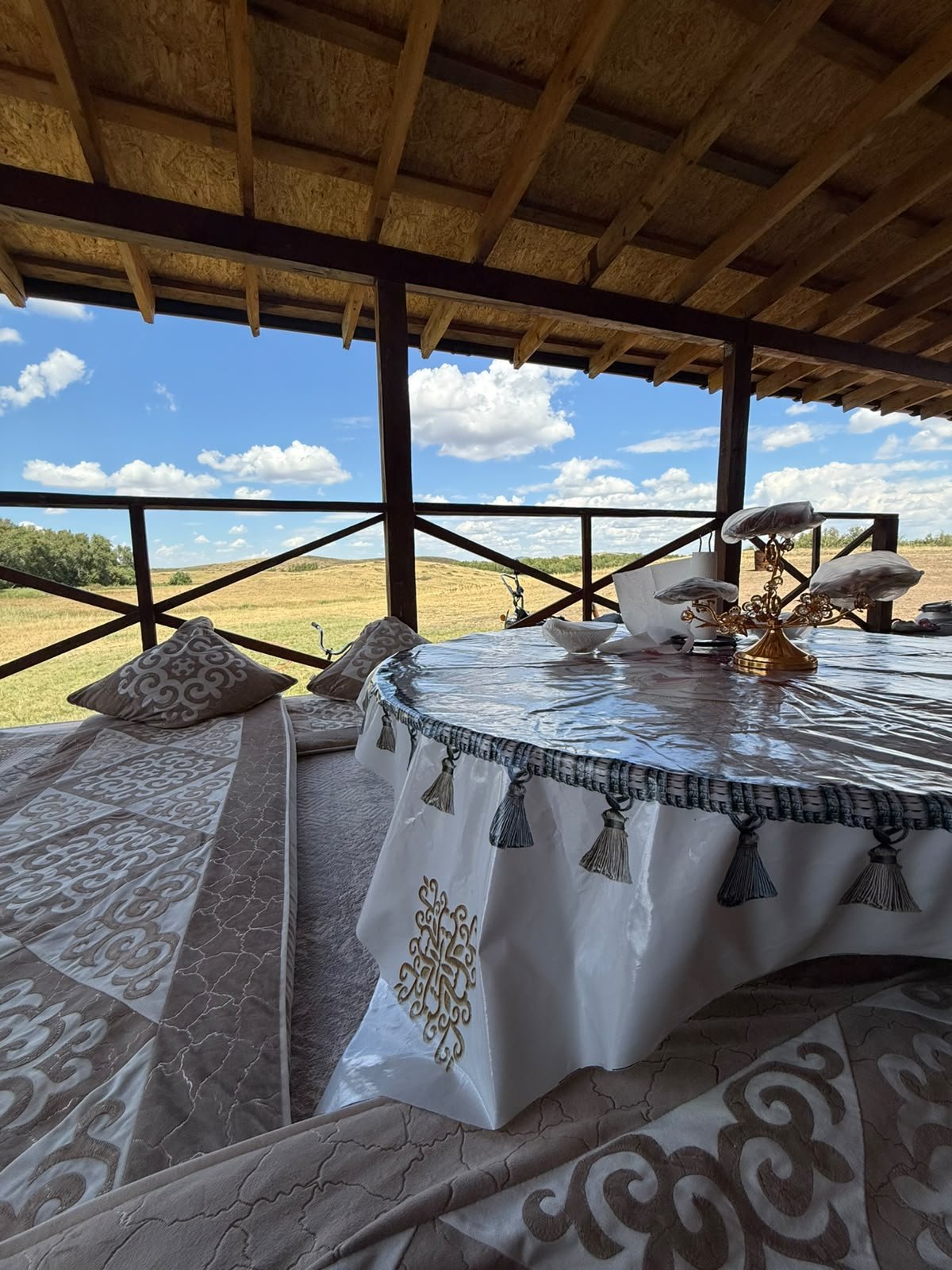
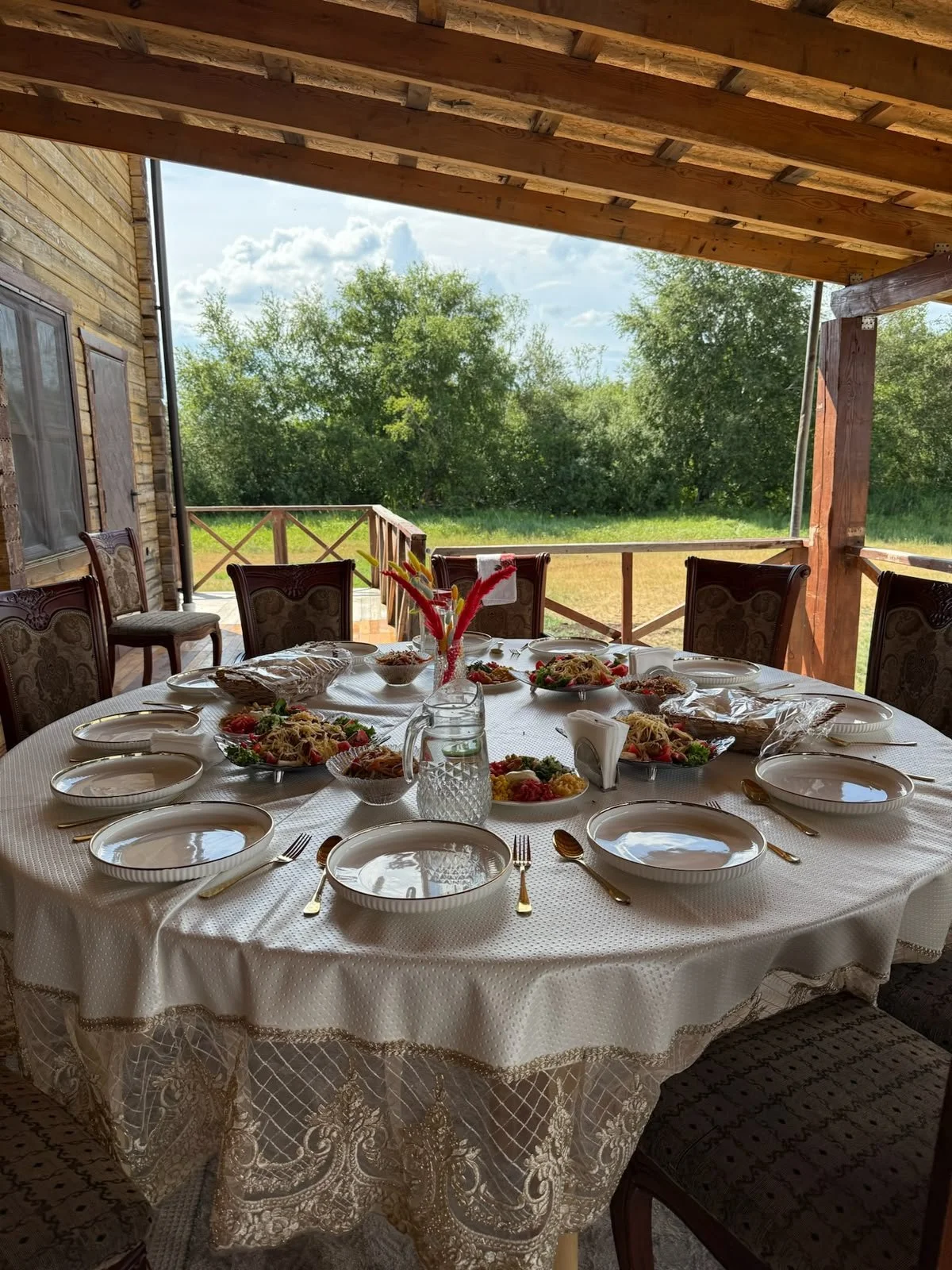
Dress in national costume for a traditional dastarkhan feast
Full support vehicle along the entire route for comfort and safety
Stay in a mix of hotel, guest house and remote overnight stops
OVERVIEW
RIDE GUIDE
Duration: 8 Days / 7 Nights / 7 Days Riding
Cost: US$2,400 sharing
Max Riders: 8
Arrival: Astana, Kazakhstan, pick up from airport is included at a set time.
Riding Level: Our rides are for experienced riders who are balanced on their horses and in control galloping in open spaces. Ideally you are a life-long rider that has owned your own horse. We look for a minimum of 10+ years riding experience.
Weight Limit: Maximum of 85kg/187lbs. As horses in Central Asia are typically smaller please contact us directly if you are over this weight limit. There are a small number of larger horses for larger riders.
Time in the saddle: 2 to 8 hours a day
HORSES
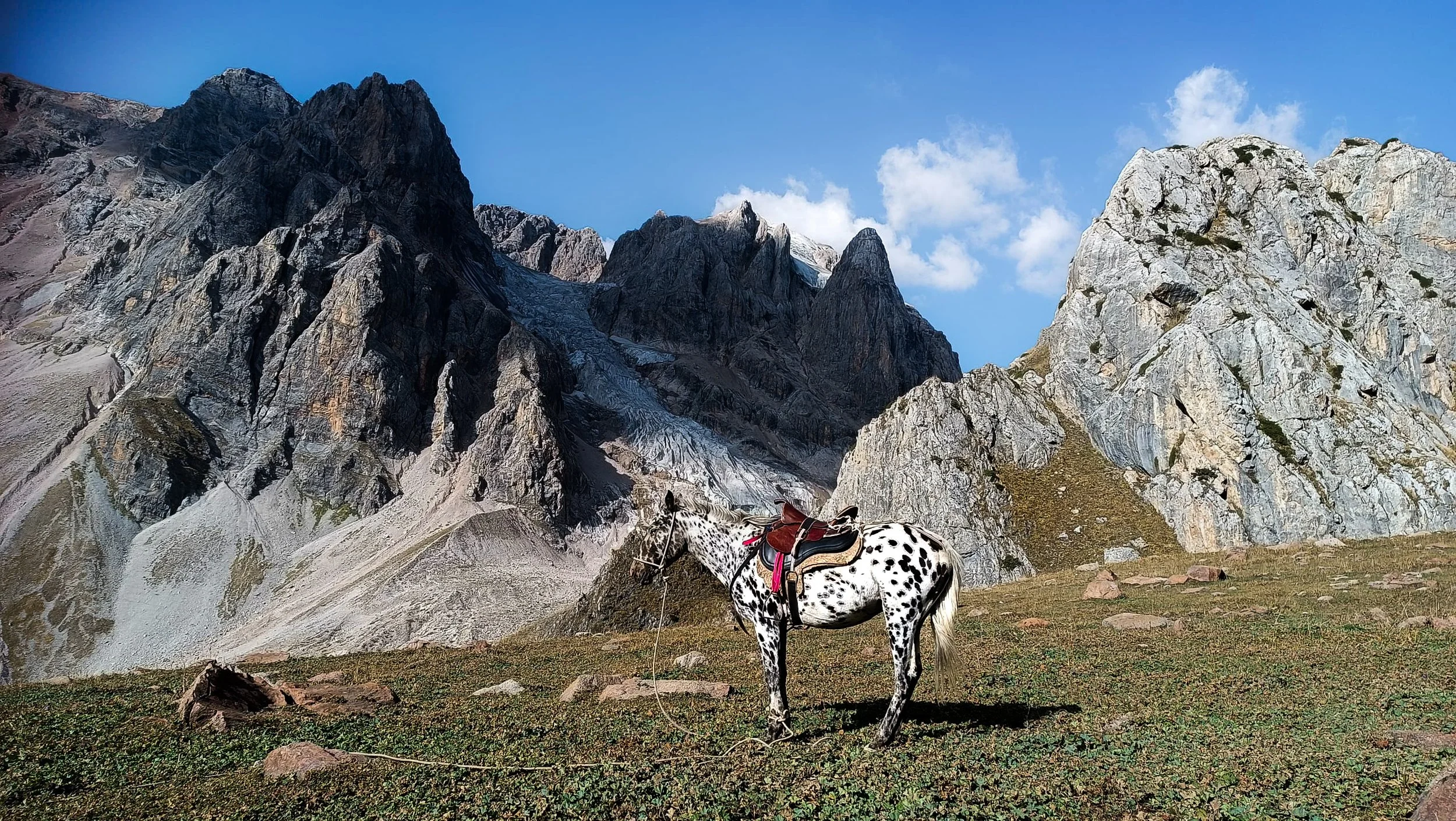
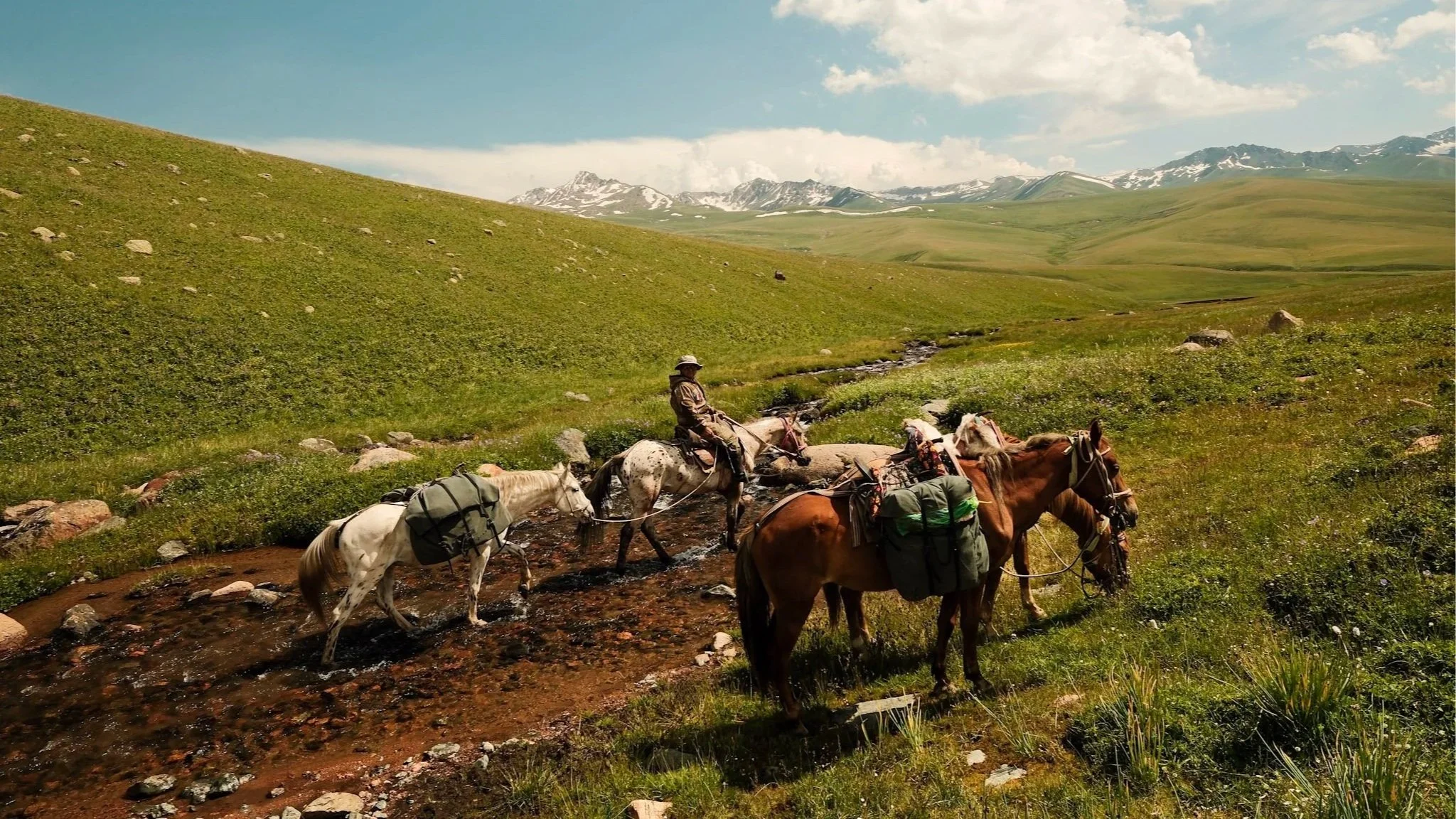
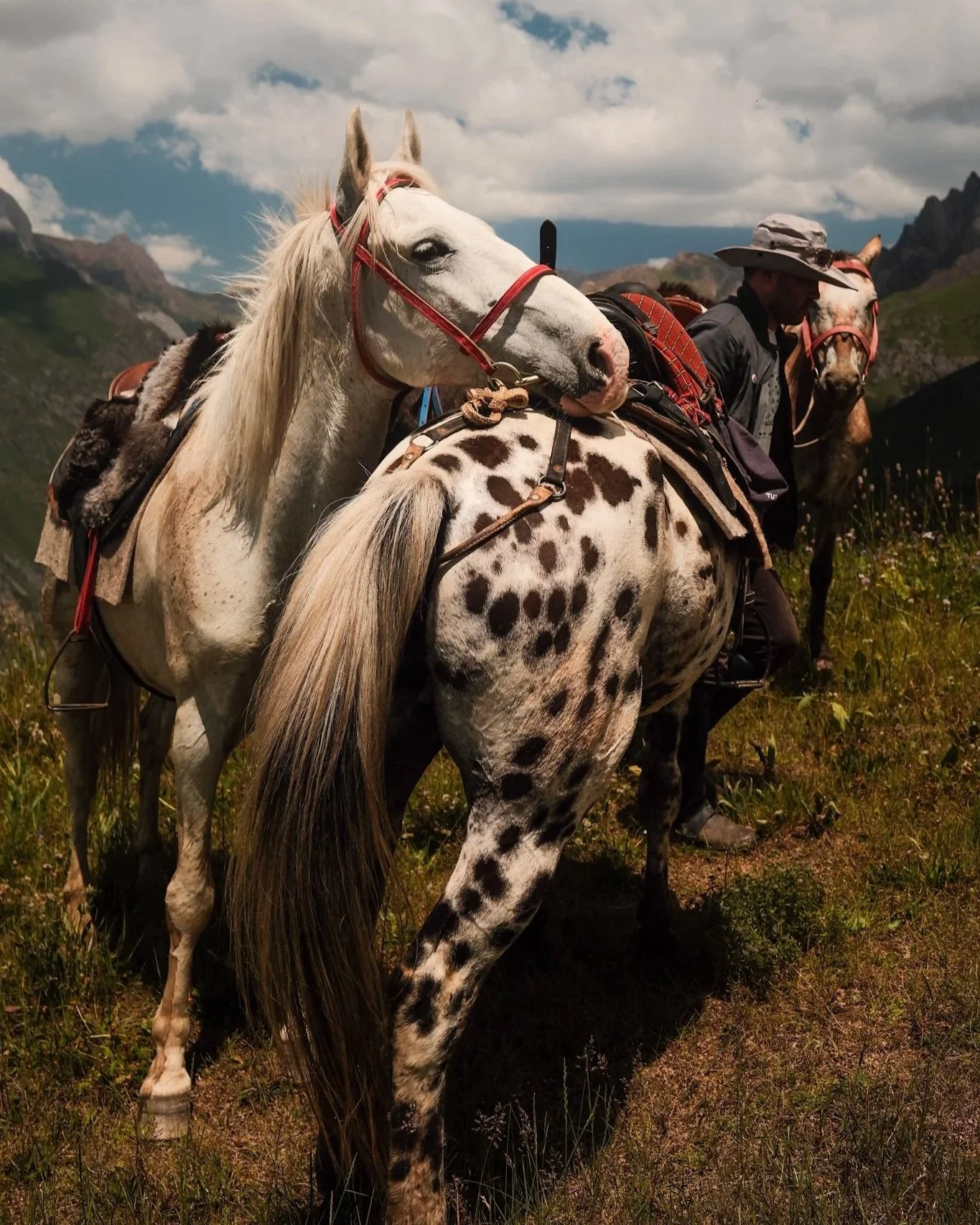
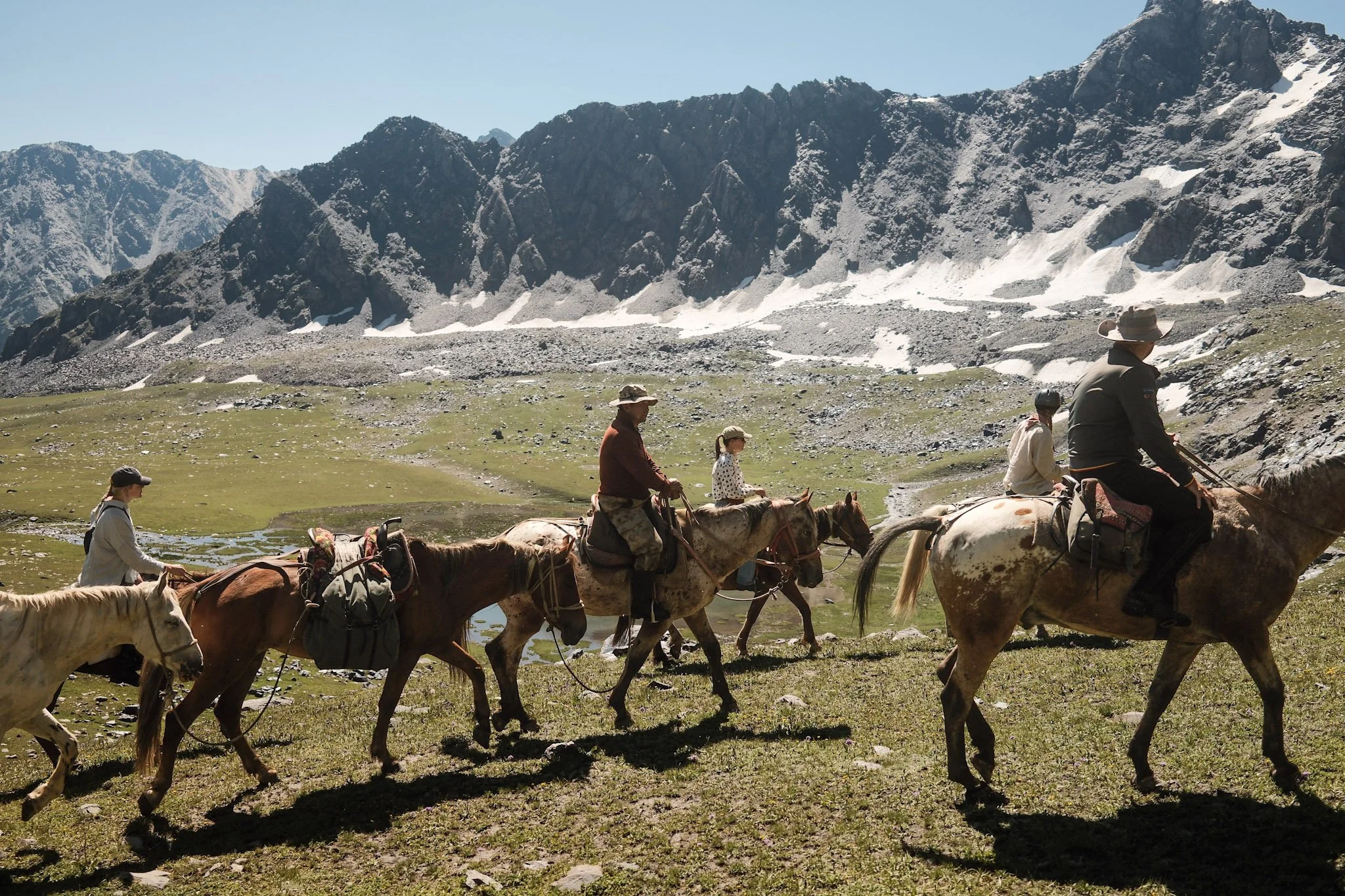
Horses in Central Asia are typically smaller and perfectly adapted for the high altitude. The horses are forward, safe, with an active walk and well adapted to trail riding.
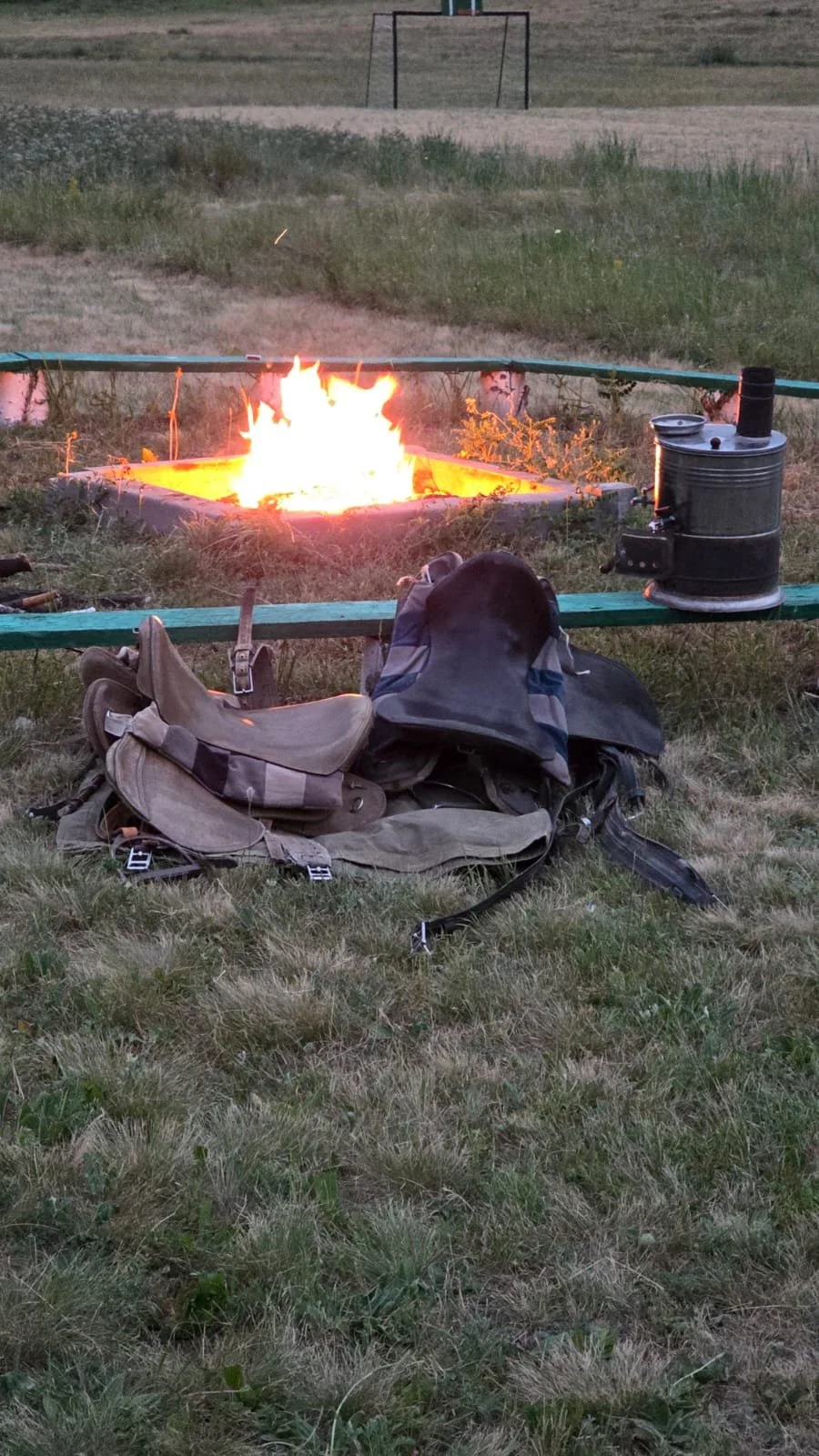
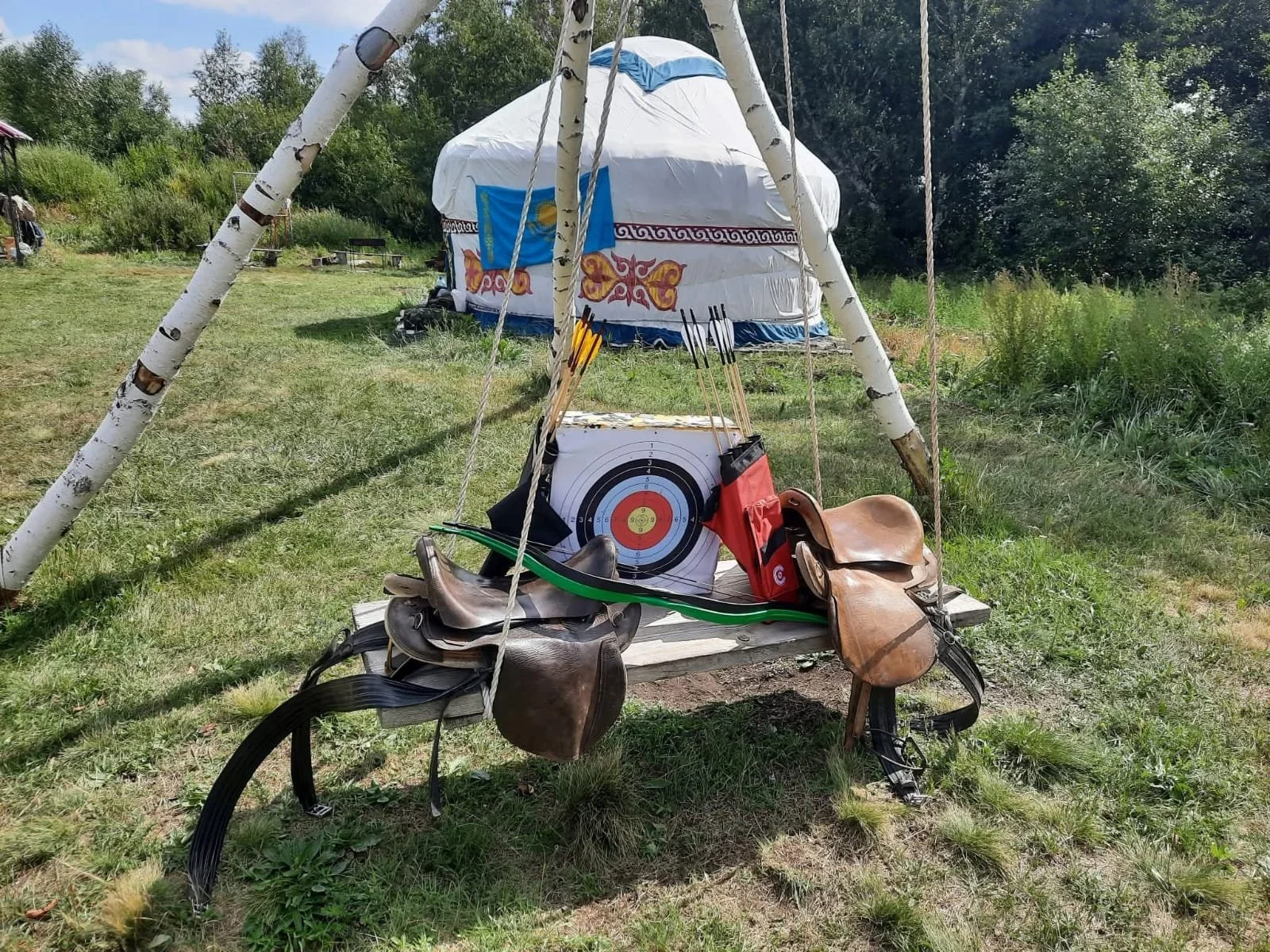
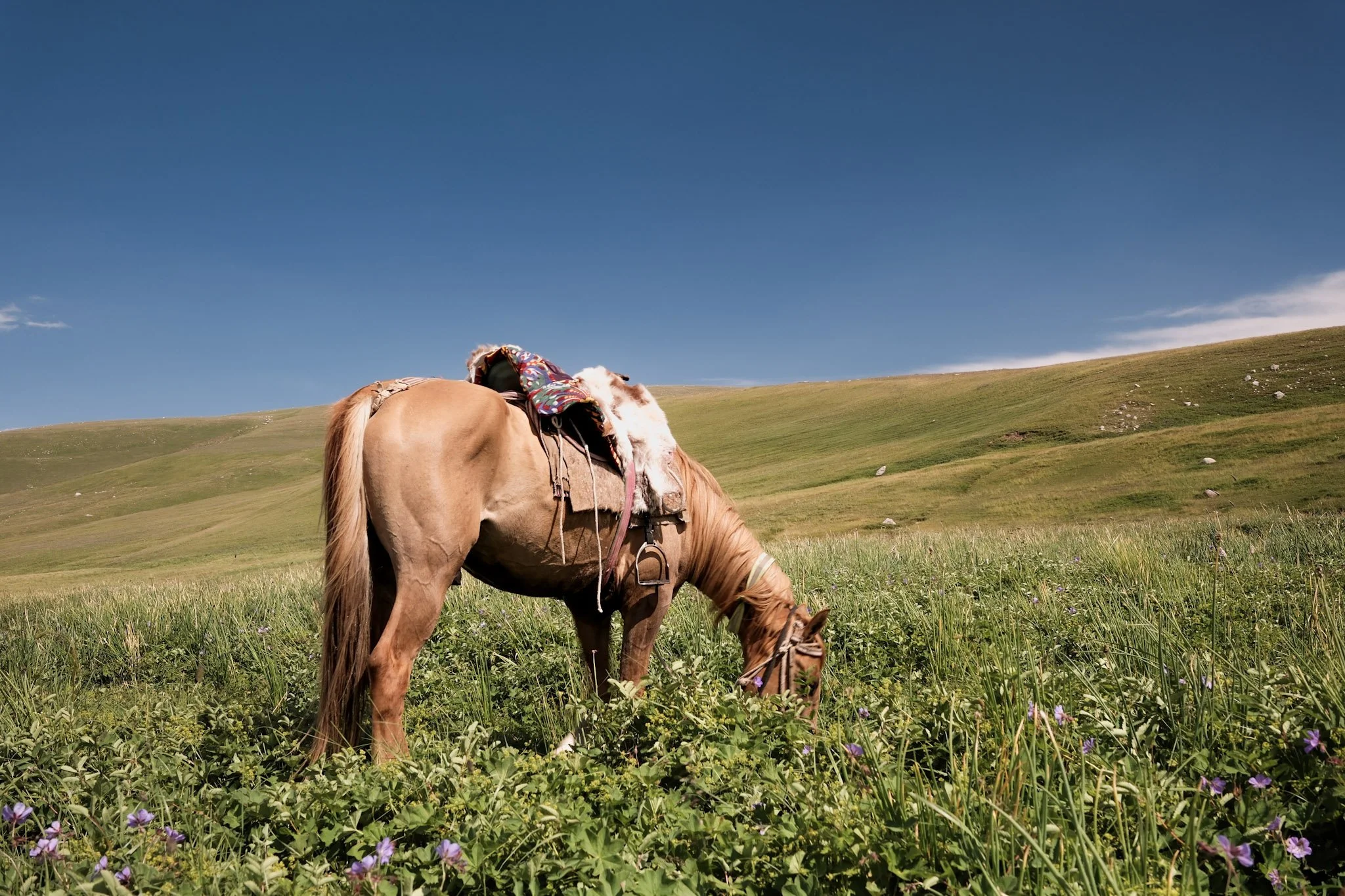
Tack is a lower quality that what we are used to in the west but very comfortable. A metal or wooden saddle tree is balanced on layers of thick felt saddle pads and covered with a cushion for comfort. Bridles are simple canvas or leather and bits sit loose in the horses mouth.
ACCOMMODATION
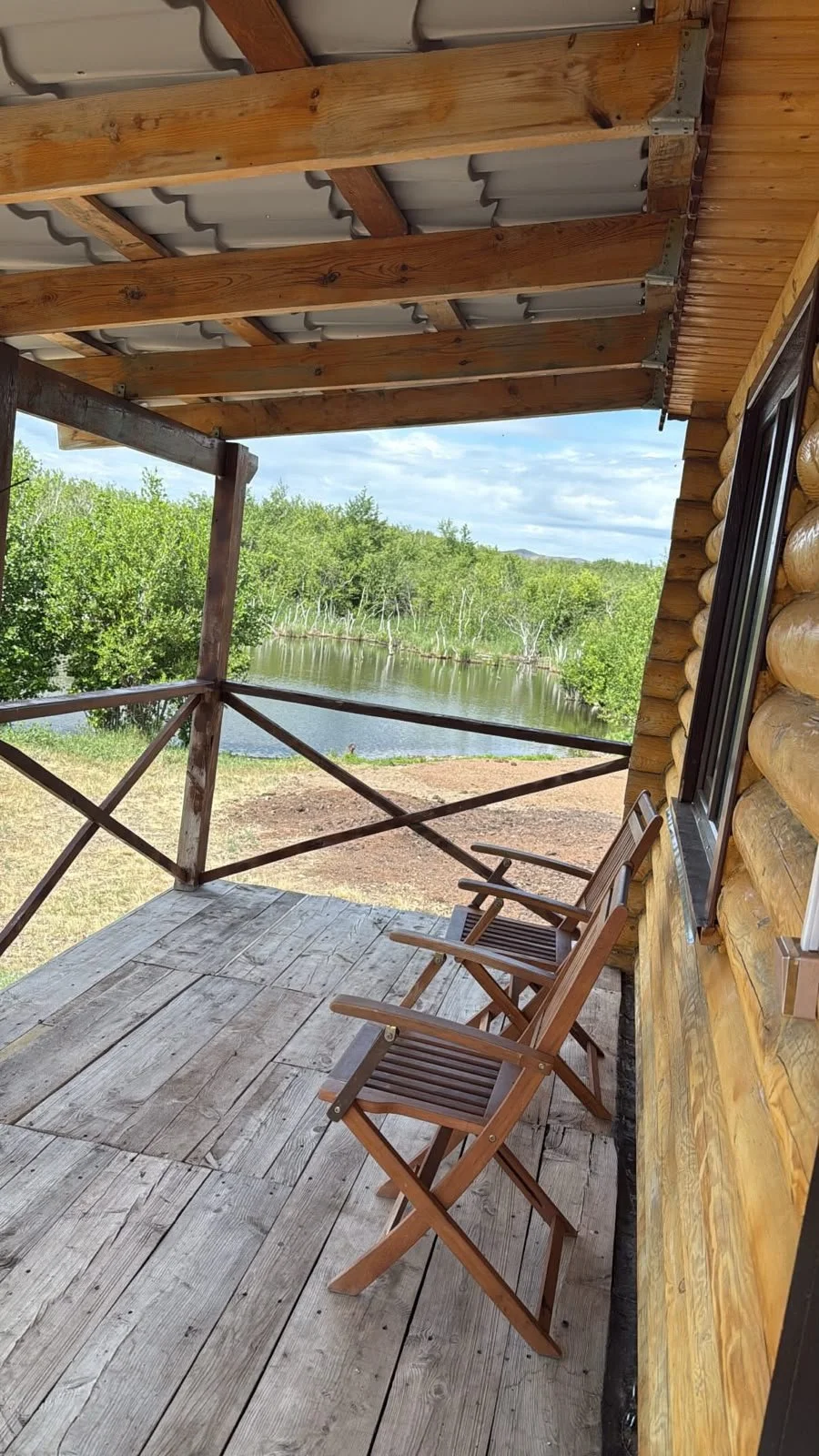
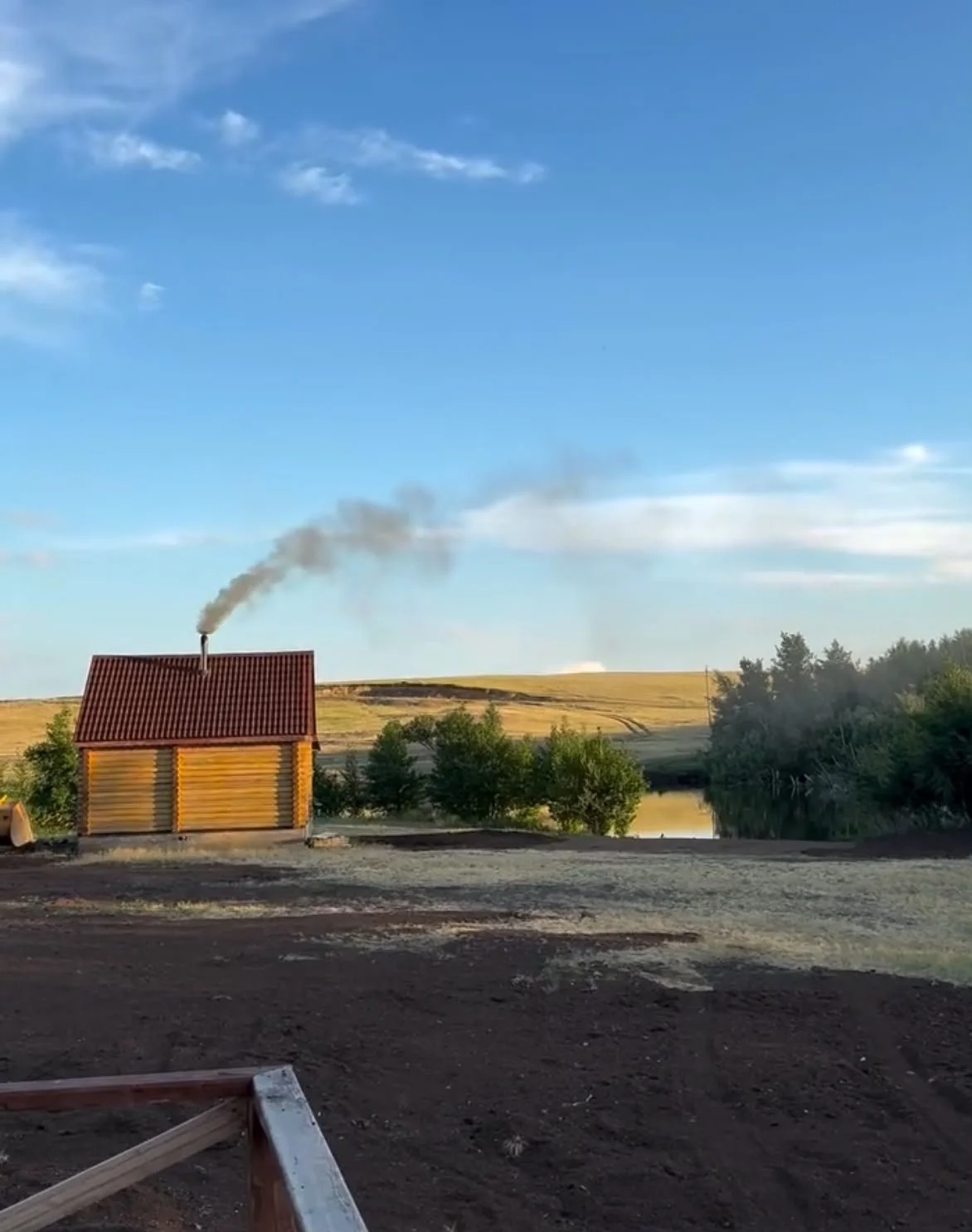
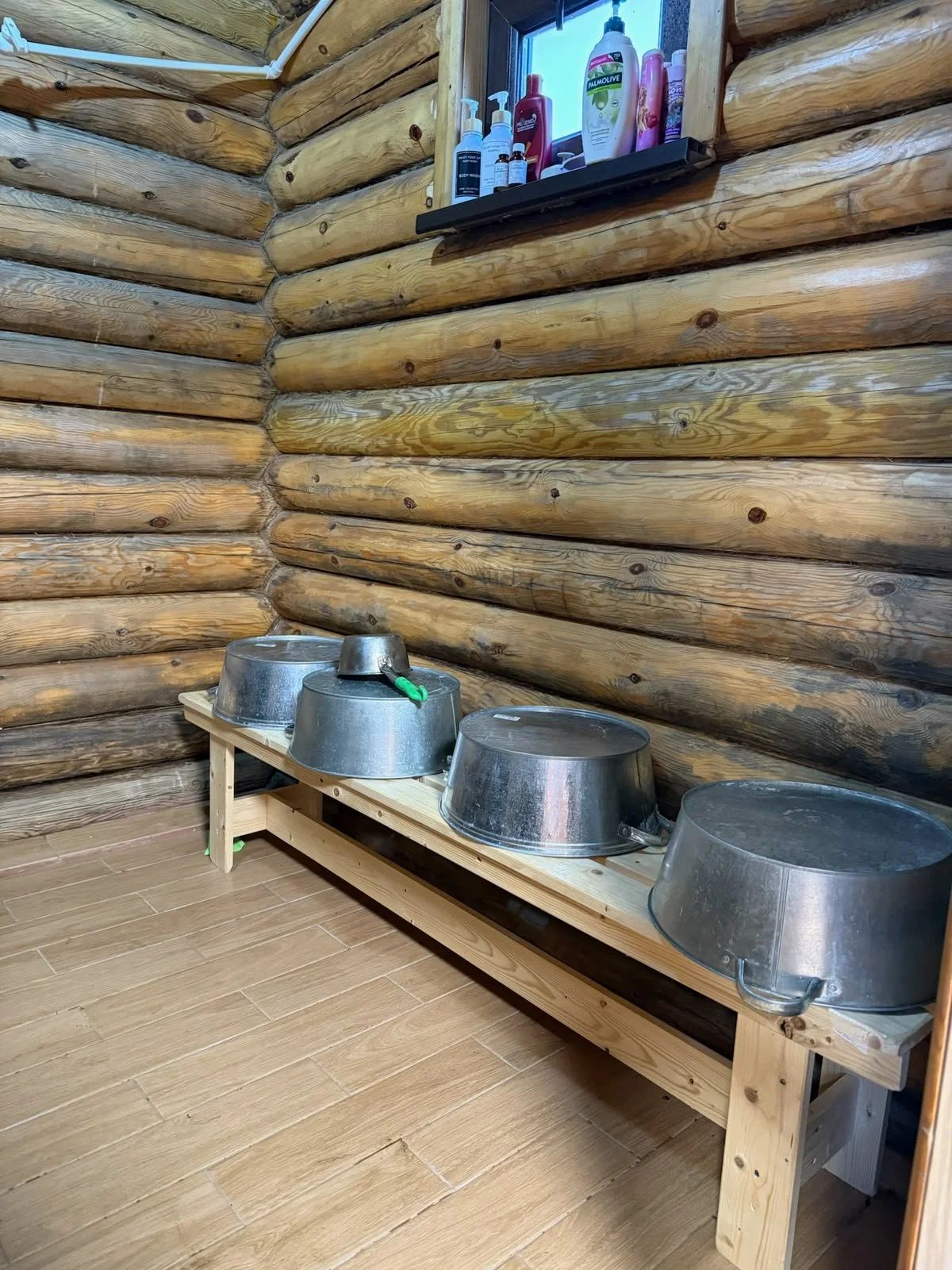
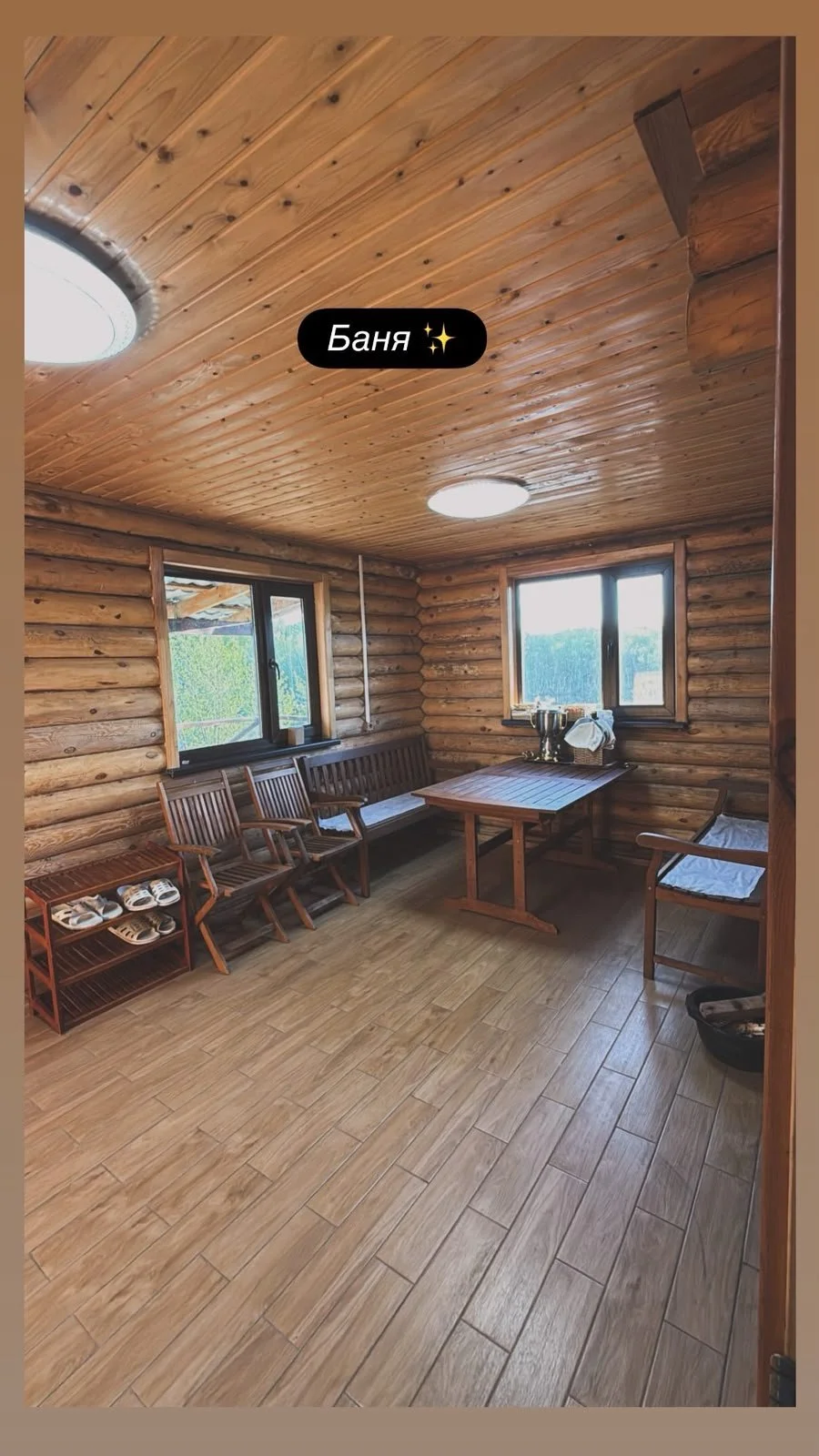
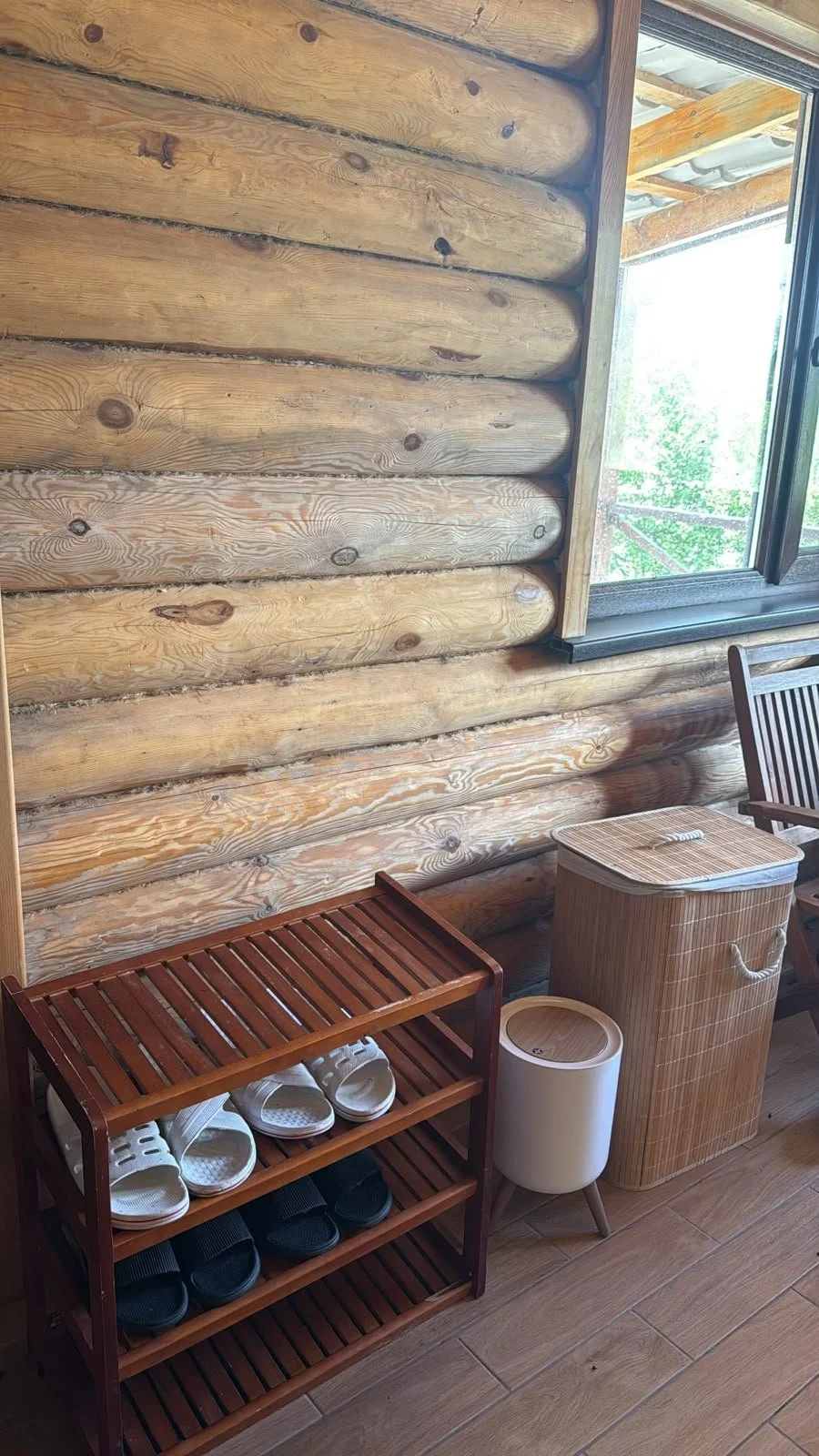
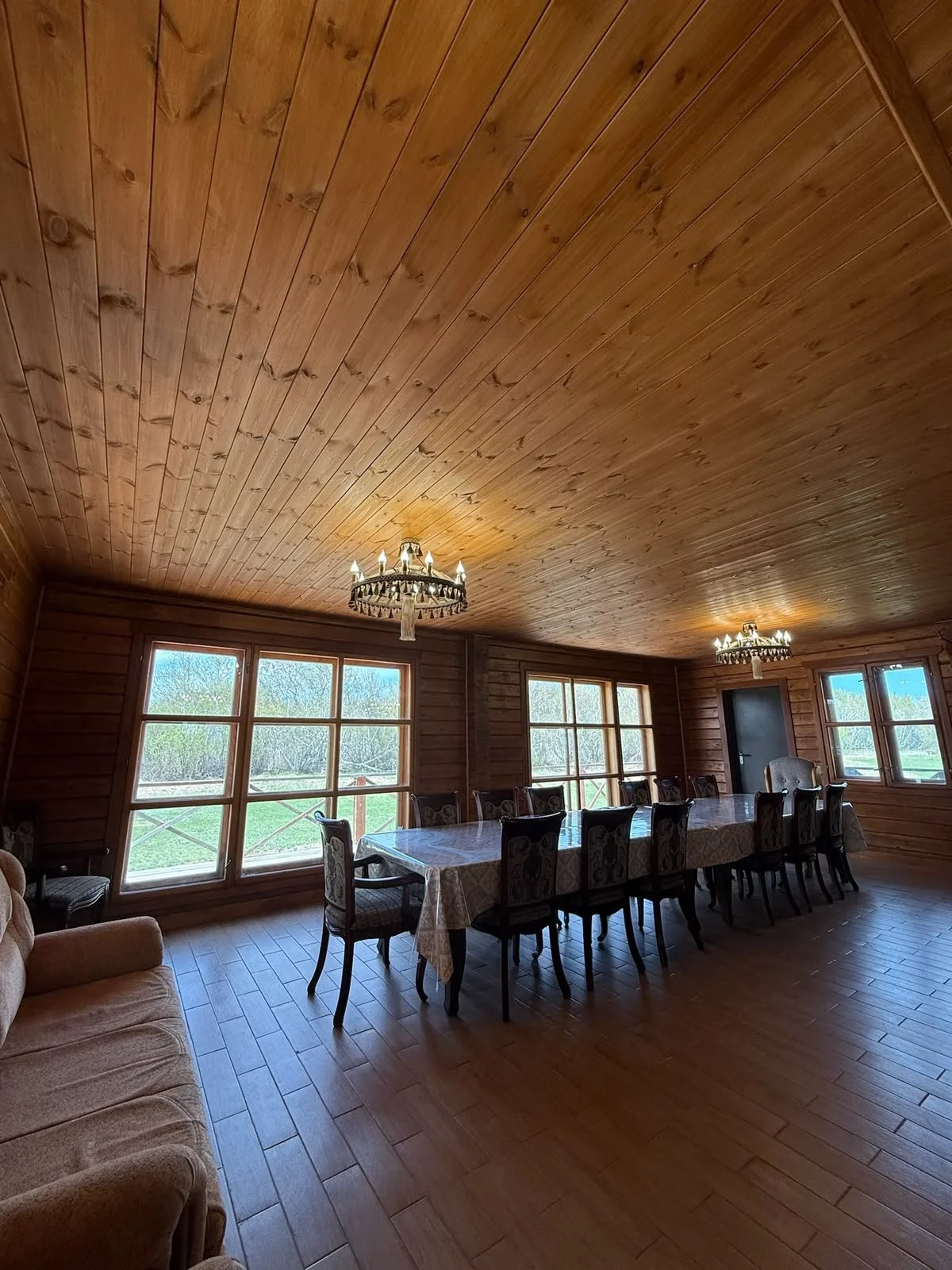
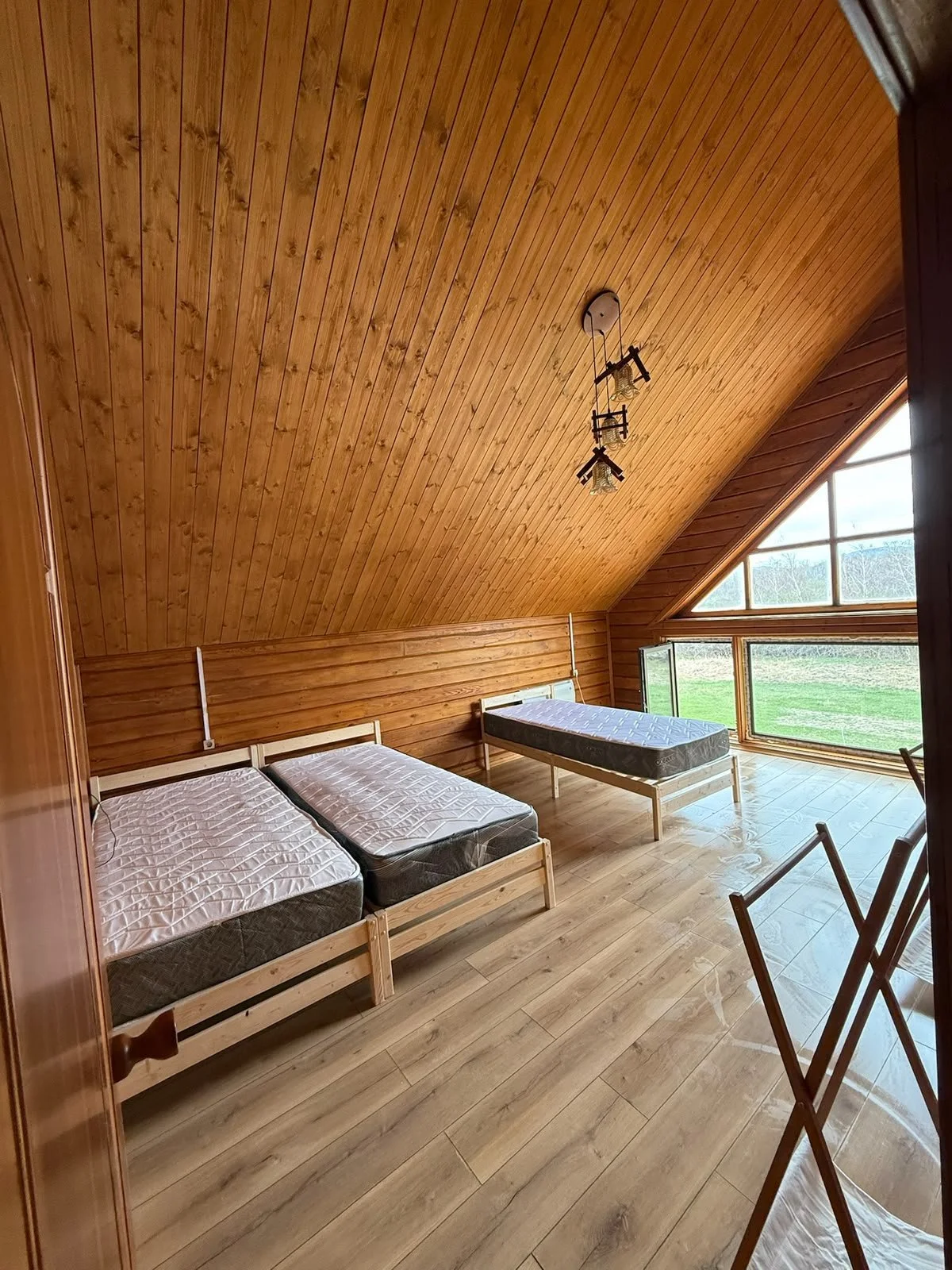
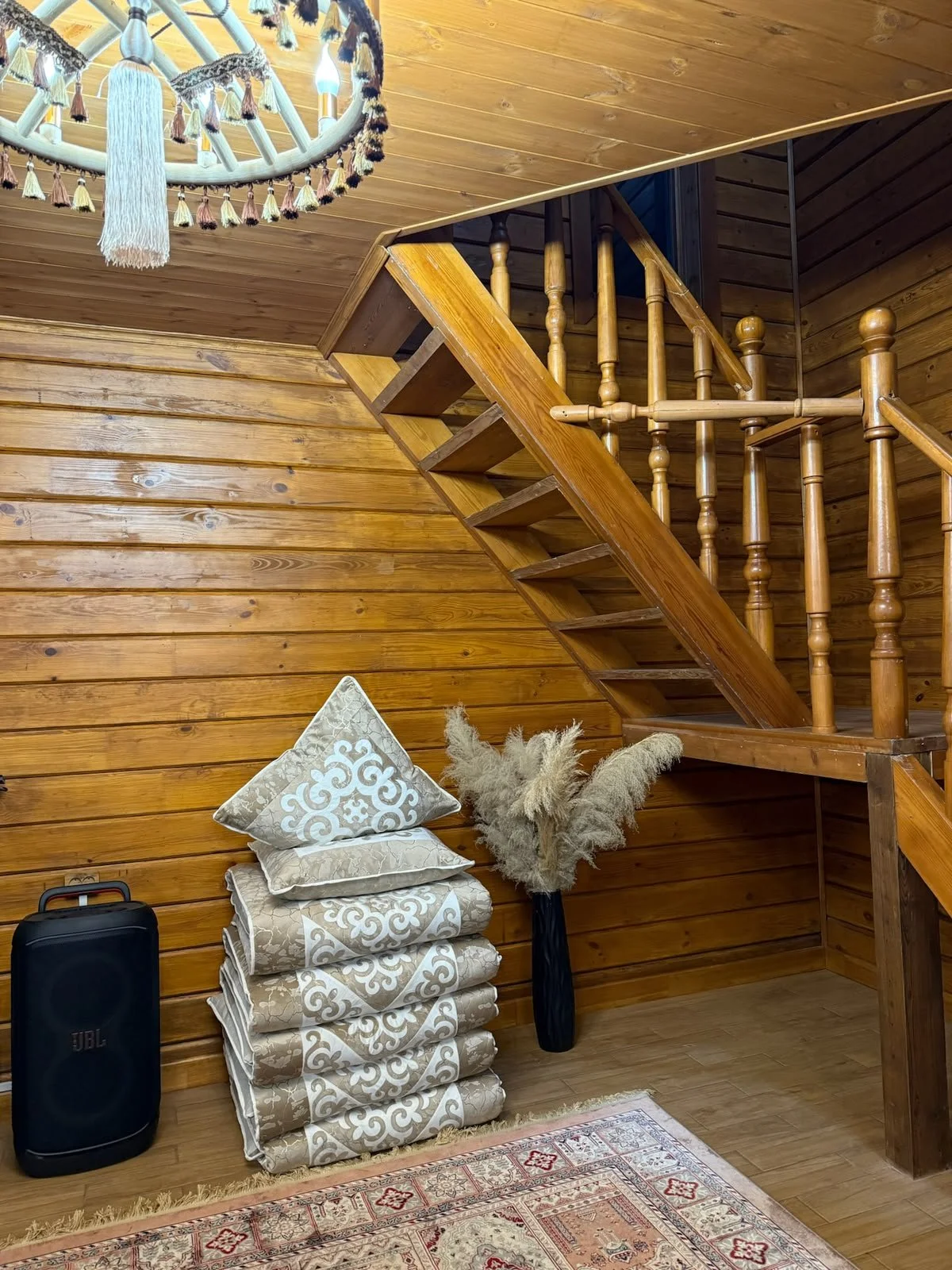
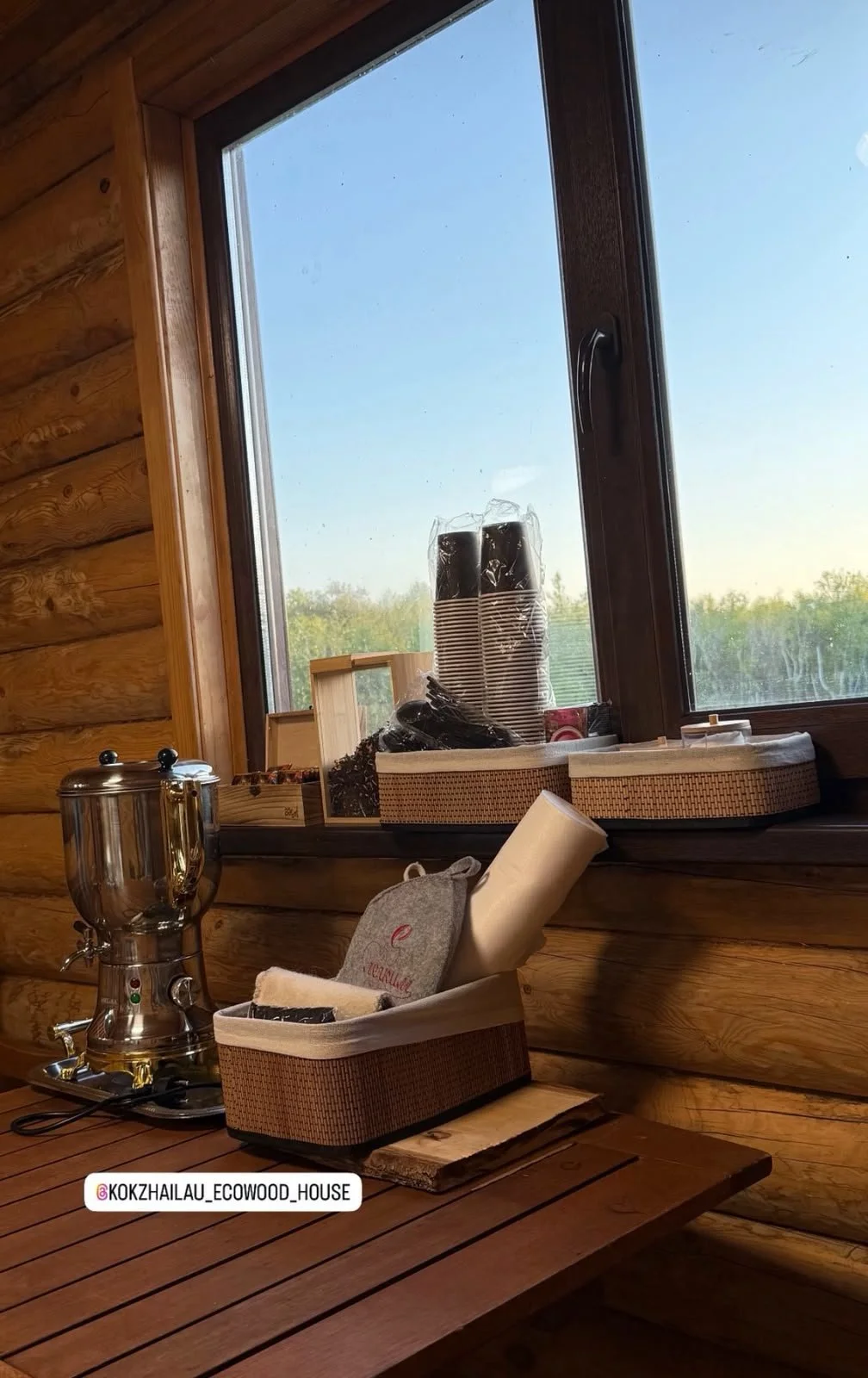
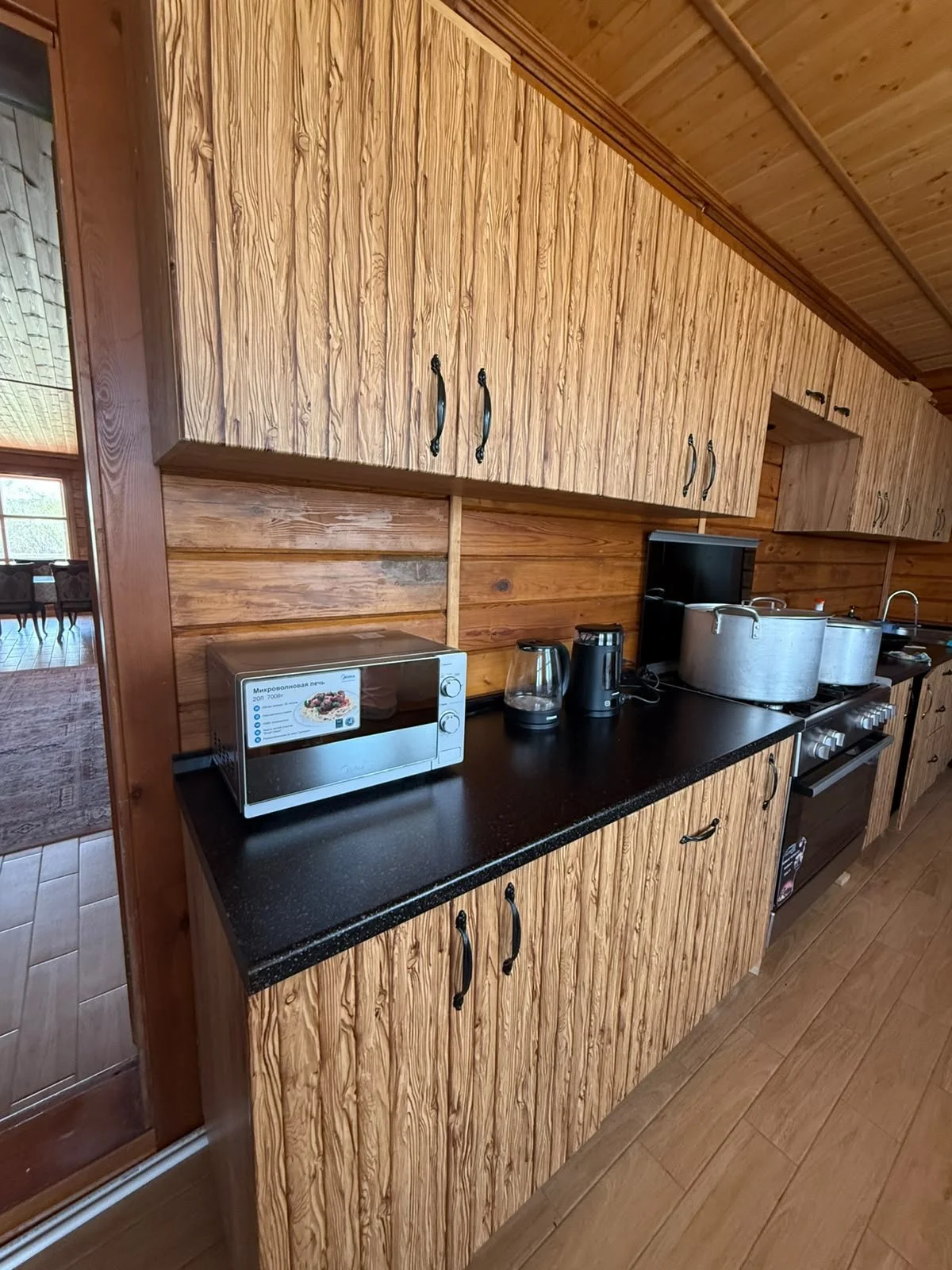
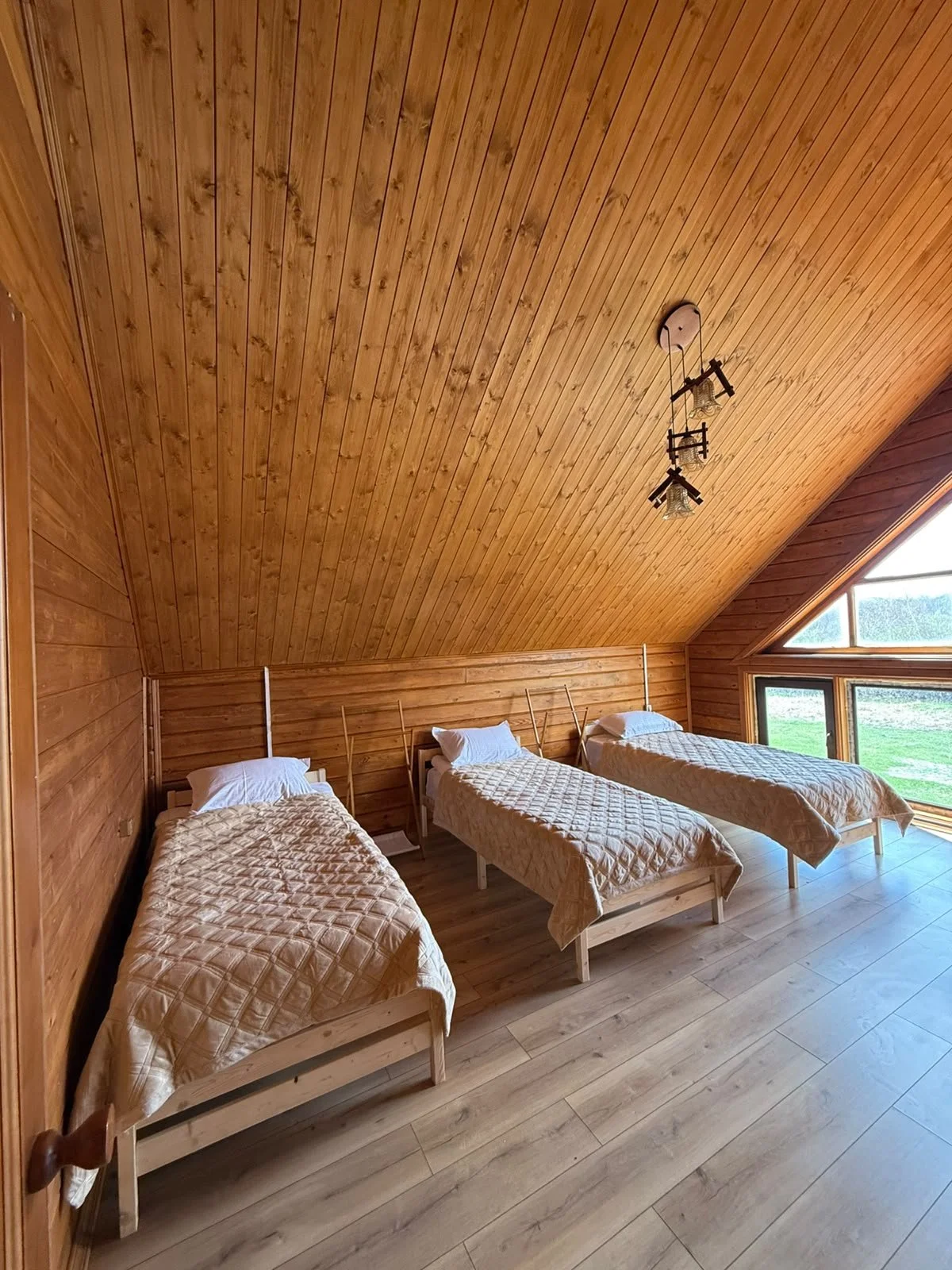
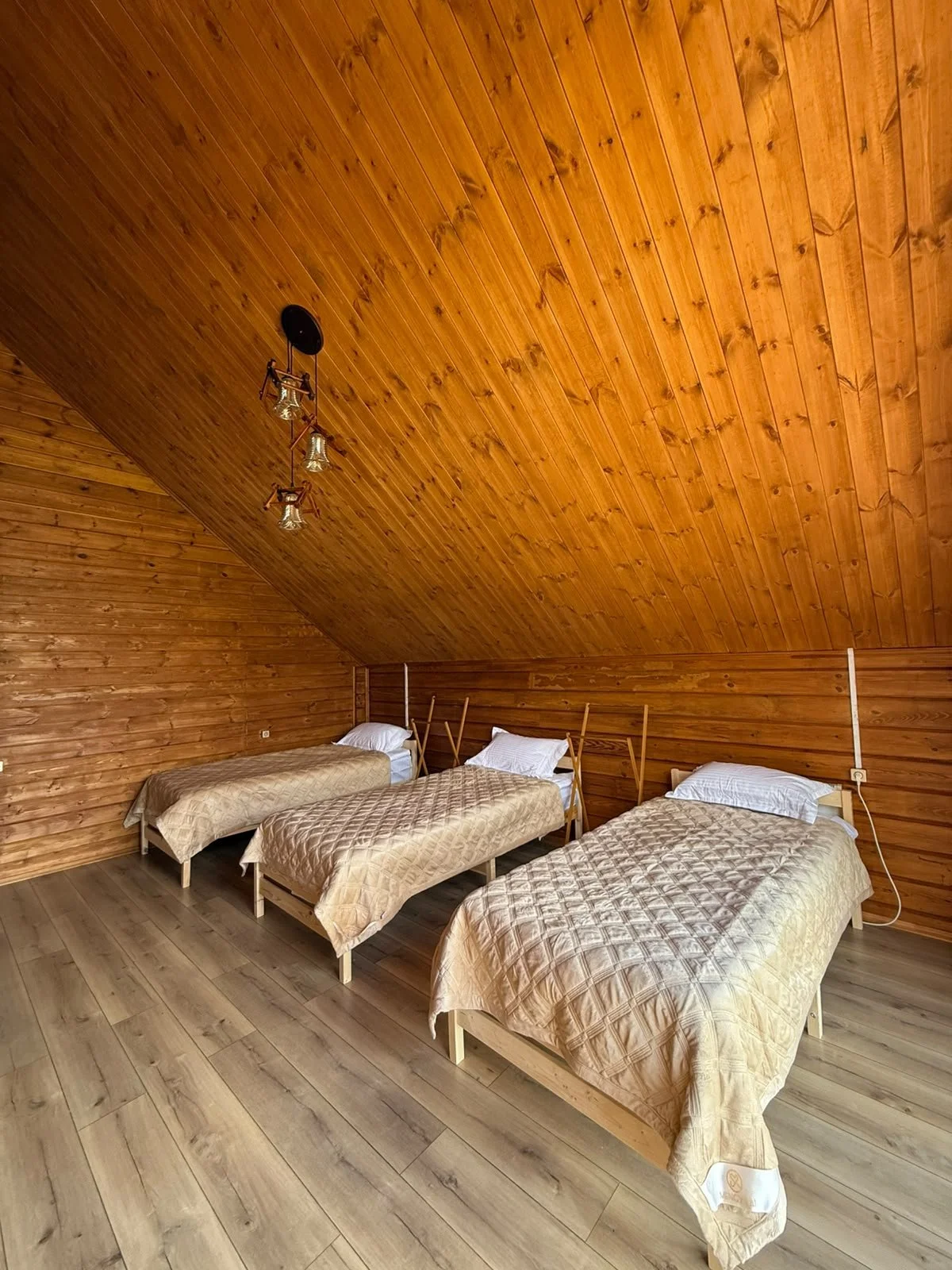
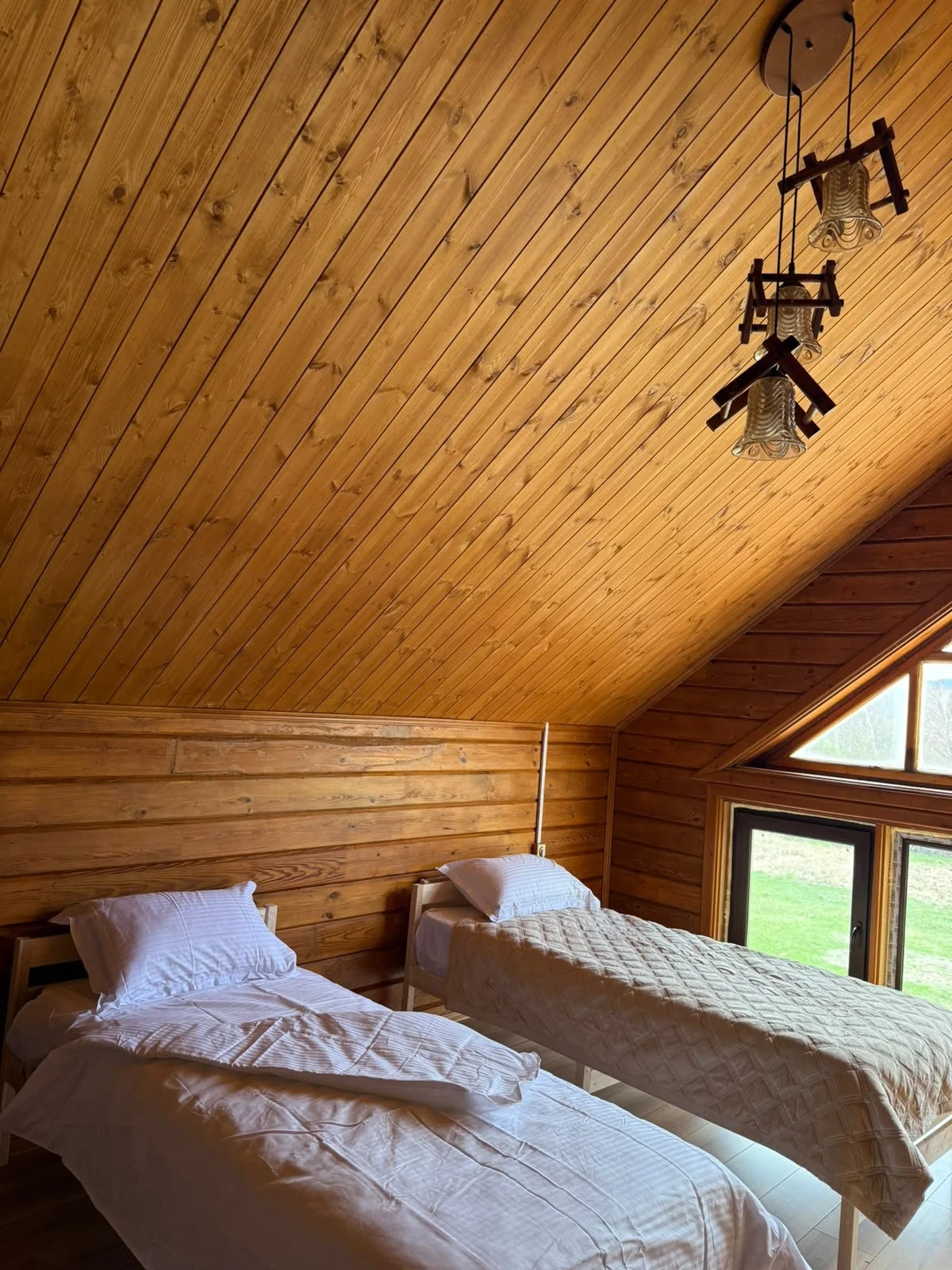
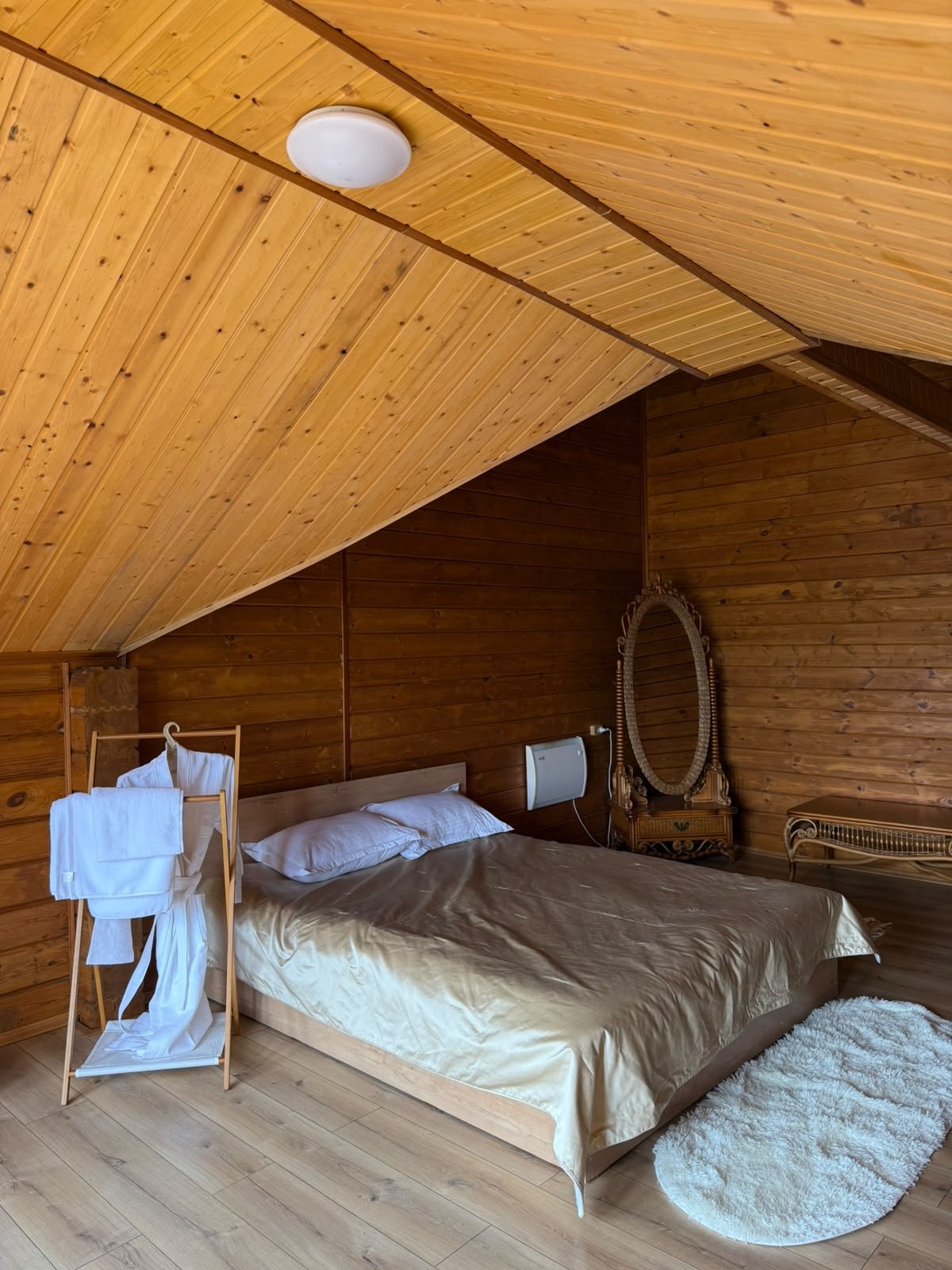
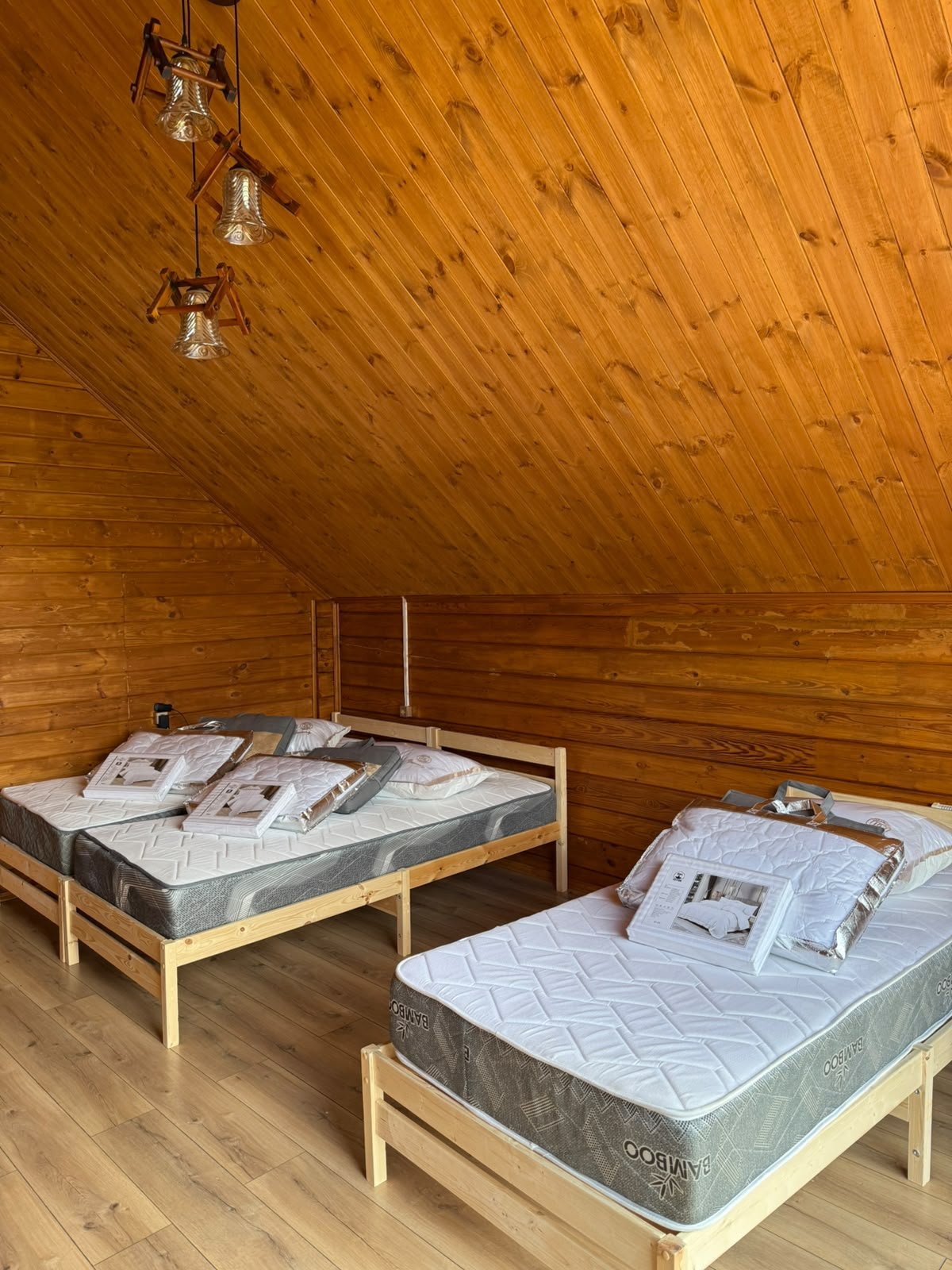
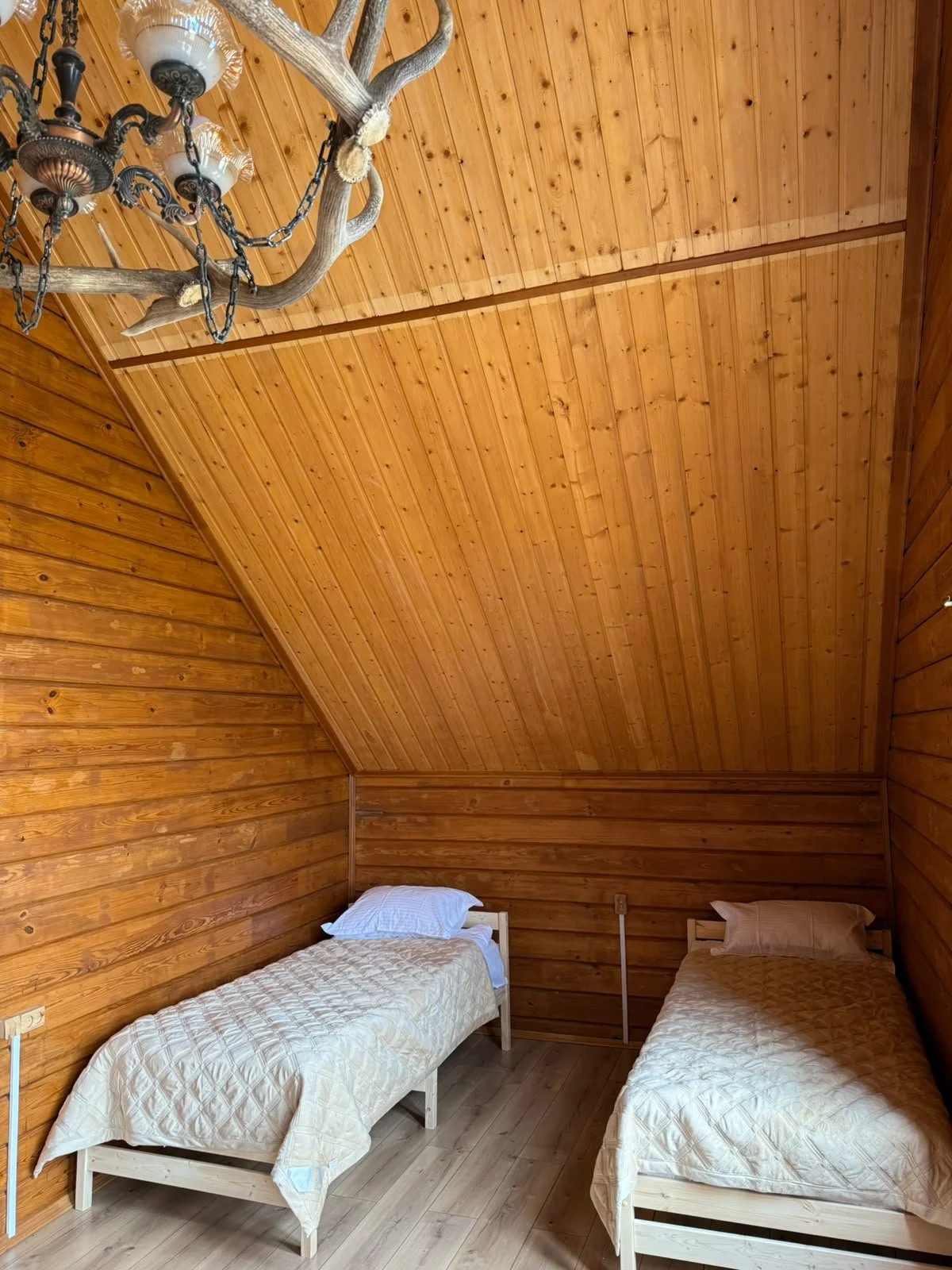
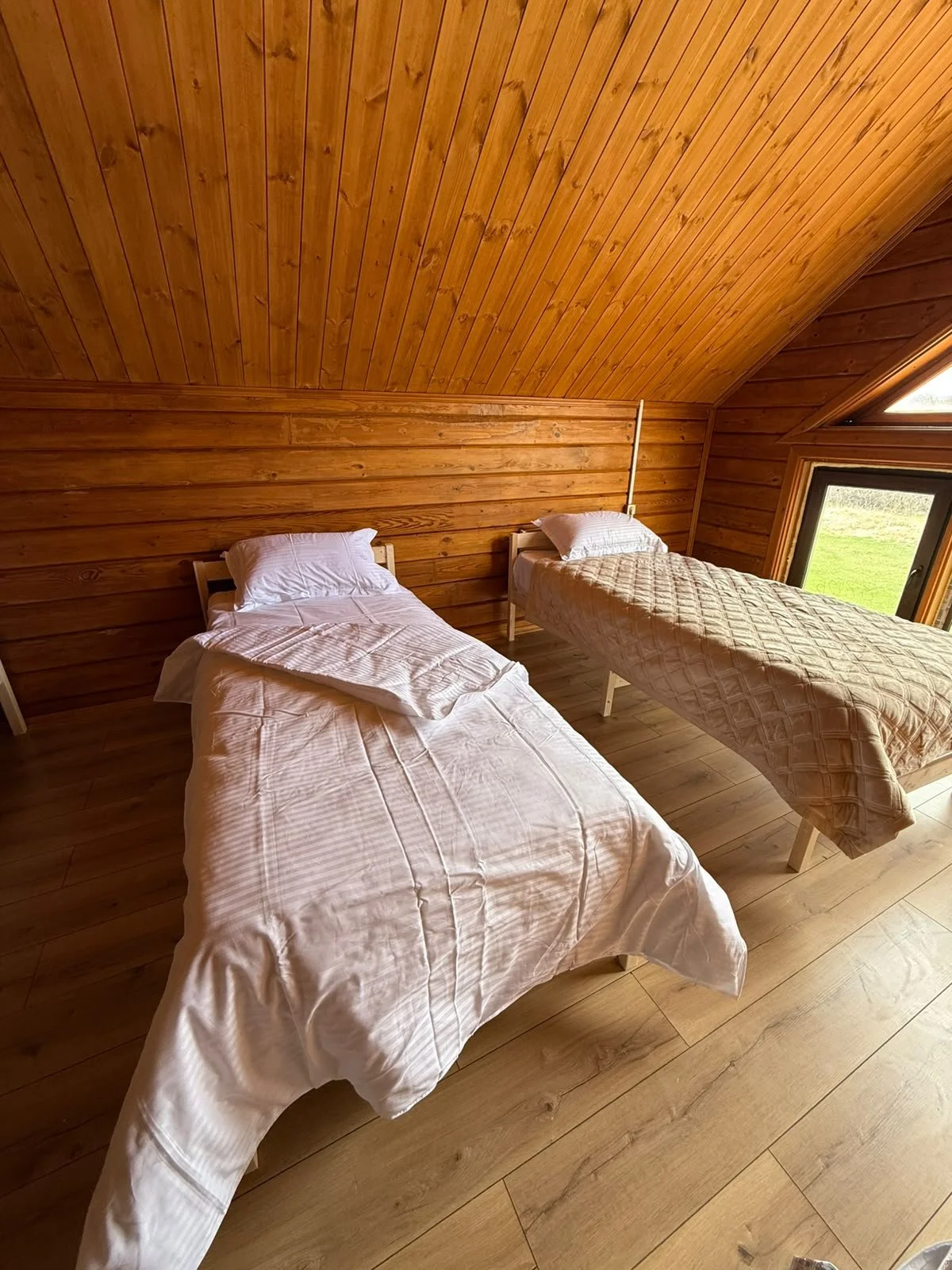
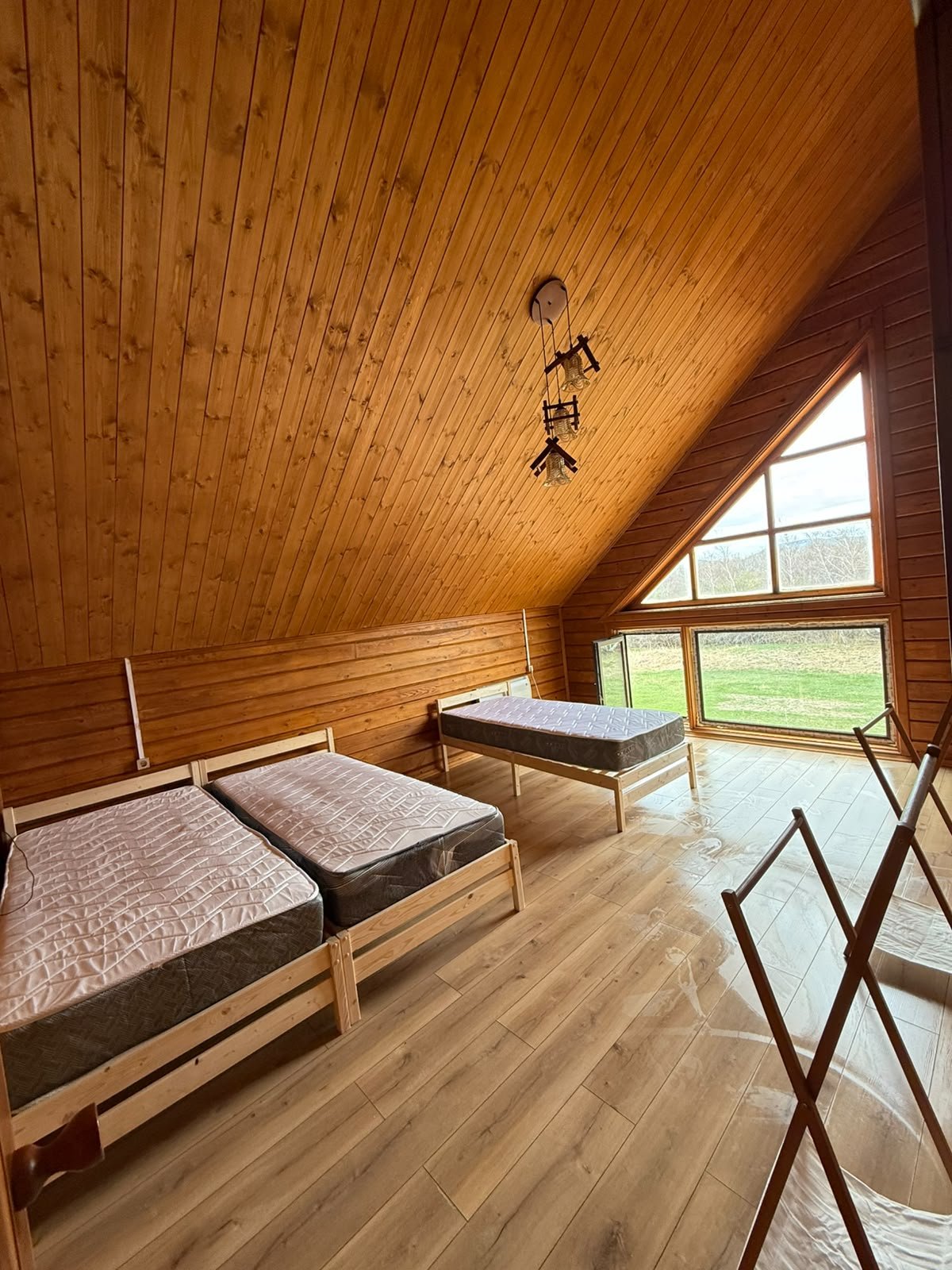
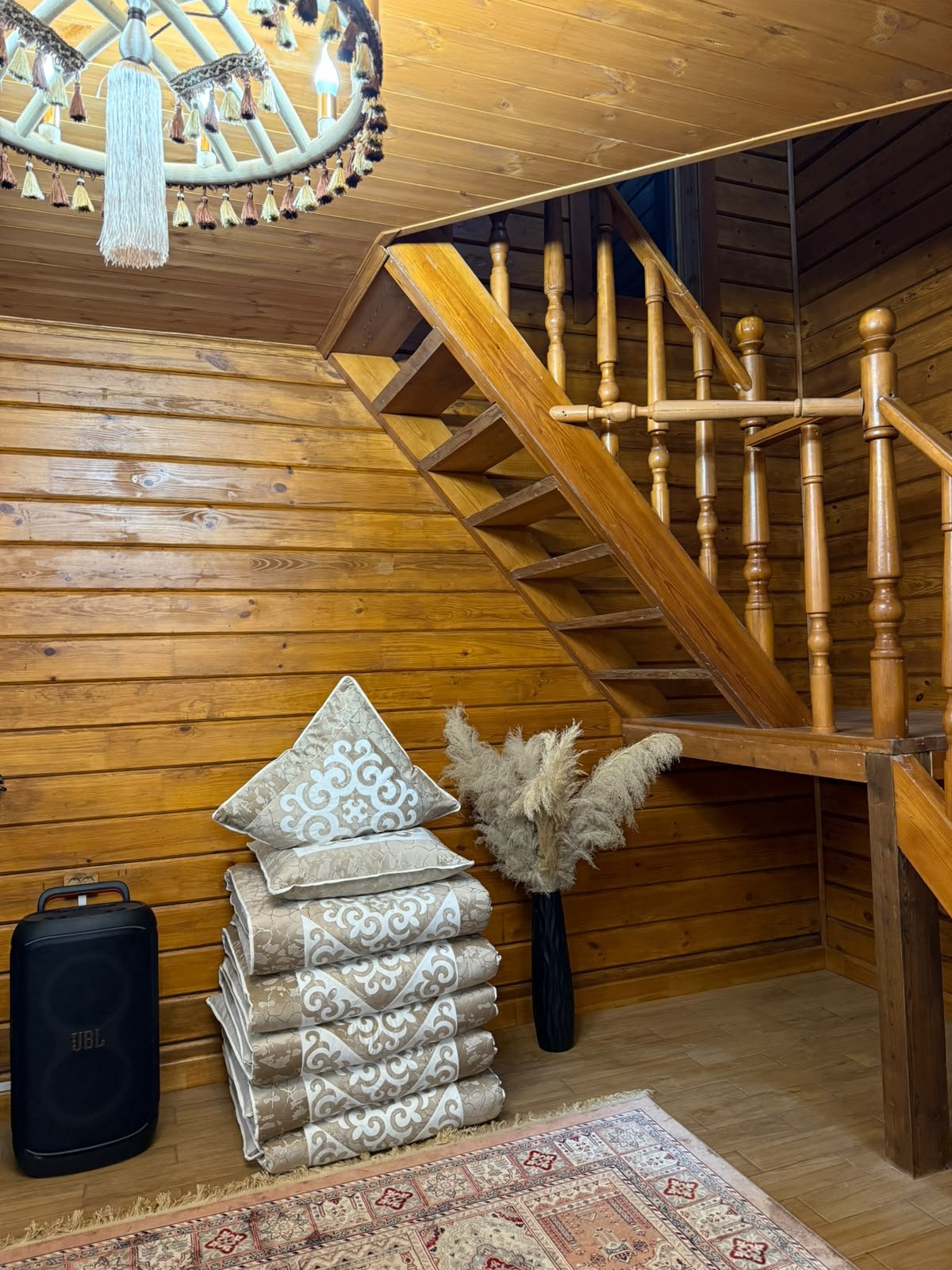
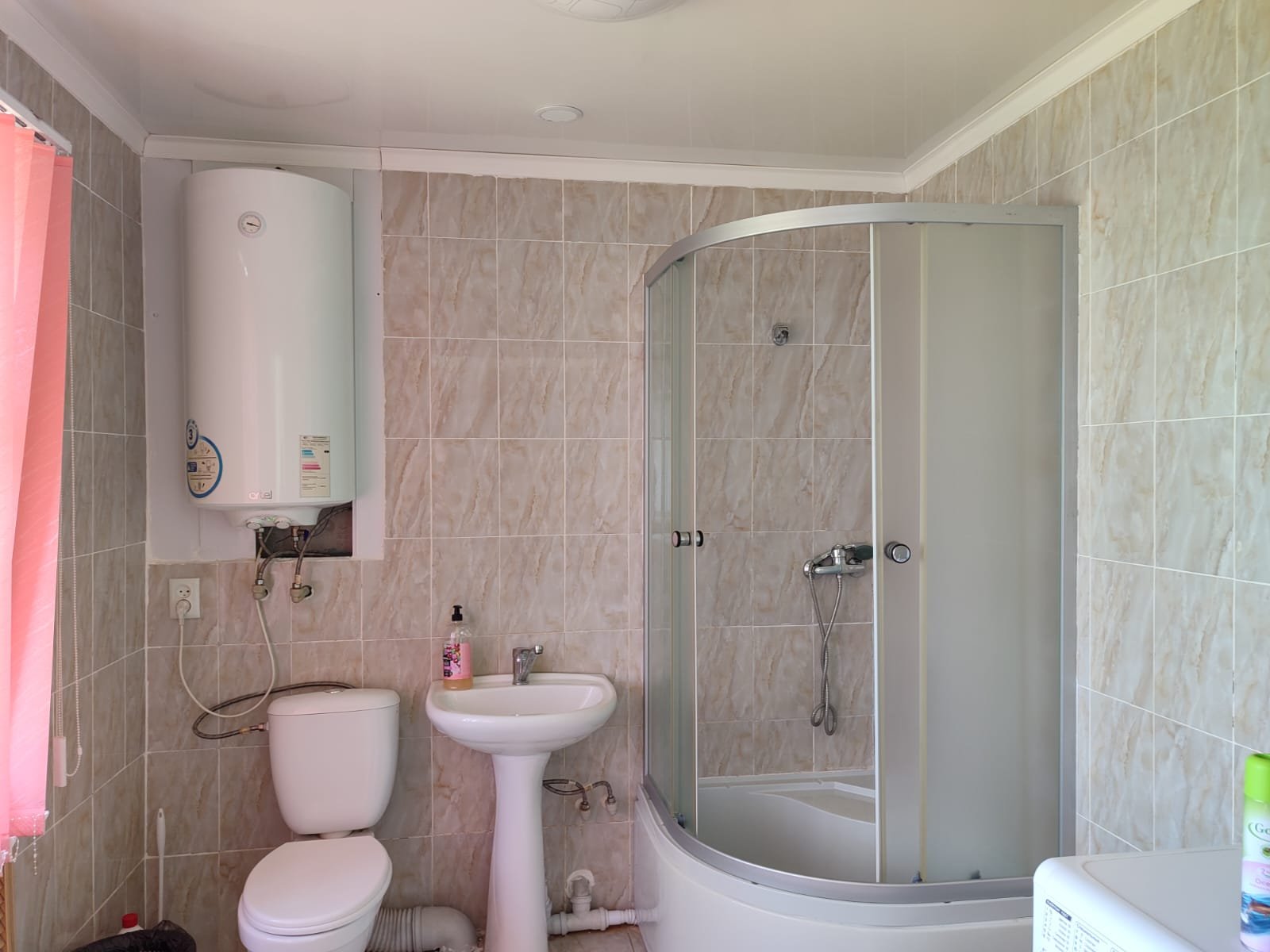
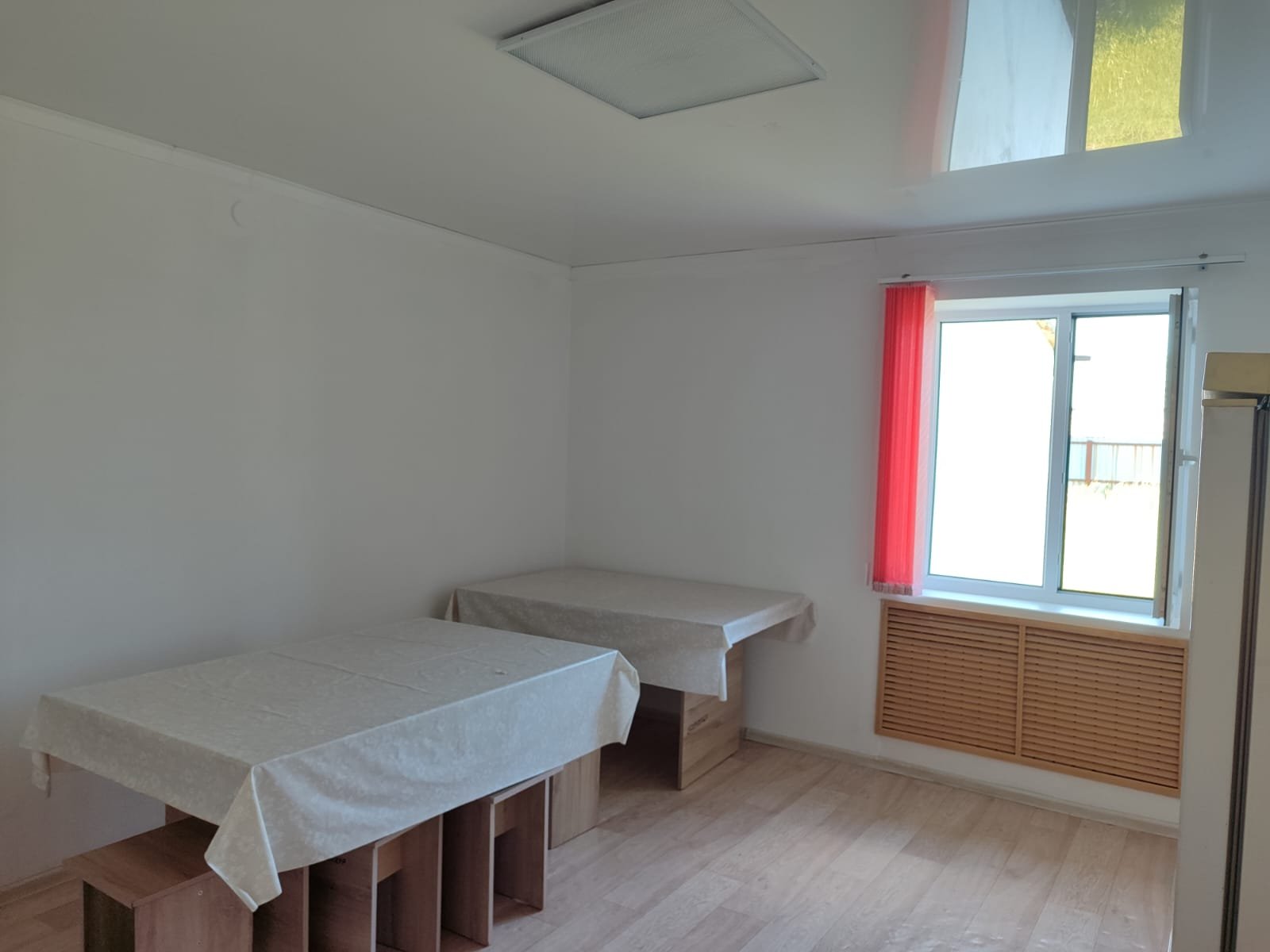
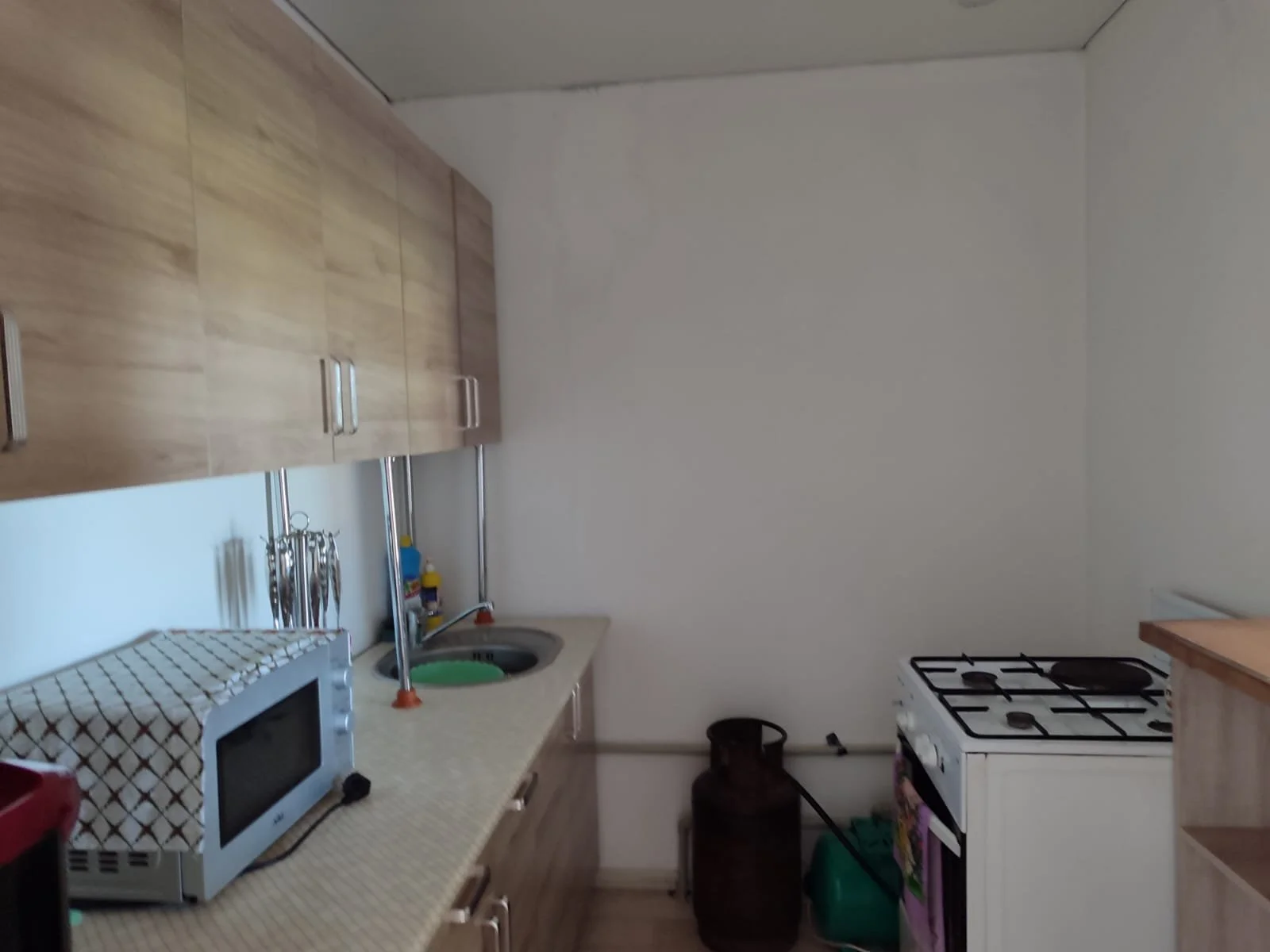
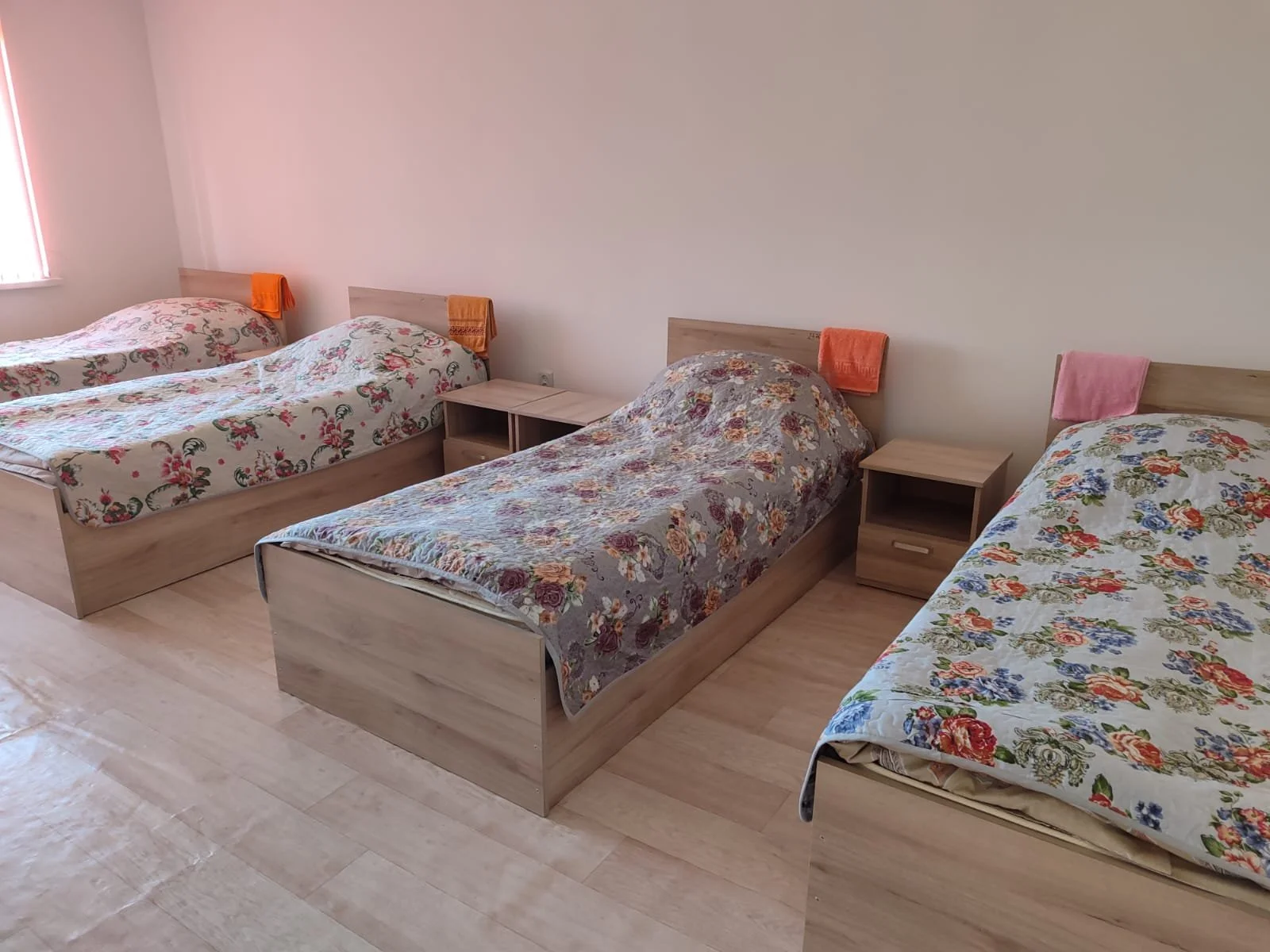
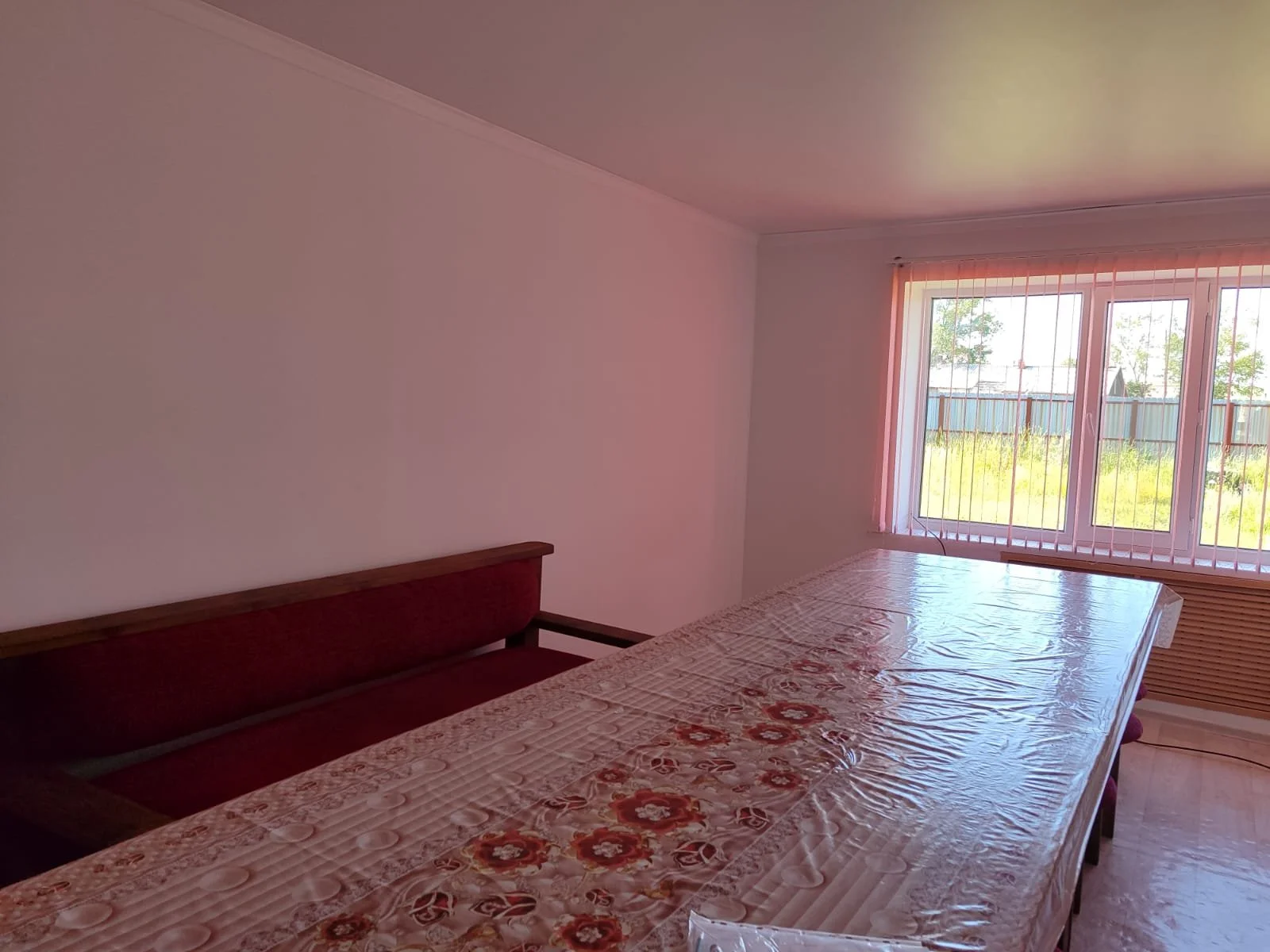
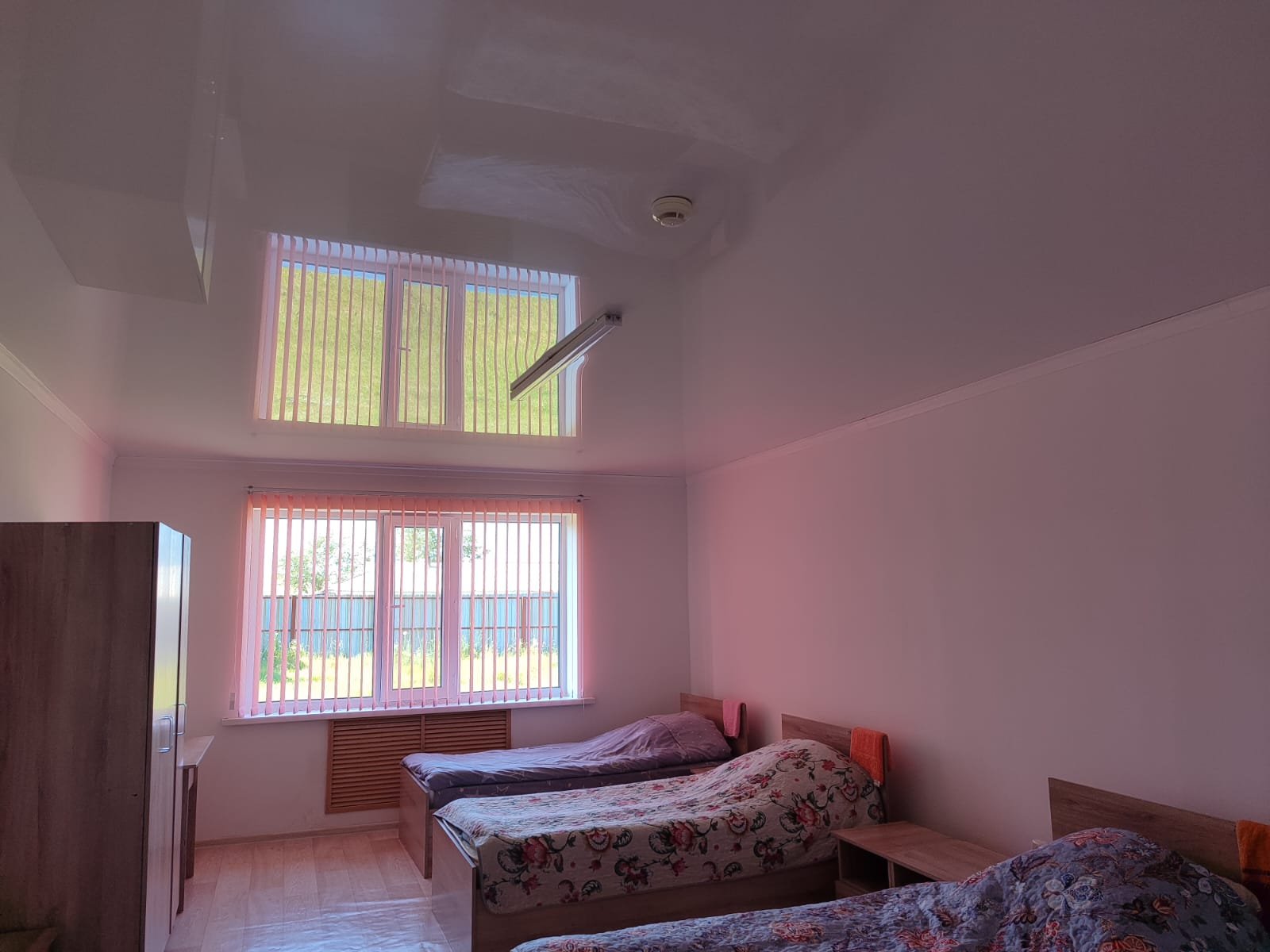
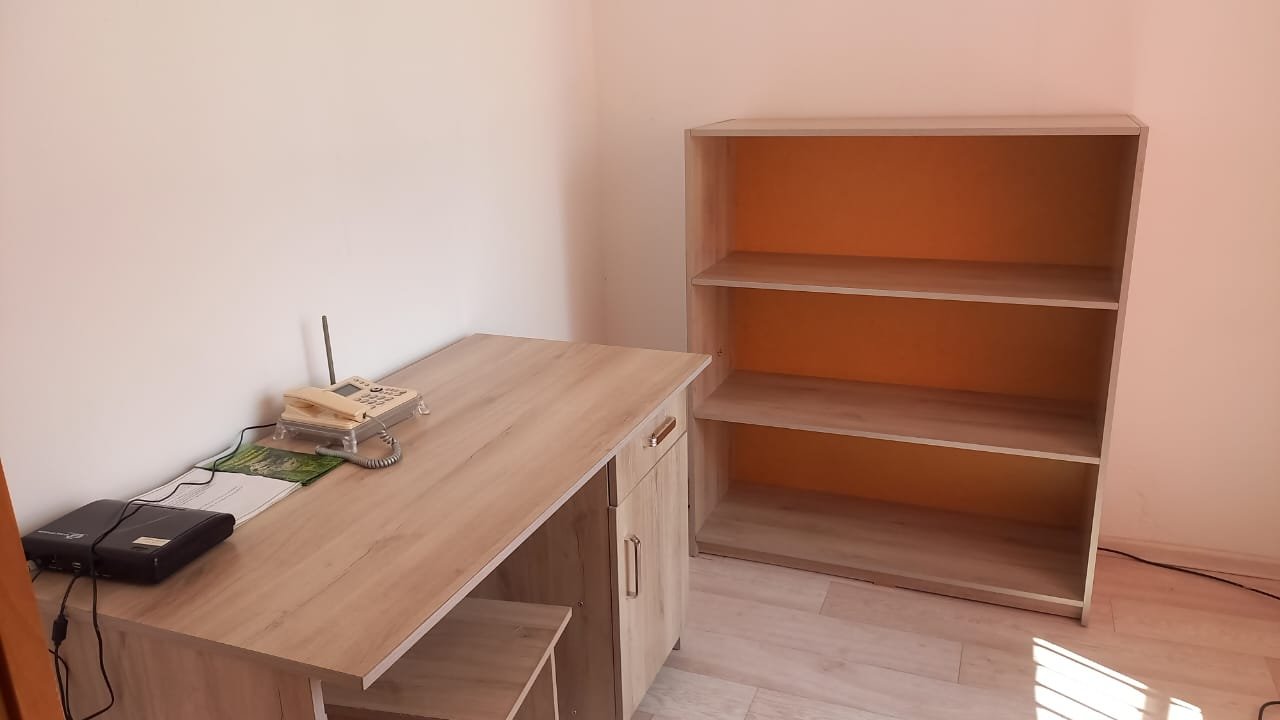
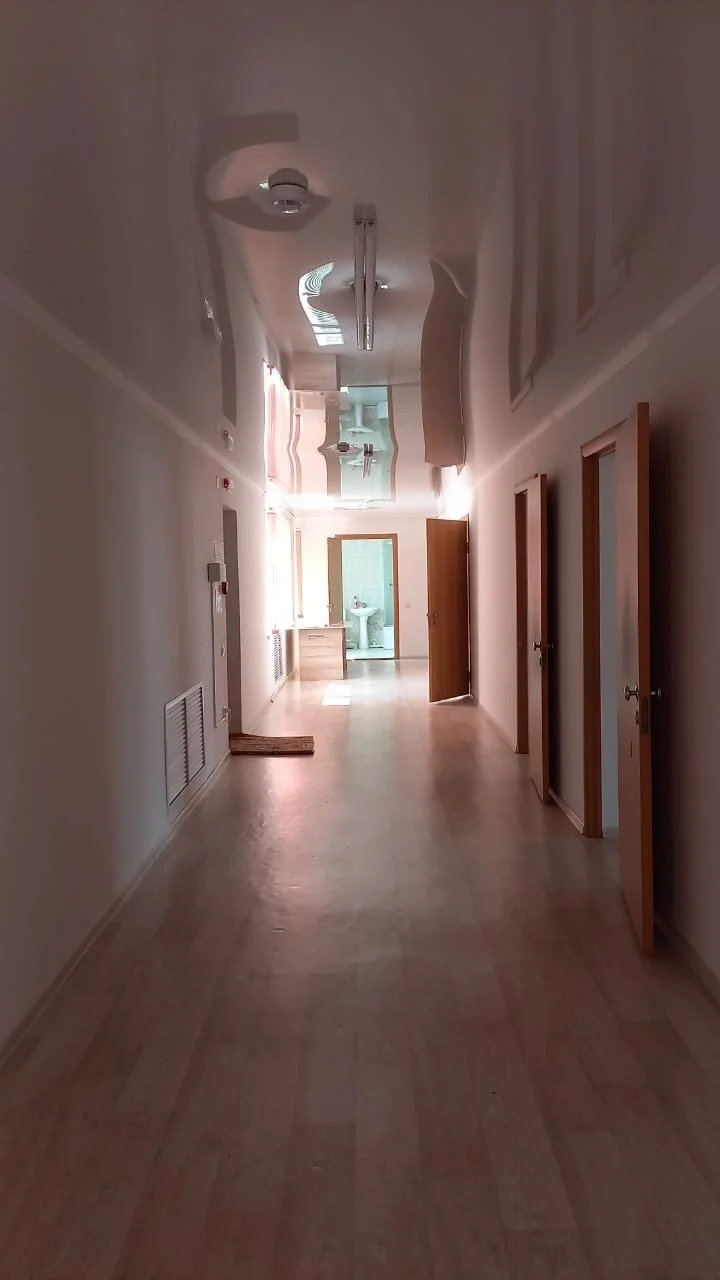
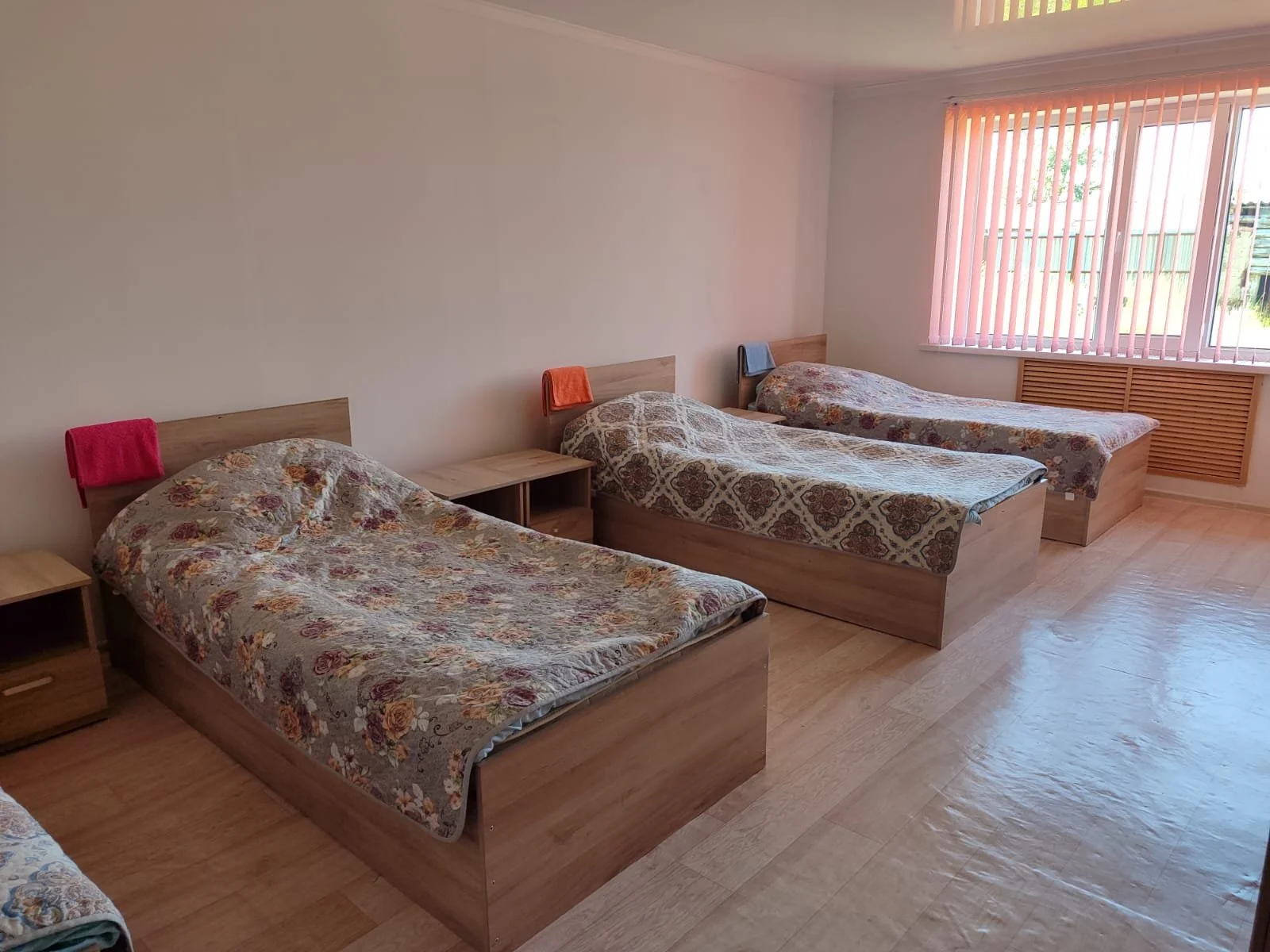
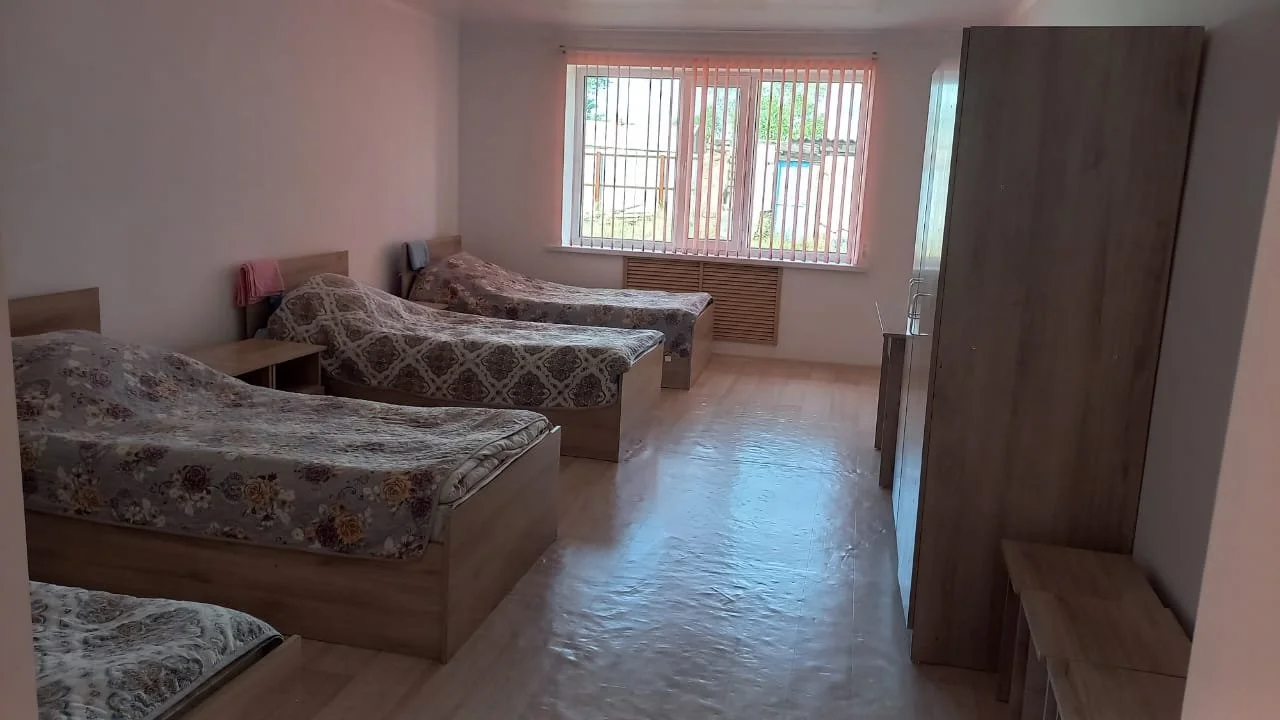
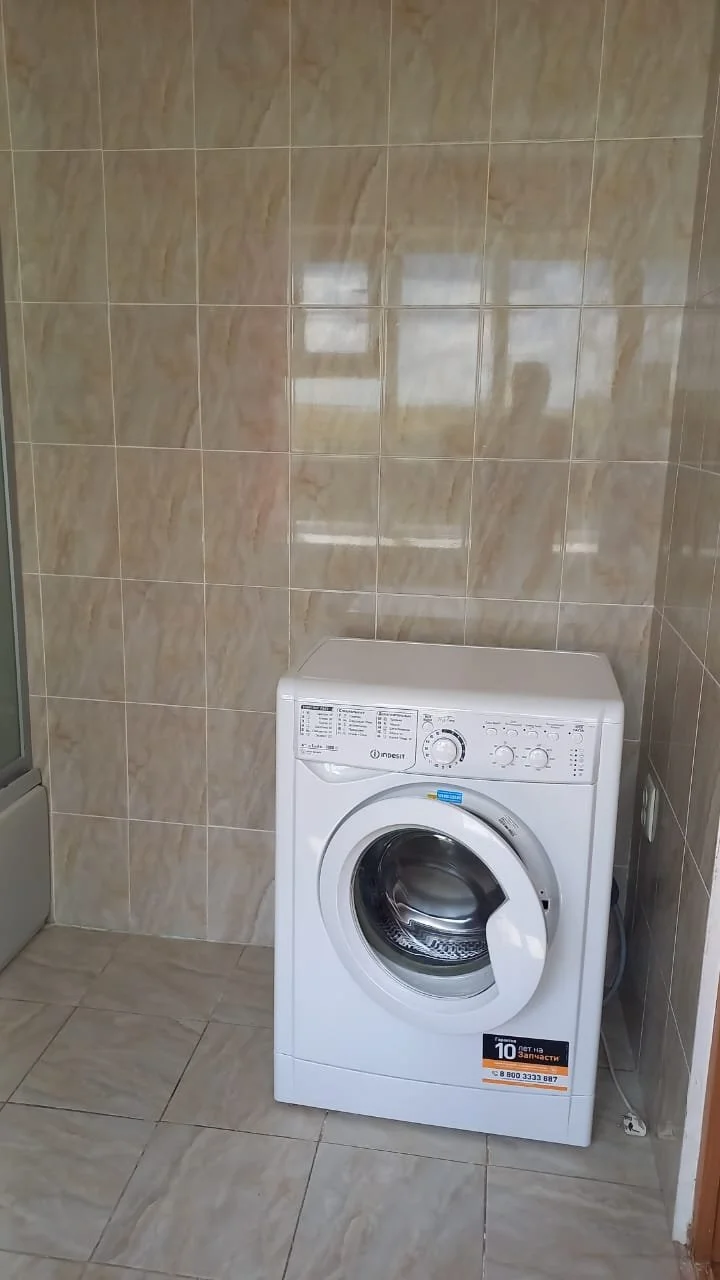
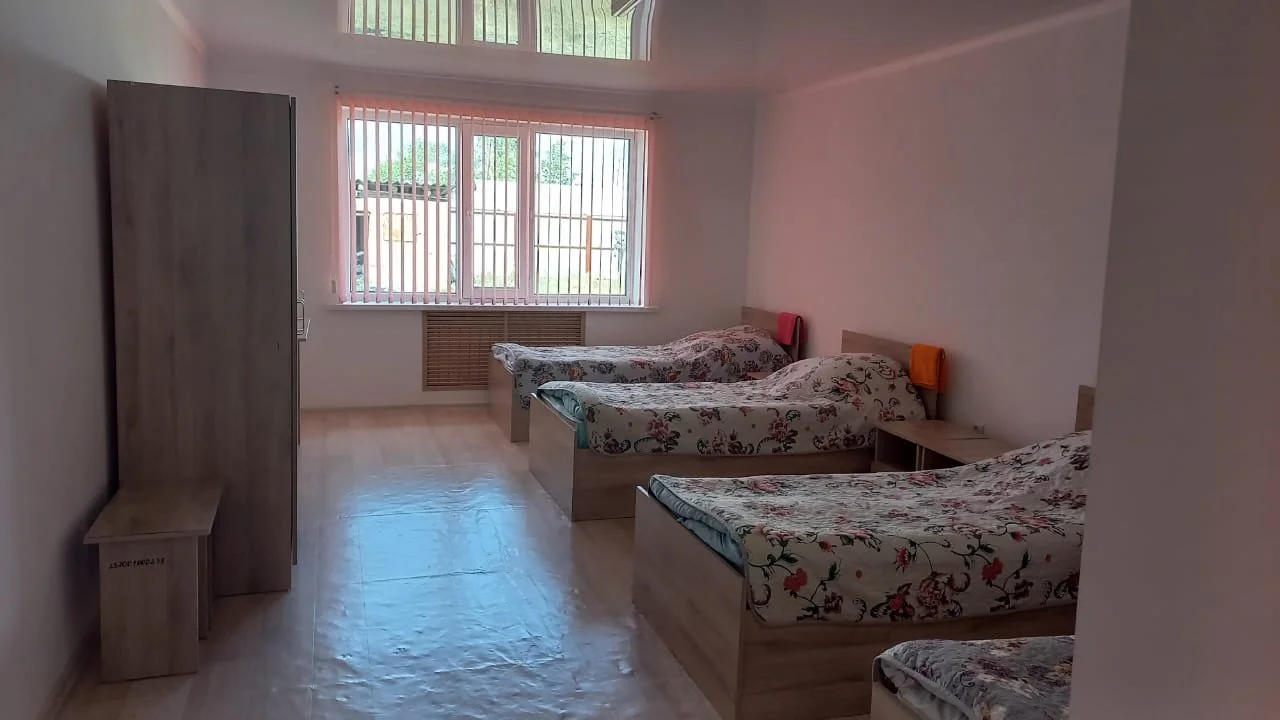
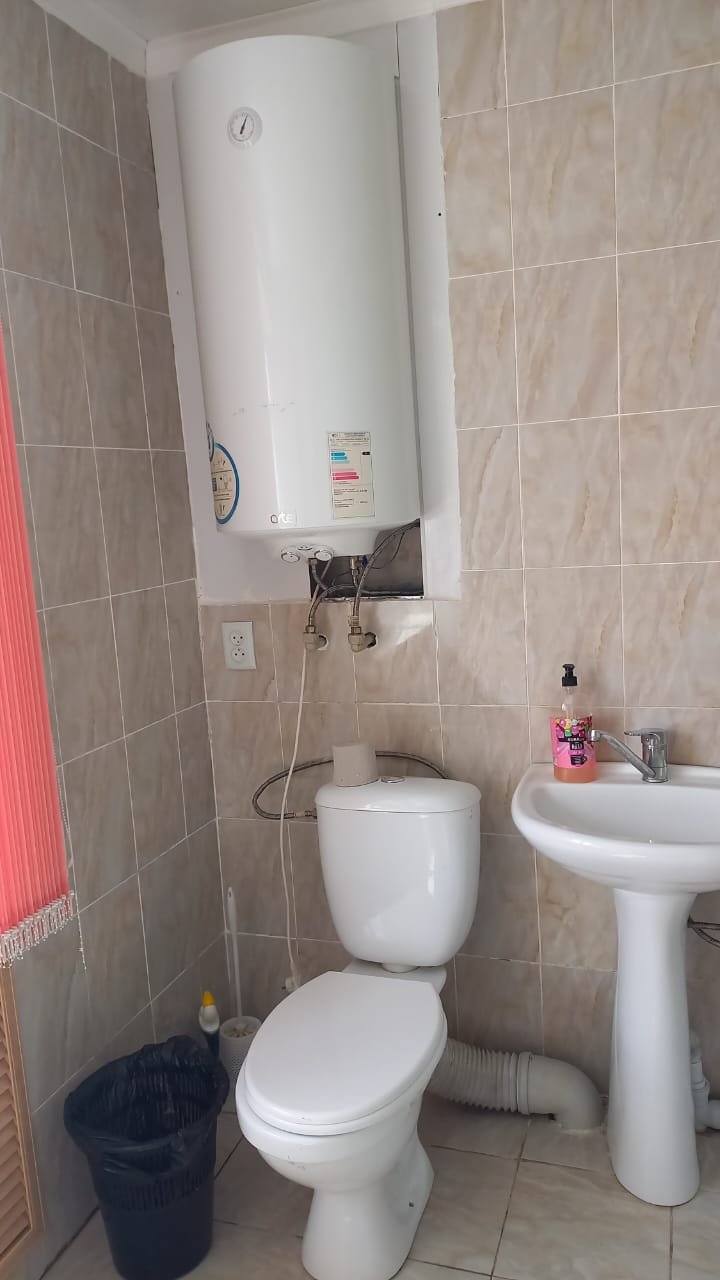
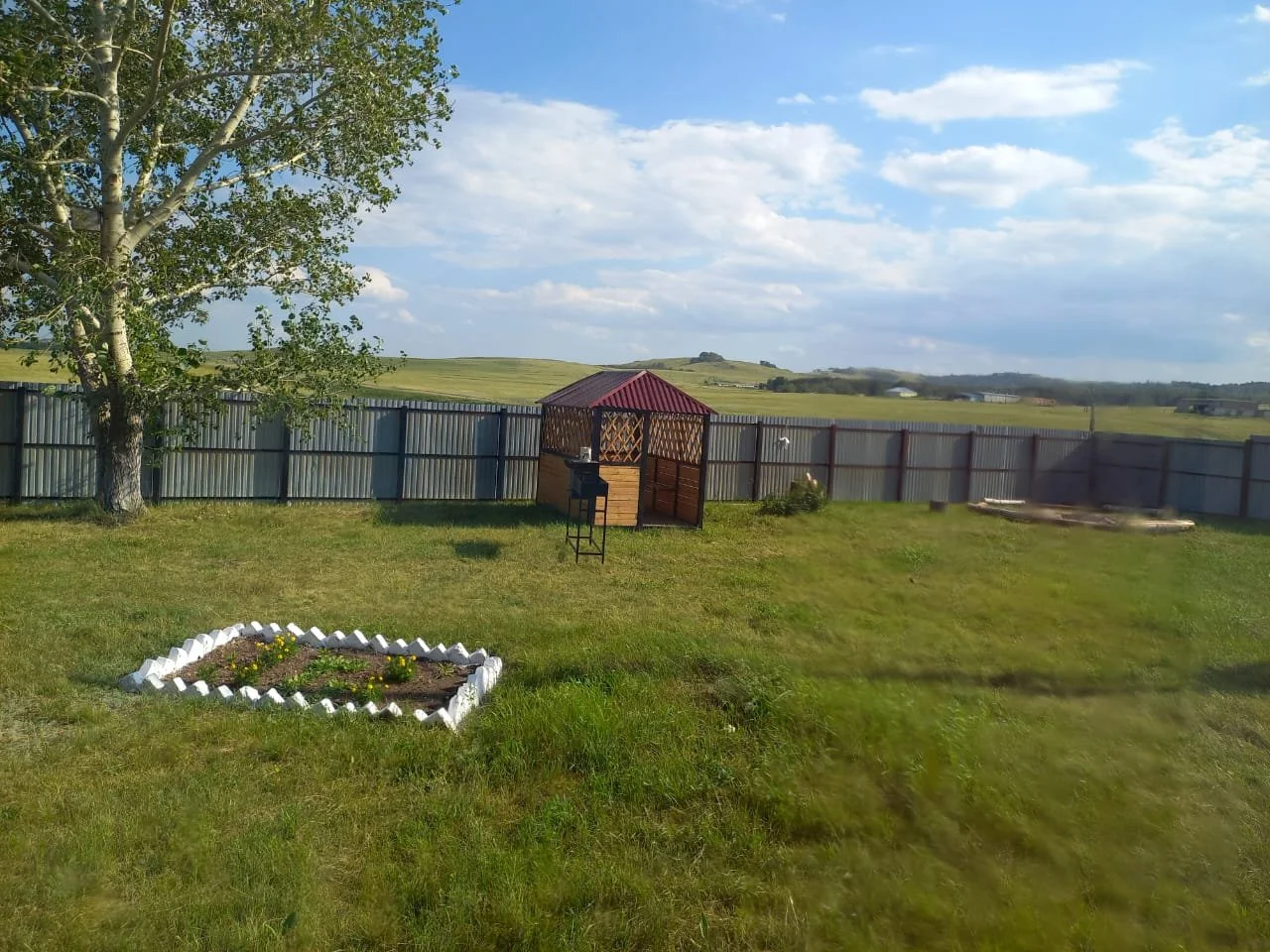
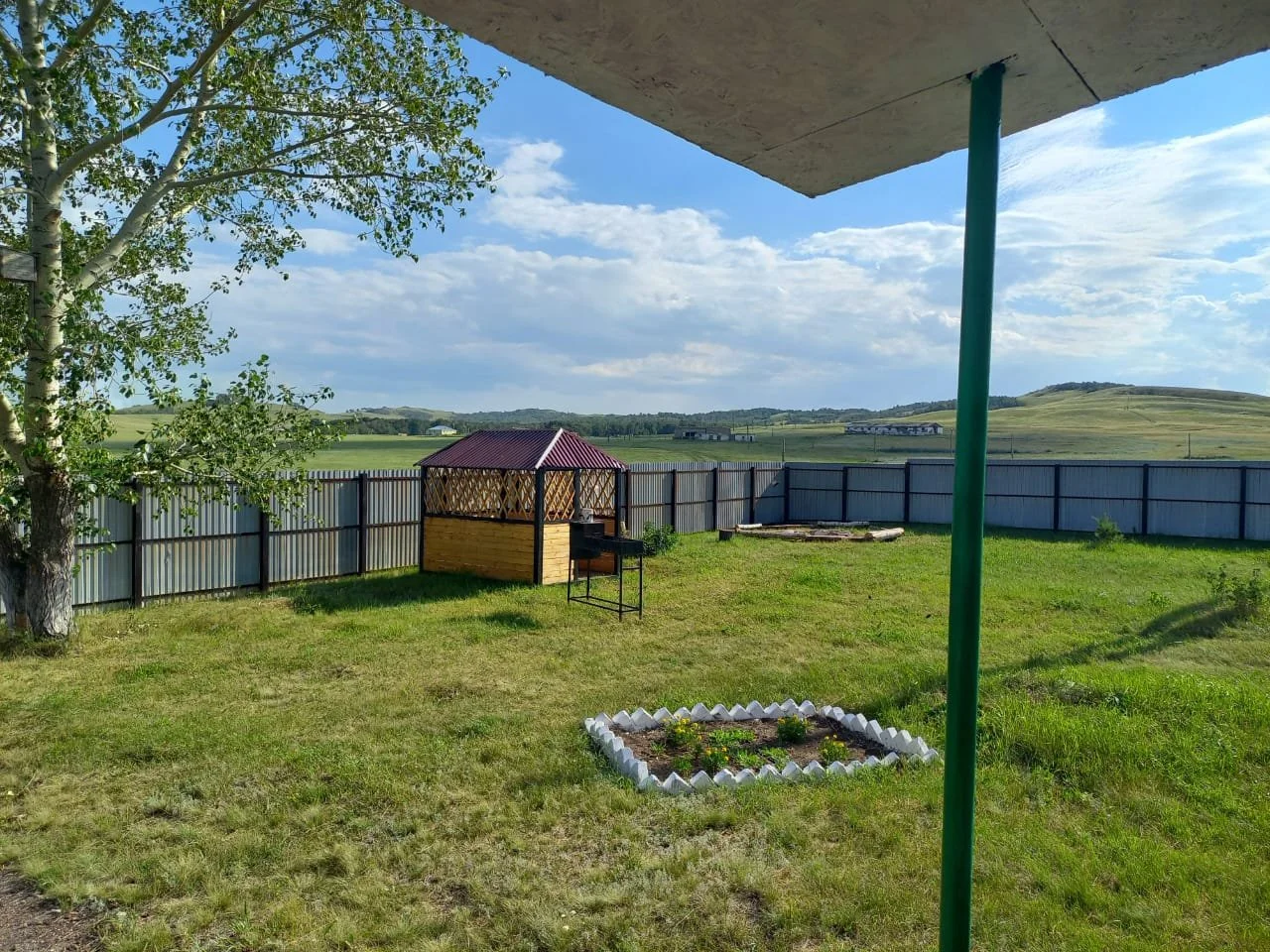
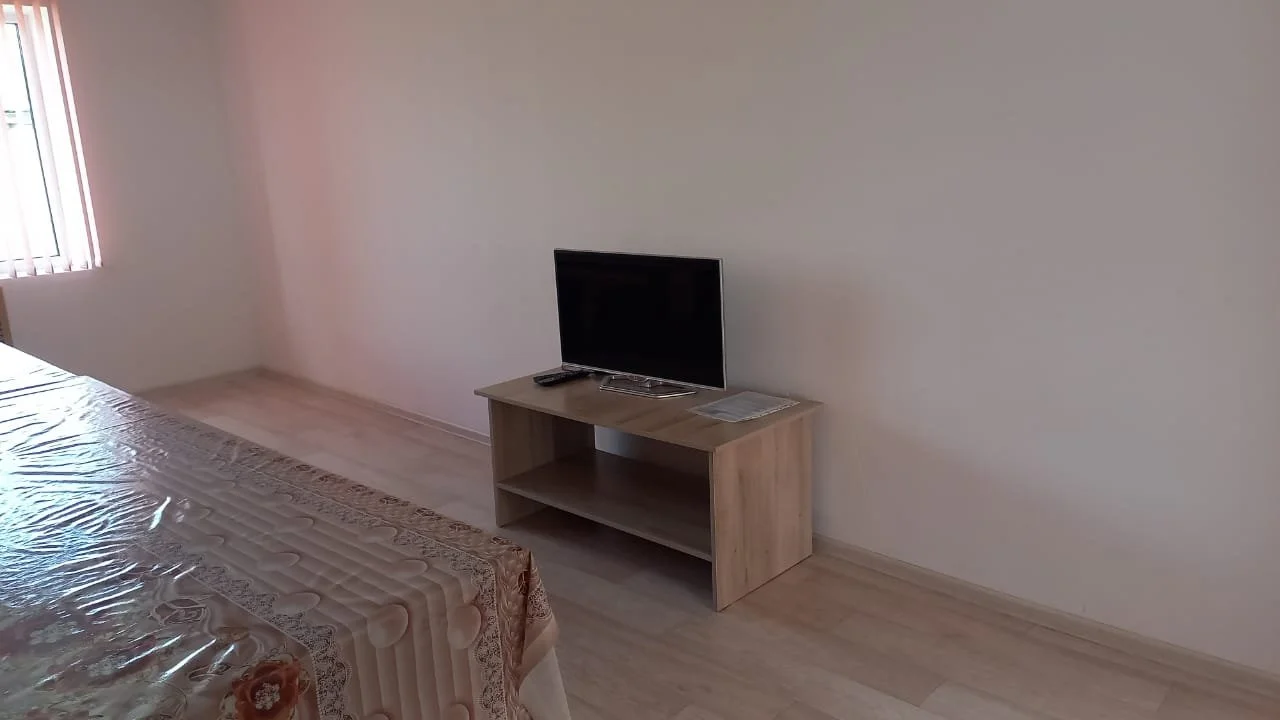
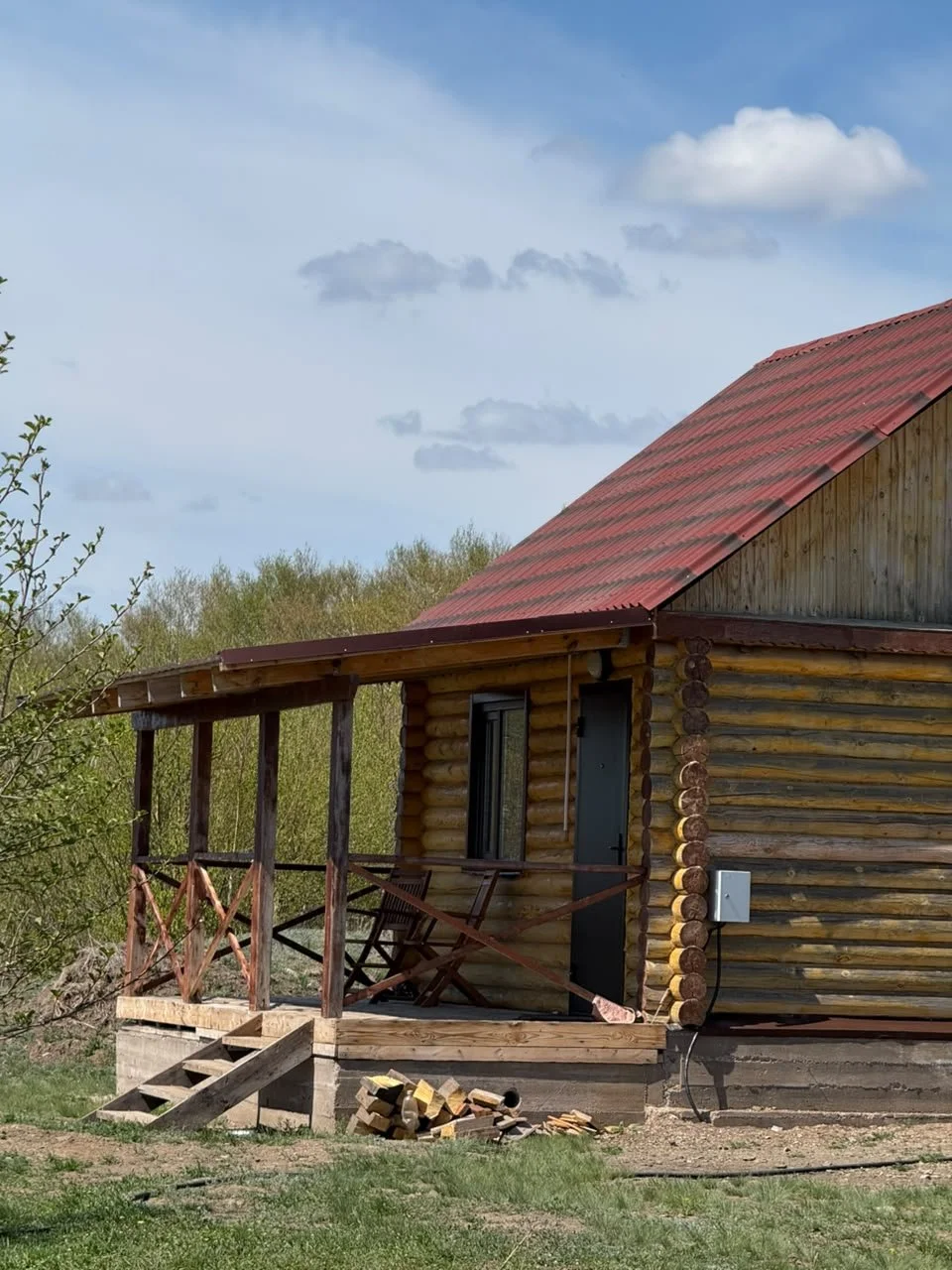
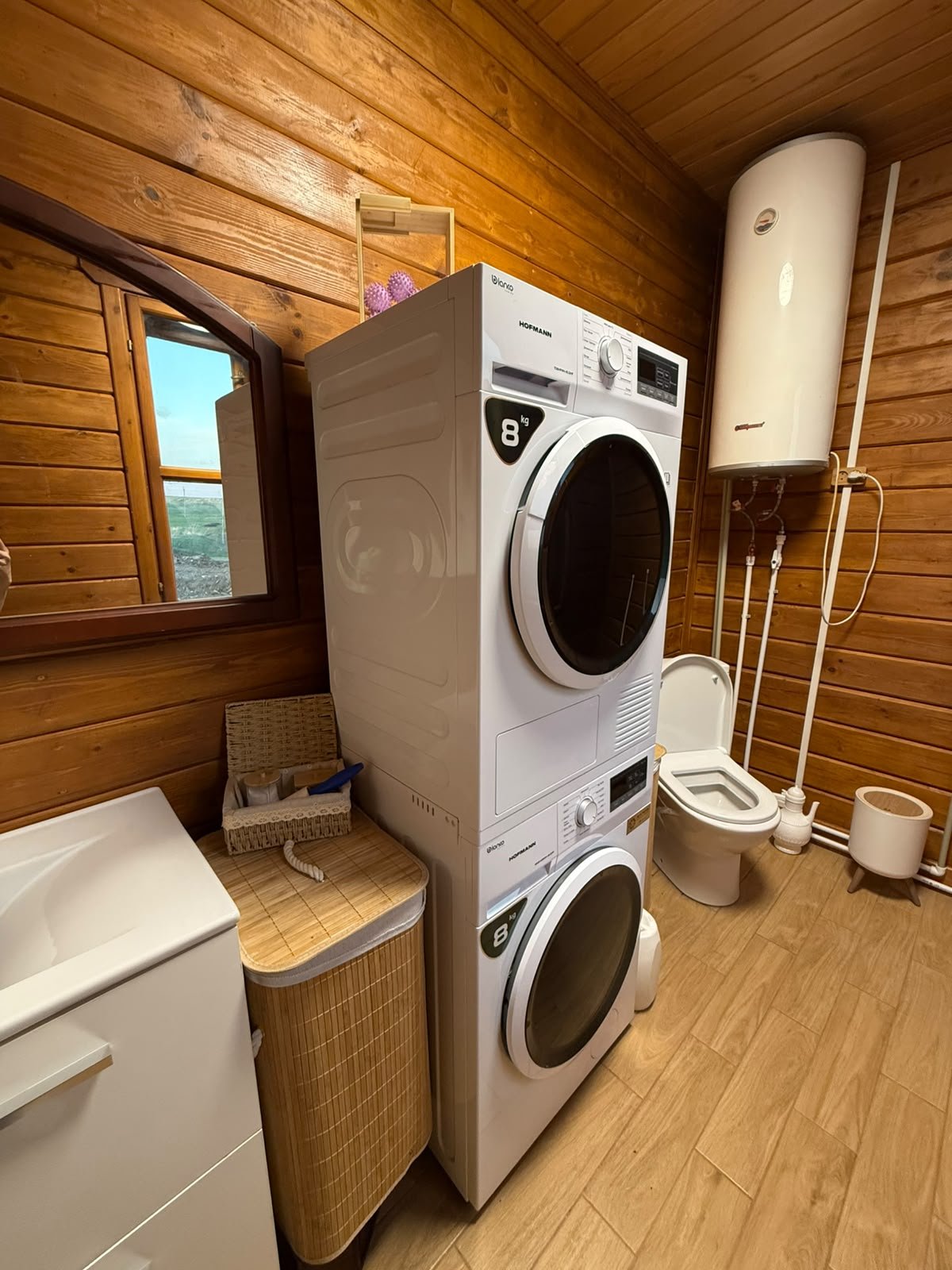
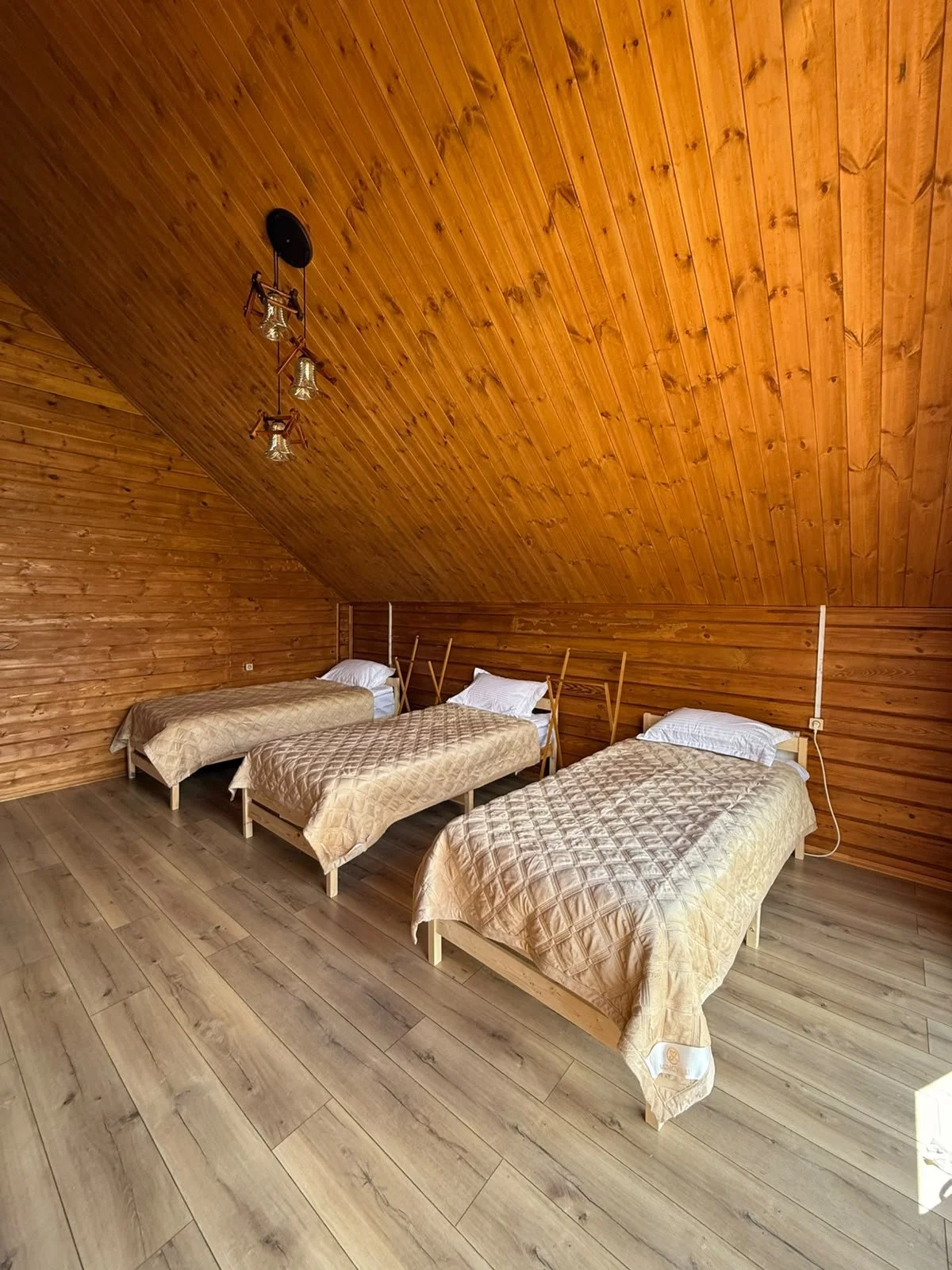
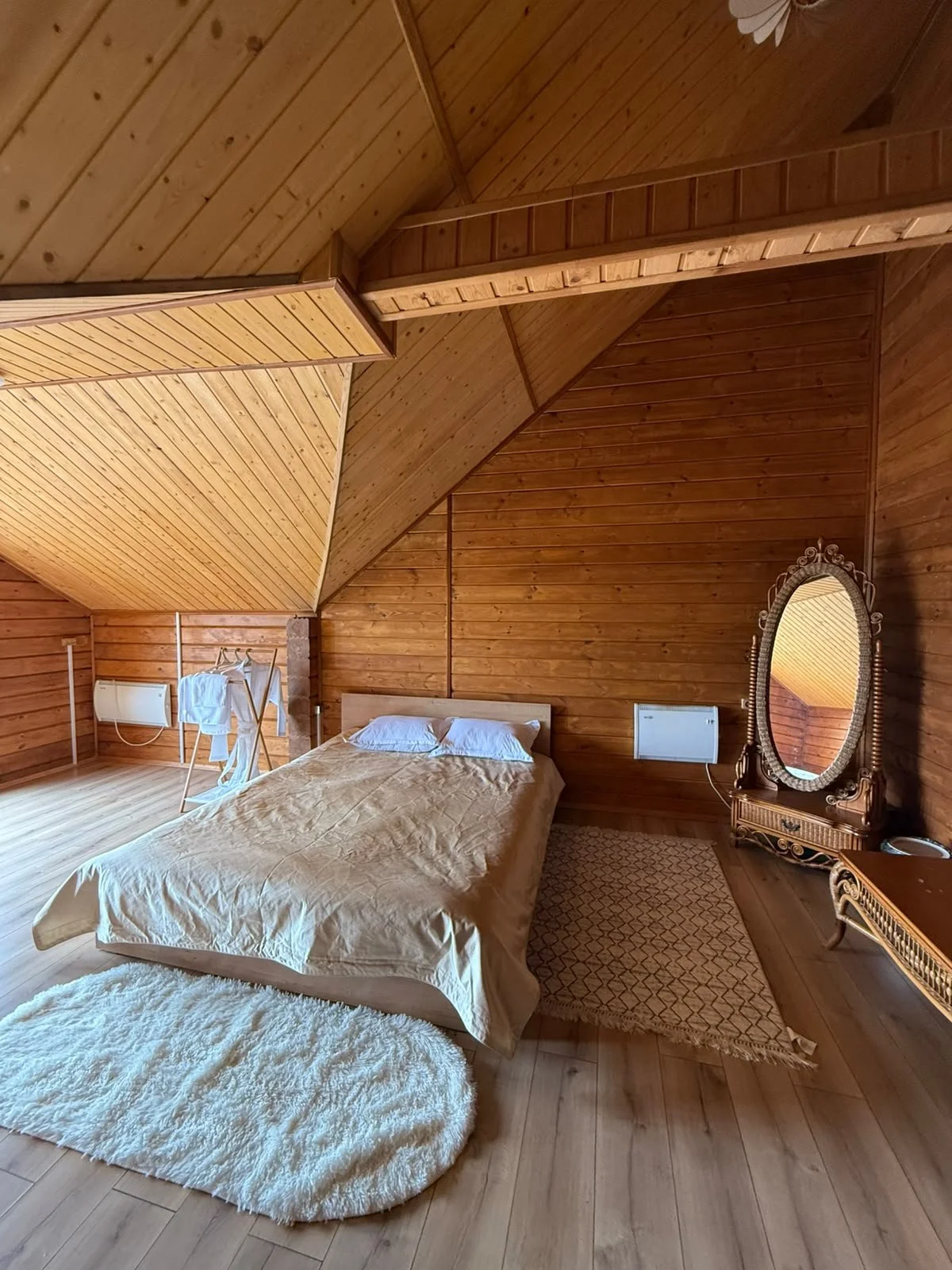
Accommodation is in a mix of hotels and guest houses.
Three nights are spent at the at the Algabas Hotel, in the village of Algabas.
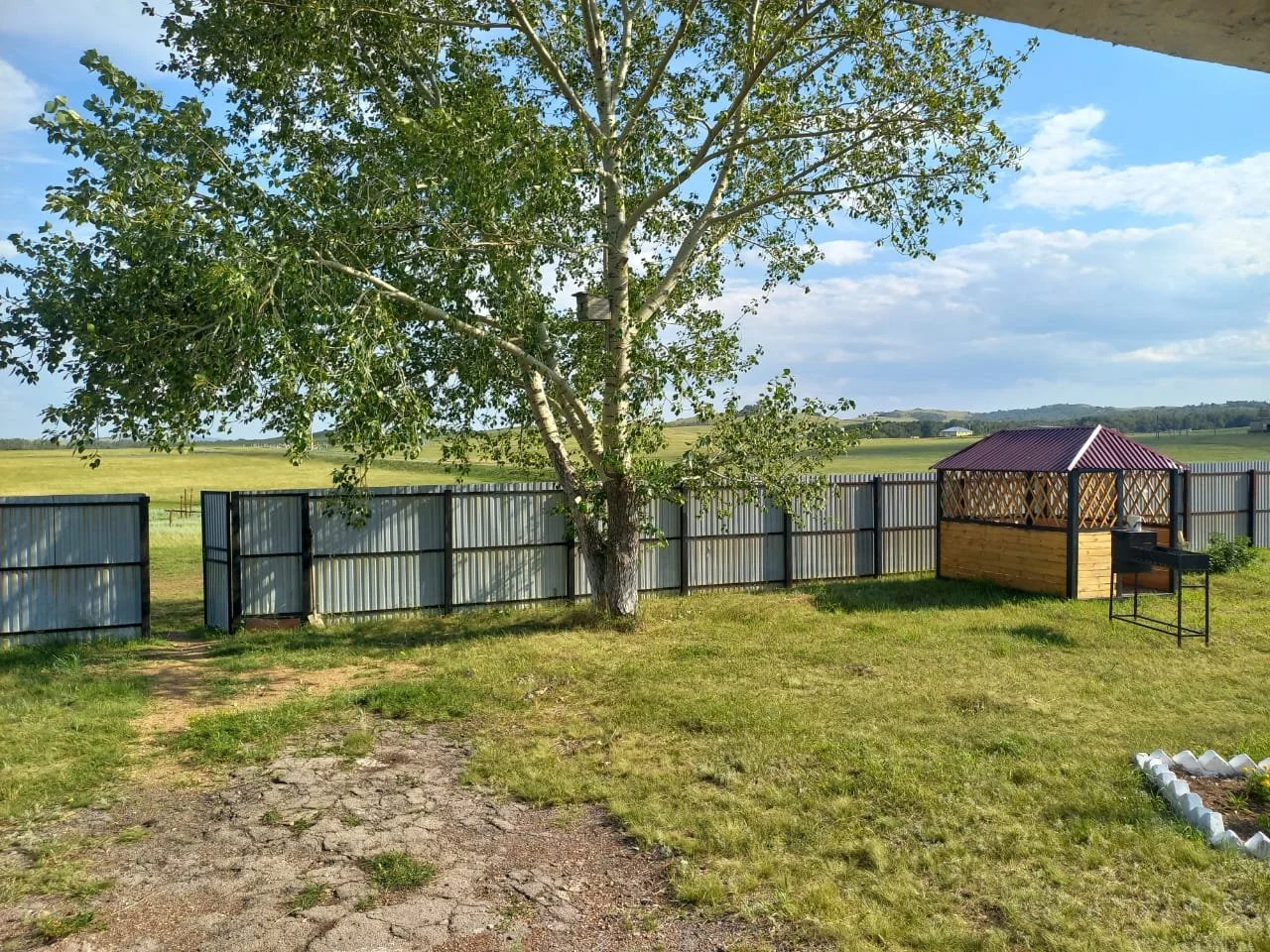
You’ll then stay at guest house within the Buiratau National Park area itself.
Your final night is spent in Karaagash
WHAT'S INCLUDED
All meals, accommodation, horses, guides, transfers, support vehicle, bottled water.
WHAT’S EXCLUDED
The price does not include international or domestic flights, alcohol, mandatory travel insurance, or tips for guides and support team.
RIDING
We specialise in riders for advanced riders. You must be an experienced, confident rider to join this ride. Because of the mountainous terrain most of the ride is at walk with some opportunities to gallop.
The horses work hard at high altitude and so we only accept well balanced, experienced riders that will not push them unnecessarily and ride in a long loose rein on the mountain.
TRAVEL & VISAS
Since 2012 British, USA and most European nationals don’t need a visa to enter and stay for up to 30 days.
TRANSFERS
Transfers from Manas Airport in Bishkek are included if arriving and departing on arrival and departure dates.
If arriving a day early as recommended you can catch a taxi into town. Manas Airport is a 30-40 minute drive from the city. A reasonable price for a taxi from the airport is 1500 som (€15), your hotel will charge around 5000 som (€50). There is an atm at airport.
Important: When selecting flights to Bishkek ensure you have at least two hours to transfer in Istanbul. Flights can be delayed and it takes some time to get to your next gate. You will need to pass through security again. Bags are checked all the way through.
MEALS
Kyrgyz food includes a lot of bread, soups, meat dumplings served with buckwheat and vegetables.
Breakfast on trail always includes hot green tea that the locals drink instead of water. You will enjoy a mixture of porridge (rice and oat), yogurt, crepes, small pancakes, eggs and fresh bread.
Lunches are picnic style with cold cuts, bread, cheese, and canned fish while on trail.
Dinners are enjoyed warm with a fresh cucumber and tomato salad. In the mountains you are often served hot soups with pasta, dumplings, or meat on potatoes.
You will have an opportunity to drink kumis - fermented mares milk. It’s an acquired taste for foreigners but a daily drink for locals. You might have the opportunity to drink fresh mares milk too. It’s surprisingly sweet!
Kyrgyzstan is a muslim country though alcohol is readily available to purchase at supermarkets. This is a dry trip though you are welcome to bring your own alcohol.
WHAT TO PACK
Refer to our FAQ for what to pack on a horse riding holiday.
The key to packing well for riding in the mountains, even in summer, is layers. We recommend you pack:
A down jacket, a warm jumper, a very warm sleeping bag effective to 0 degrees, silk sleeping bag liner, rain gear (waterproof trousers should have an opening on the outside at the bottom of the leg in order to put on and take off without removing your trekking boots), 2-3 pairs of warm socks, waterproof trekking boots, underwear, gloves, sunglasses, sun cream with high UV-protection, lip balm with UV-protection, torch, personal medicine, metal water bottle (0.75 L), riding chaps, Micropure (or any other water purification).
We always recommend you wear hiking boots and half chaps when on a riding holiday. Always wear boots you are happy to walk in. When crossing mountain passes you may be required to walk over icey or snowy grond.
The weather can range from 40 degrees in Bishkek to zero at night on the mountain. The mountains are usually 15 degrees cooler than Bishkek during the day. It is imperative that you bring high quality wet weather gear.
As temperatures drop to single digits at night high quality sleeping gear is vital.
INTERNET
You will be out of cell range for portions of the ride. We recommend purchasing a O! sim card on arrival at the airport. The store is located to the left after customs. Unlimited internet for two weeks will cost around €6.
If your phone doesn’t take sims, or if you would prefer to organise a sim ahead of time, download an e-sim from Airalo and install before you arrive to be connected at all times.
Use our code BLACKS3976 to receive $3 off your e-sim credit.
Your guest houses will have wifi.
DATES + RATES
2027
The ride costs £ per person sharing. As the balance is less than €2,000 the full amount if due to reserve your saddle.
06 - 13 July 2027 | Black Saddle Hosted
To make an enquiry you can fill in an obligation-free Rider Profile and we will get back to you when dates are released.
GET IN TOUCH
Fill in an obligation-free rider form and we will share information on the ride
KAZAKHSTAN
Travelling to Kazakhstan is a trip between the future and the ancient past. You land in Astana, a capital that sprang up out of the steppe in the late 1990s. The skyline is straight out of a sci-fi film: a giant glass tent designed by Norman Foster, a golden-topped tower inspired by the tree of life, and gleaming blue mosques. The city has changed its name four times in living memory. In Soviet days it was Tselinograd, the hub of Khrushchev's Virgin Lands campaign to plough up the steppe for wheat. Russian is spoken everywhere in the city, although Kazakhstan was the very last republic to leave the USSR, in December 1991.
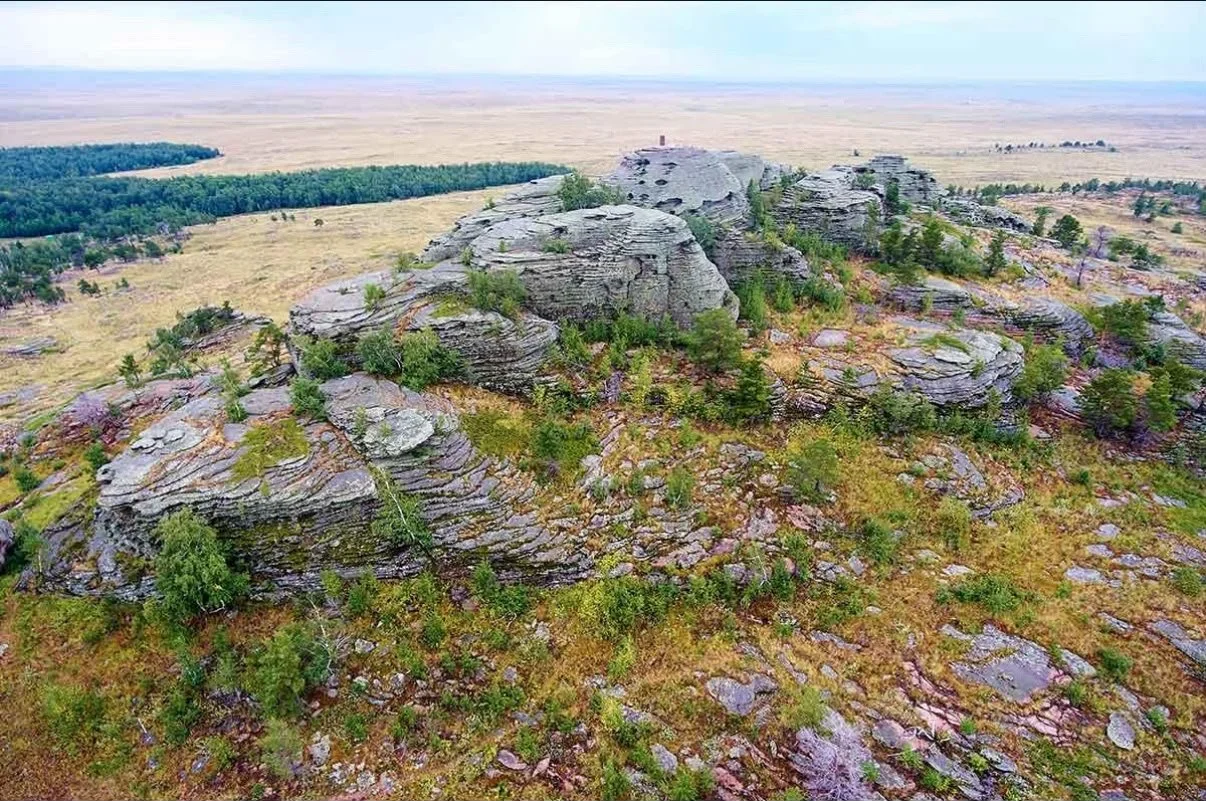
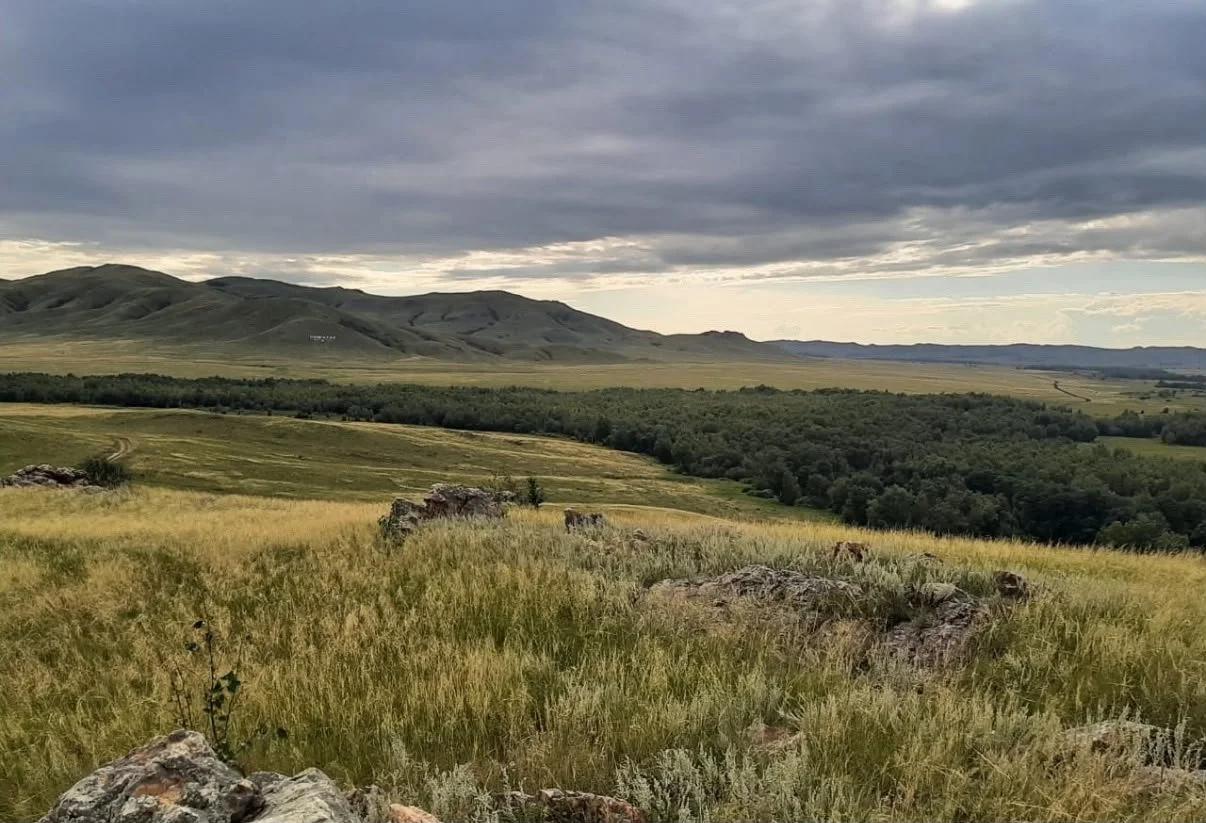
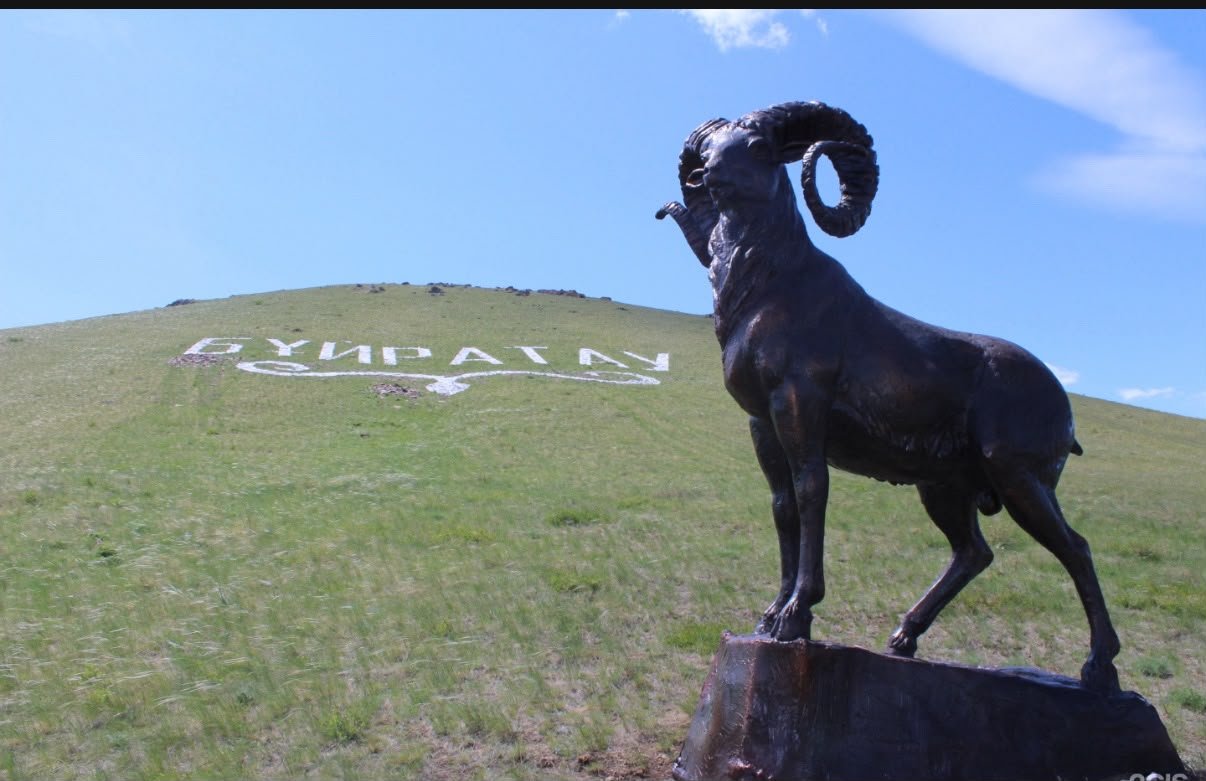
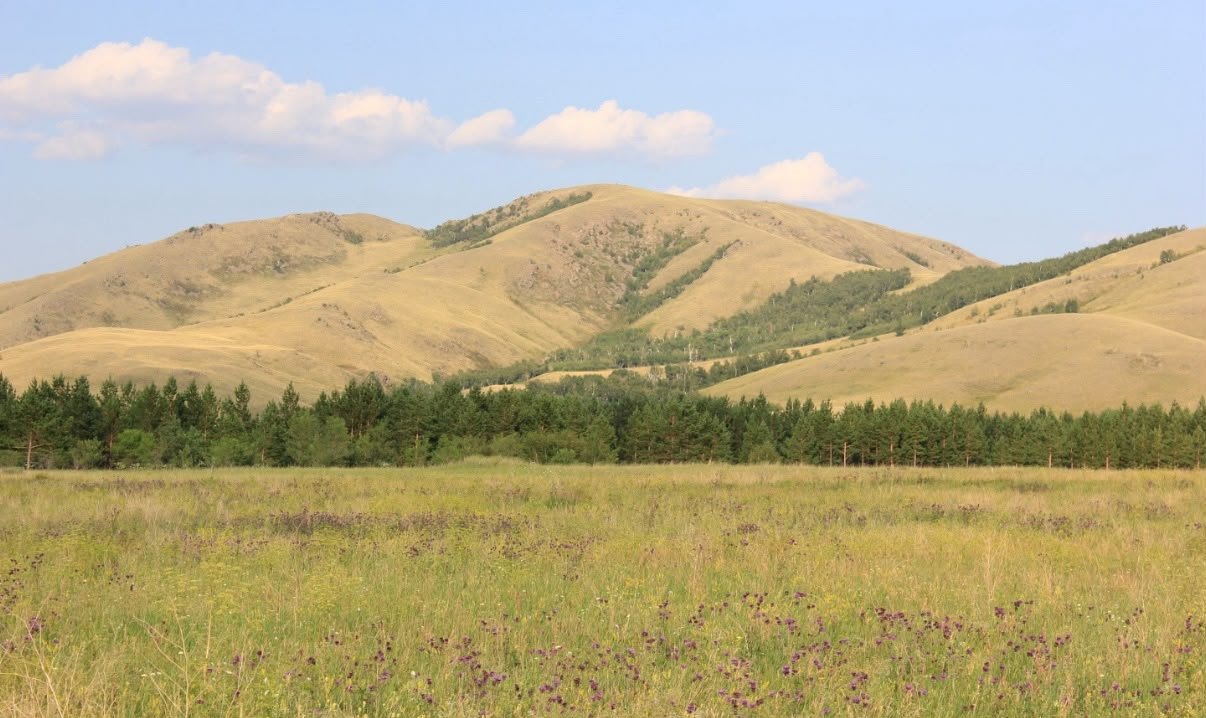
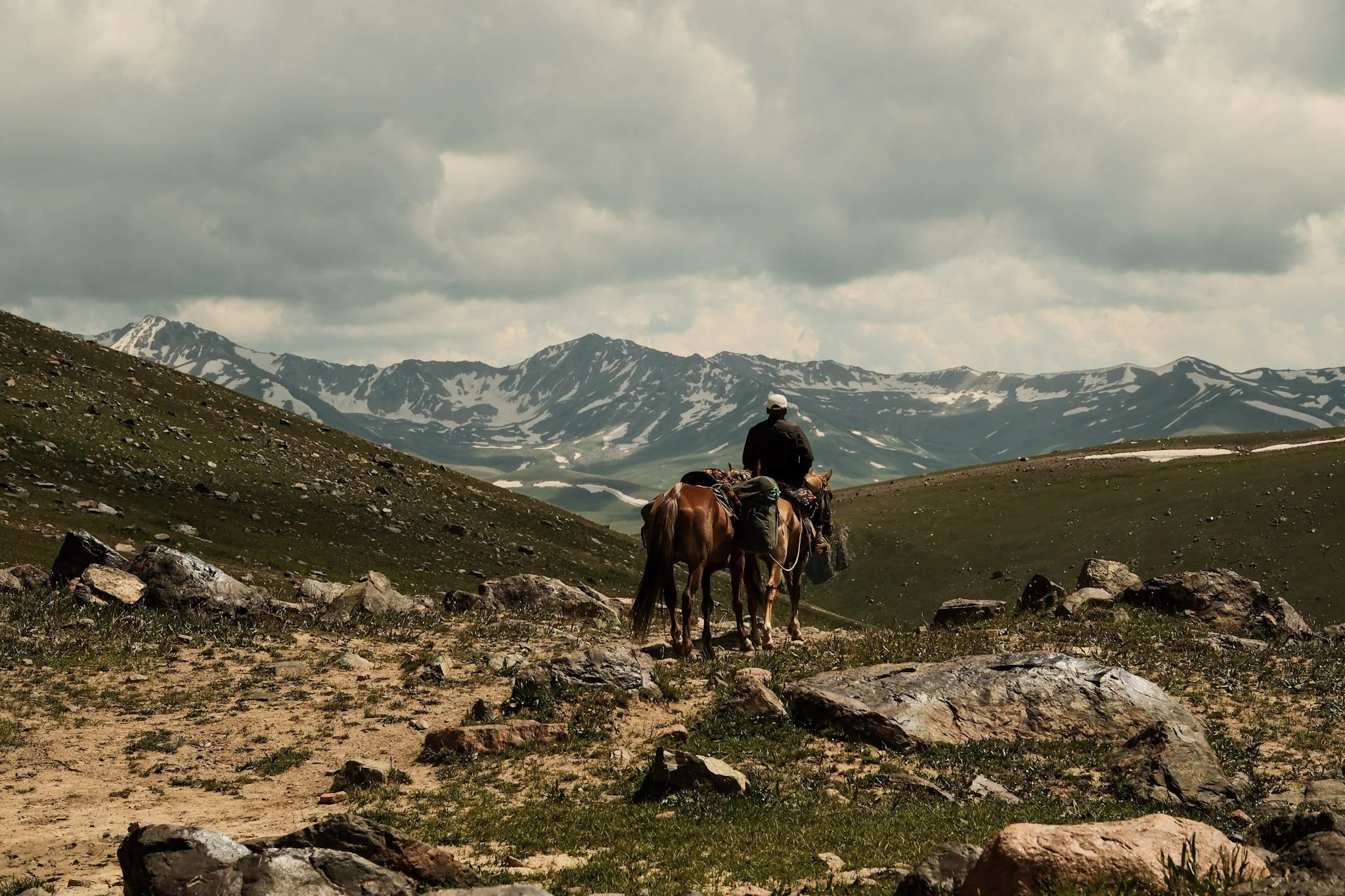
Leave the city and you're quickly into a different world. You head out to Buiratau National Park, a pocket of granite hills, pine groves and wild grassland rising out of the endless flat steppe of Central Kazakhstan. Out here people speak Kazakh, a Turkic language and a cousin of Kyrgyz and Turkish. The Kazakhs were nomadic horsemen for centuries. Some of the earliest evidence of horse domestication anywhere has been found on these northern steppes, more than 5,000 years ago, so it's hard to think of a more fitting place to ride.
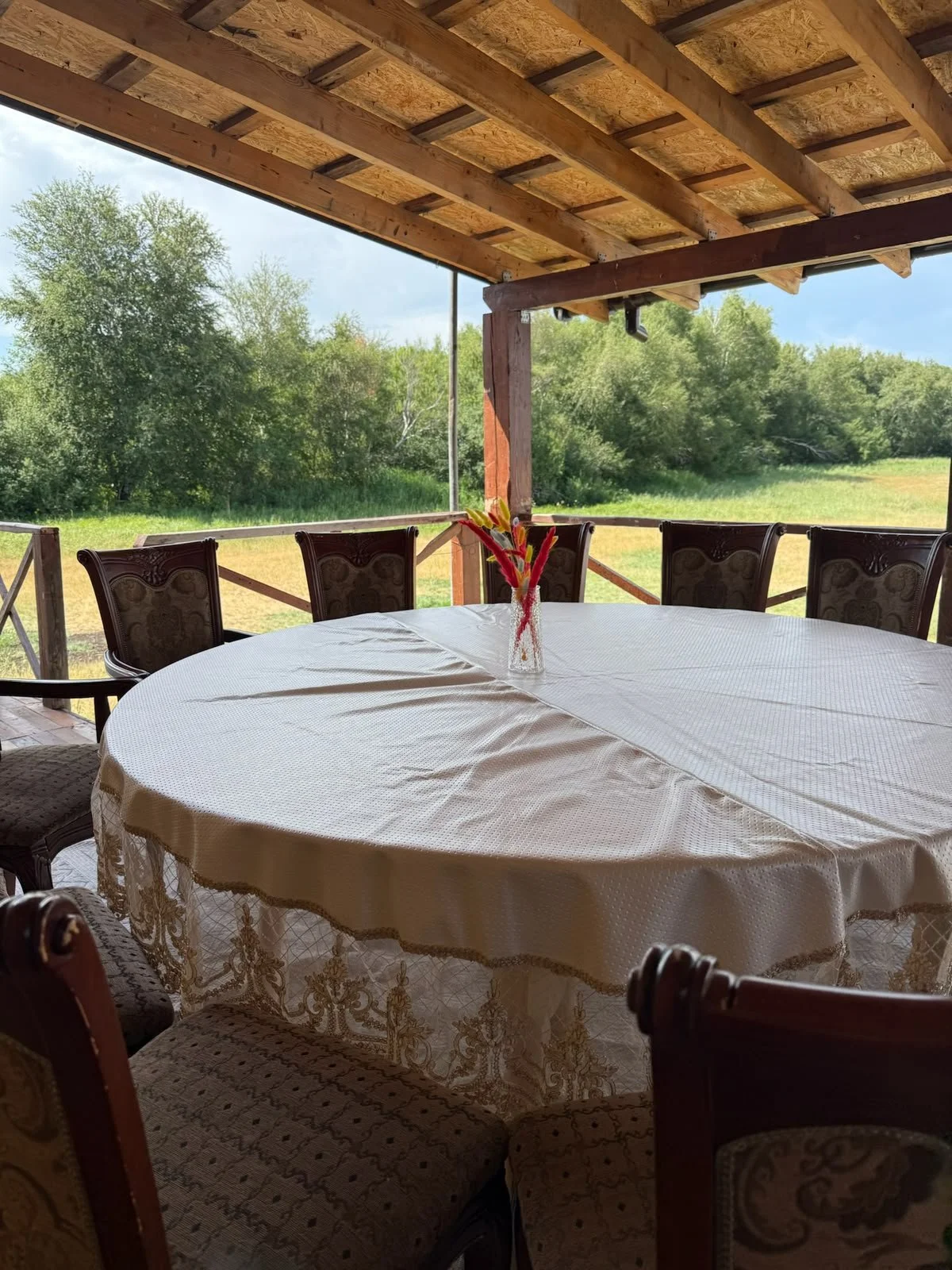
The ride is steeped in history. You'll ride to the memorial of Olzhabay Batyr, an 18th-century Kazakh warrior hero, and past ancient Saka burial mounds left by the steppe nomads who roamed here thousands of years ago. There's a summit day to the highest point of the park, and a wildlife day riding through the maralnik looking for maral deer and steppe bison. In the evenings there's a traditional dastarkhan, a Kazakh feast where the table is piled so high you can't see the cloth. You'll get the chance to try kumis (fermented mare's milk) and even dress up in Kazakh national costume.
Kazakhs are warm, generous hosts, and the country is generally very safe. Astana is clean, modern and easy to get around. It's a lot friendlier than most European capitals!
ITINERARY
Rides are intended to be run as shared but Kazakhstanis mountainous and weather can be unpredictable. Your guide may need to adapt your itinerary according to weather conditions.
-
We reccommend arriving the day before and spending the night in Astana before your ride begins tomorrow.
We recommend staying at
-
Collection from Astana and transfer to the village of Algabas, gateway to the Buiratau region. Evening welcome, introduction to the team and horses, and expedition briefing.
Overnight: Algabas Hotel
Driving distance/time: 196km, 3 hours.
? hours riding
-
First full riding day. The route leads from Algabas to Aulie Bulak — a revered spring in the steppe foothills. Riders settle into expedition rhythm across open grassland and rolling granite country.
Overnight: Algabas Hotel
? hours riding / ?km
-
Ride to the memorial complex of Olzhabay Batyr, the celebrated 18th-century Kazakh warrior. A day combining open steppe riding with one of the region’s most important historical sites.
Overnight: Algabas Hotel
? Hours riding
-
The expedition moves deeper into the national park territory. A full riding day ending at a comfortable guest house within the Buiratau area.
Overnight: Guest House
? hours riding
-
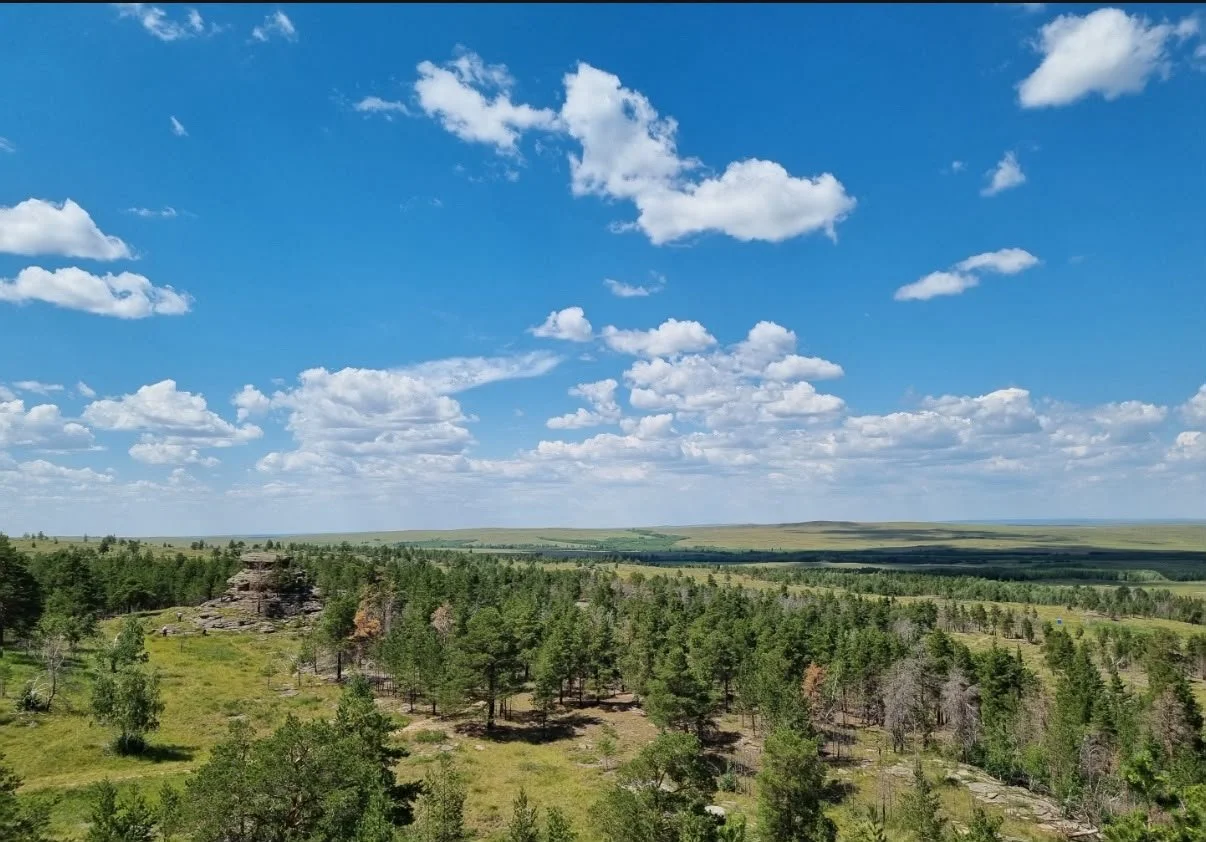
Ascent to the highest point of Buiratau National Park at 902 metres. Panoramic views over granite outcrops, pine groves, and the endless steppe. One of the defining days of the expedition.
Overnight: Guest House
? Hours riding -
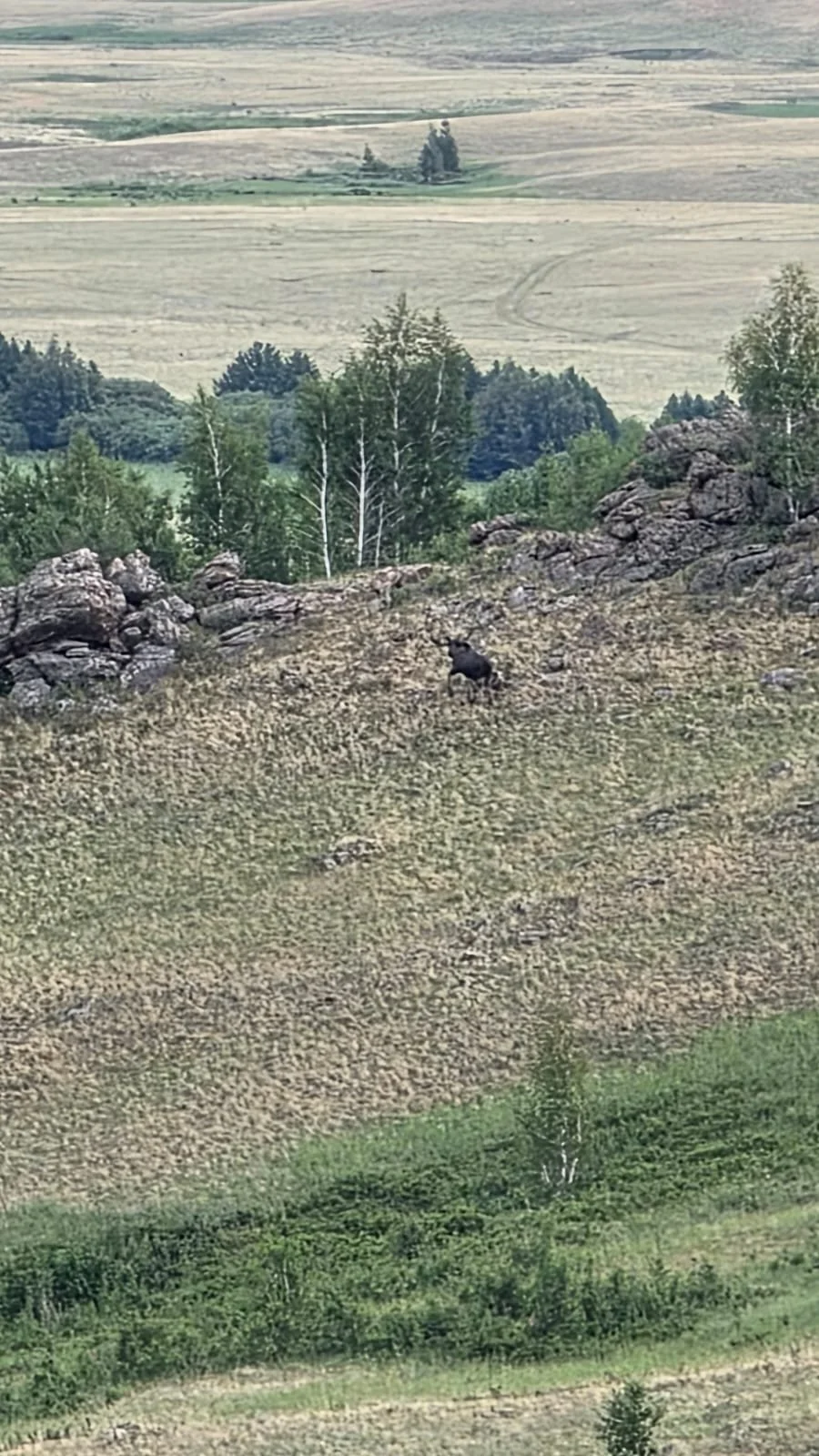
Visit to the maralnik — the park’s wildlife territory, home to maral deer and steppe bison. An exceptional opportunity to observe large wildlife in their natural habitat from horseback.
Overnight: Guest House
? Hours riding
-
Riding through the Karaagash natural tract, the route passes Kalmak Kyrgan and the ancient Saksiy burial mound — traces of the steppe civilisations that shaped this land over millennia.
Overnight: Karaagash location
? Hours riding -
Final riding stage via Kordon Far and Saidala, including the crossing beneath the motorway — a memorable finish to the expedition. Farewell to the horses and transfer to Astana.
Departure to Astana
? riding
? driving
-
PRICES & AVAILABILITY
2027
The ride costs £ per person sharing. As the balance is less than €2,000 the full amount if due to reserve your saddle.
06 - 13 July 2027 | 8 Guests + Black Saddle Host
To make an enquiry you can fill in an obligation-free Rider Profile and we will get back to you when dates are released.
HOW TO BOOK
As the balance is less than £2,000 the full amount if due to reserve your saddle.
Cancellation Terms
More than 90 days in advance 30% of the full amount is forfeited.
90 - 0 days in advance 100% of the full amount is forfeited.
WEATHER + CLIMATE
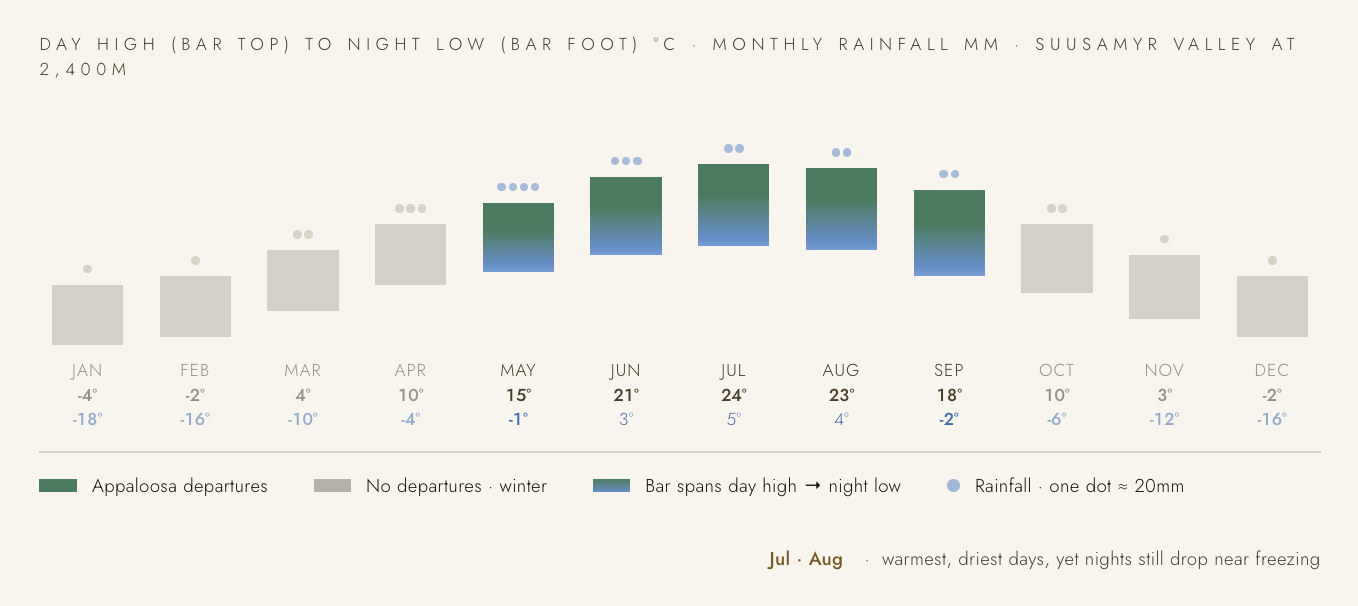
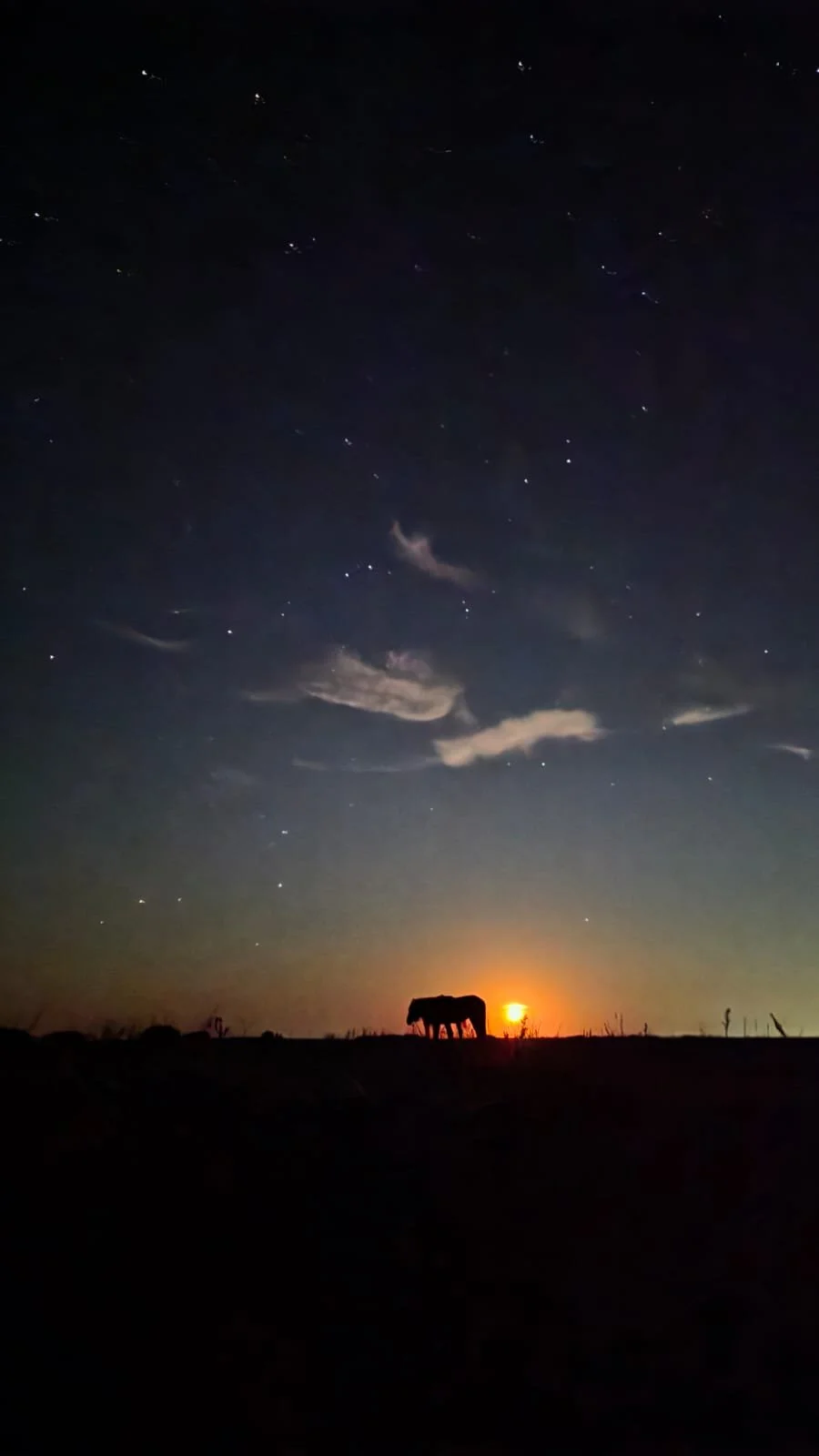
Kazakhstan is the ninth largest country in the world, and much of it is open steppe that rolls on as far as the eye can see. Buiratau National Park rises out of this grassland as a surprise: a wild pocket of granite hills, rocky outcrops and pine forest, topping out at 902 metres. The climate here is about as continental as it gets. Winters are long and bitterly cold, and for around half the year the steppe lies under snow. We ride in July, when the steppe is at its warmest and most settled. Out on the open steppe there is very little shelter from the sun, wind or rain, so bring plenty of layers to stay comfortable whatever the day brings.
Astana sits at around 350 metres above sea level and is one of the coldest capital cities on earth in winter. By July it's a different story, with daytime temperatures often in the high 20s and easily reaching the 30s. Out in Buiratau the days are warm and sunny, but the evenings and early mornings can be surprisingly chilly, so pack a fleece and a warm jacket for after the sun goes down.
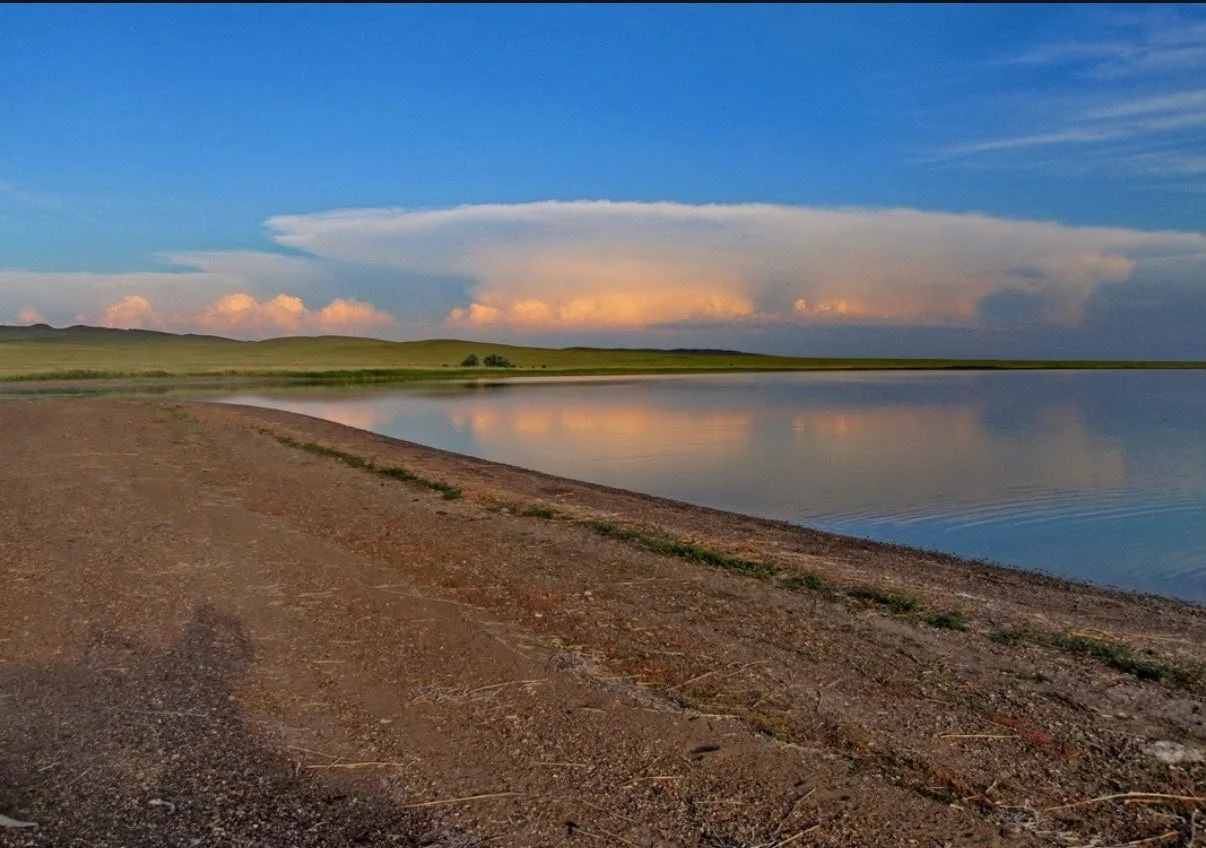
July is high summer on the steppe, with long, dry, sunny days and light evenings that seem to go on forever. Herds of horses graze freely across the grassland, and by the end of the month the steppe has turned gold. Afternoon thunderstorms can roll in quickly across the open country, but they rarely last long.
This is an open steppe ride, and the July sun can be fierce. Bring a wide-brimmed hat that fits under or over your helmet, high-factor sun cream, sunglasses and a buff to keep the sun and dust off your face. Insect repellent is a good idea.
Summer storms can be heavy, so you will still need a good lightweight waterproof jacket and trousers. A long riding coat or poncho is ideal.
ACCOMMODATION

SIMPLE DOME TENTS
Nights 2, 4, 6
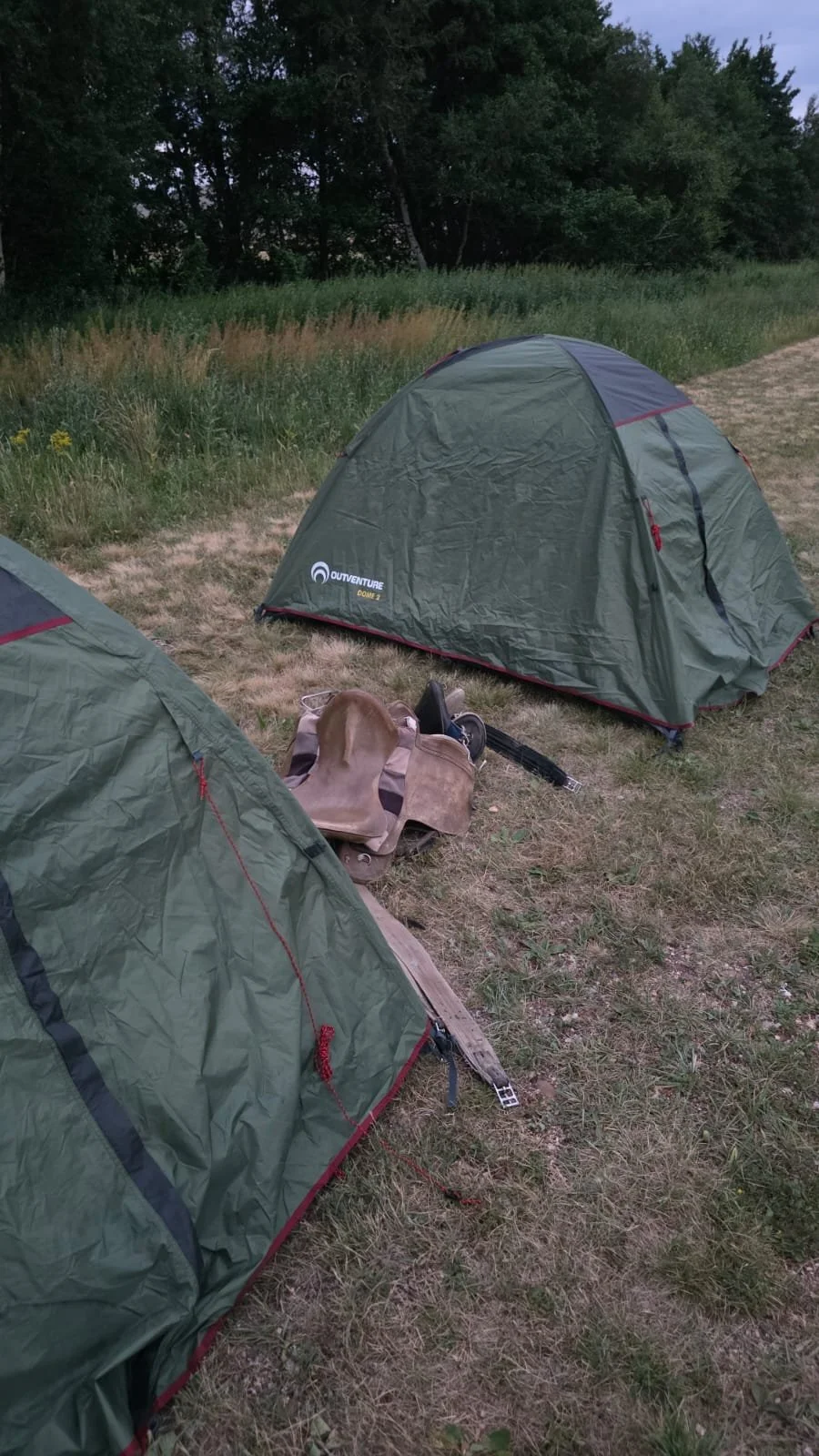
On the mountain you will sleep in simple dome tents.
Camp is close to a steam for water for a face wash. You guides will boil water for drinking though we recommend you also bring micropur tablets or a filter water bottle for drinking water.
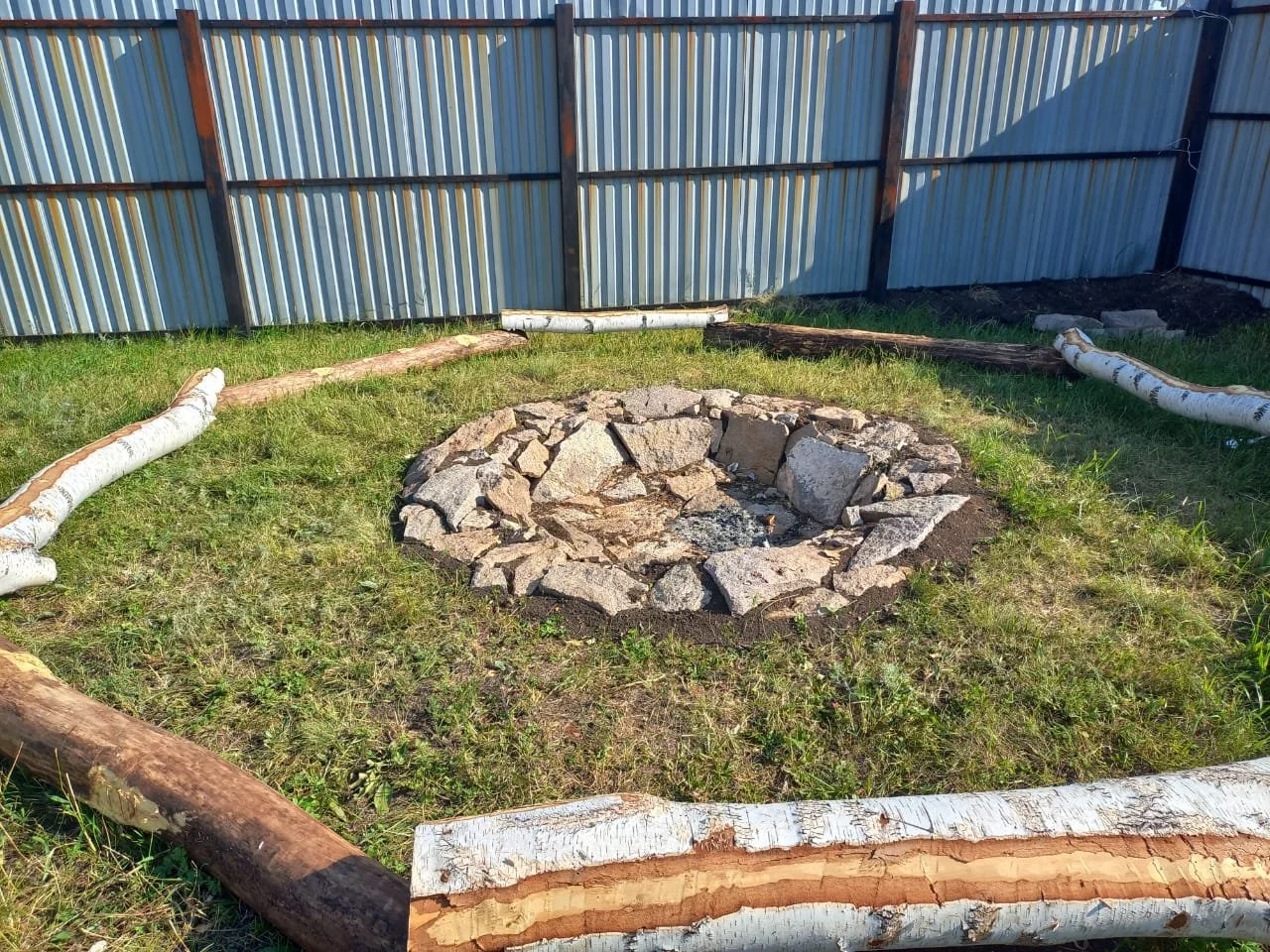
Biodegradable wipes can be used for washing and disposed of in the campfire.

Yurts
Nights 1, 3, 5
Yurts are traditional yurts owned by the family or their partners, rather than tourists yurts.
Your first yurt camp is moden with two guest yurts with real beds. The other two yurt camps are more traditional and you will sleep on your sleeping mat and in your sleeping bag on the ground.
All the yurts are completely off-grid.
Guest House
Night 7
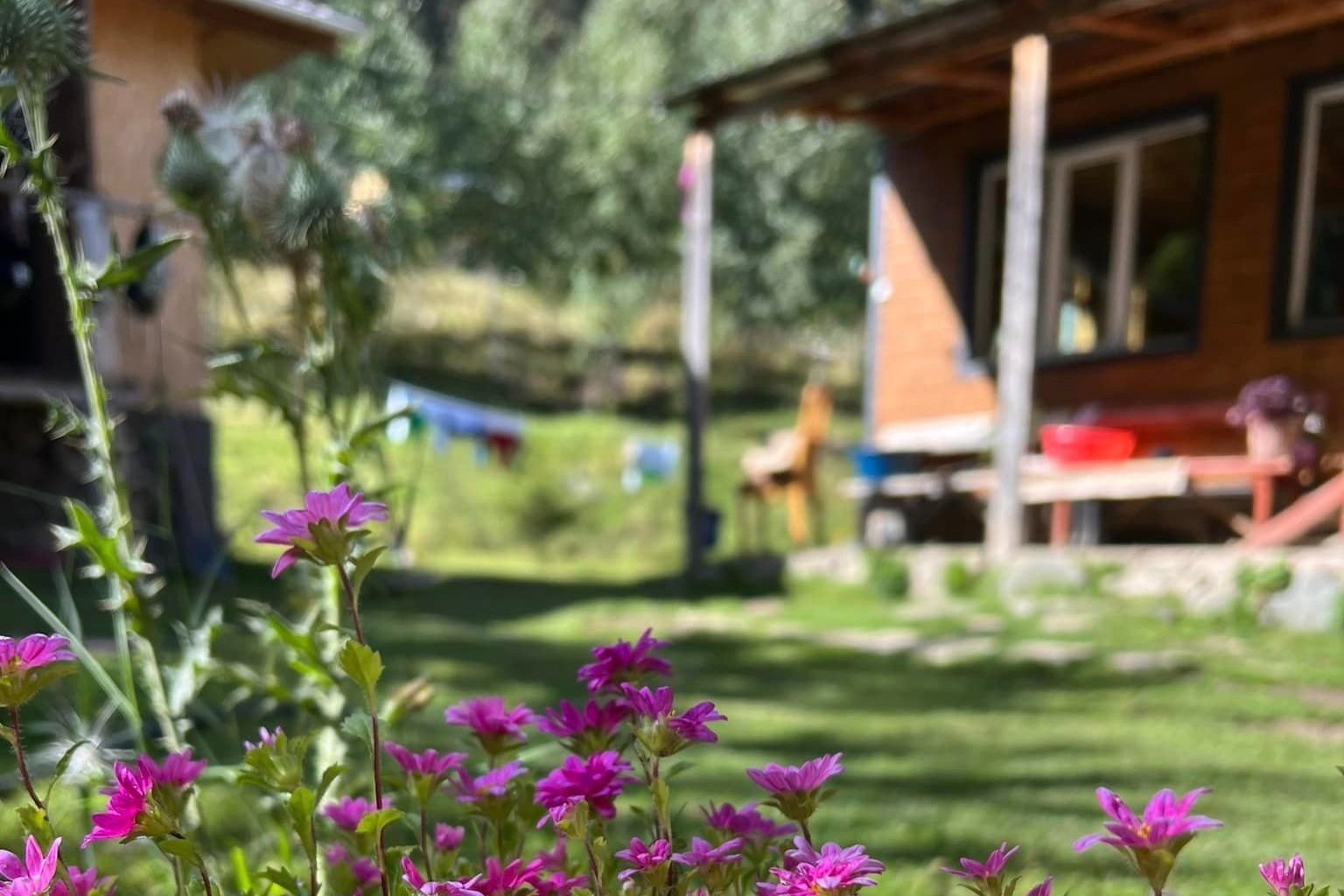
One night is spent in a small guest house owned by your own family in shared rooms.
This is the family home of your guests.
NAVAT HOTEL
Night 8
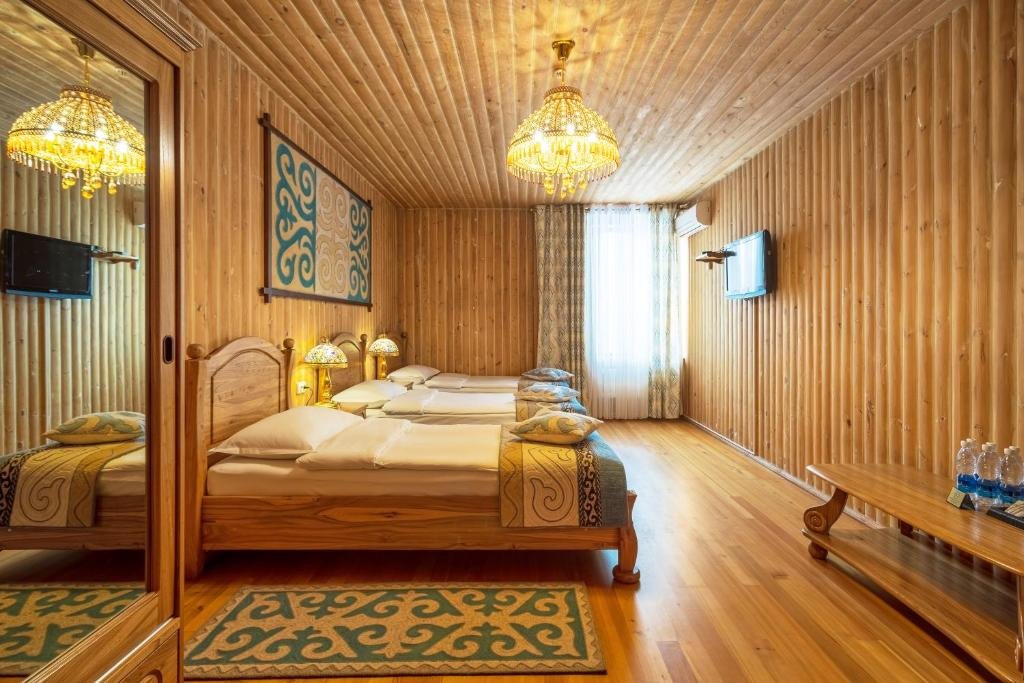
This boutique guesthouse is right in town with a small number of traditionally decorated rooms.
They have an excellent breakfast with a large range of Kyrgyx and Russian options.
MEALS


Meal times in Kyrgyzstan start with decadent table-scapes of sweets, dried fruit, nuts, bread, fruit, jams and cream. In nomad times everything available was put onto the table and offered to guests.
Main meals usually consist of meat and onions over potatoes, buckwheat or rice with carrot, tomato, cucumber, peppers or cabbage. Often you are served meat and vegetable soup as a starter.
Plov is a very popular buttered rice served with vegetables and meat dish. Also popular is pasta with cabbage and steamed or fried dumplings stuffed with meat or stir-fry noodles with meat. Watermelon is often served as dessert.
They are not that familiar with making vegetarian dishes though are learning to adapt. Vegetarians be aware that sometimes they think that picking meat out of the group dish will be acceptable to you!
The meals are typically carb-heavy. Gluten-free diets might want to bring their own bread to supplement meals as yurt camps will typically only make one dish for all guests.
Hot chai (black tea) is served at every meal. Bottled water is provided every day.
LOCATION