A remote, high-altitude riding expedition through the wild heart of the Eastern Pamirs.
OVERVIEW
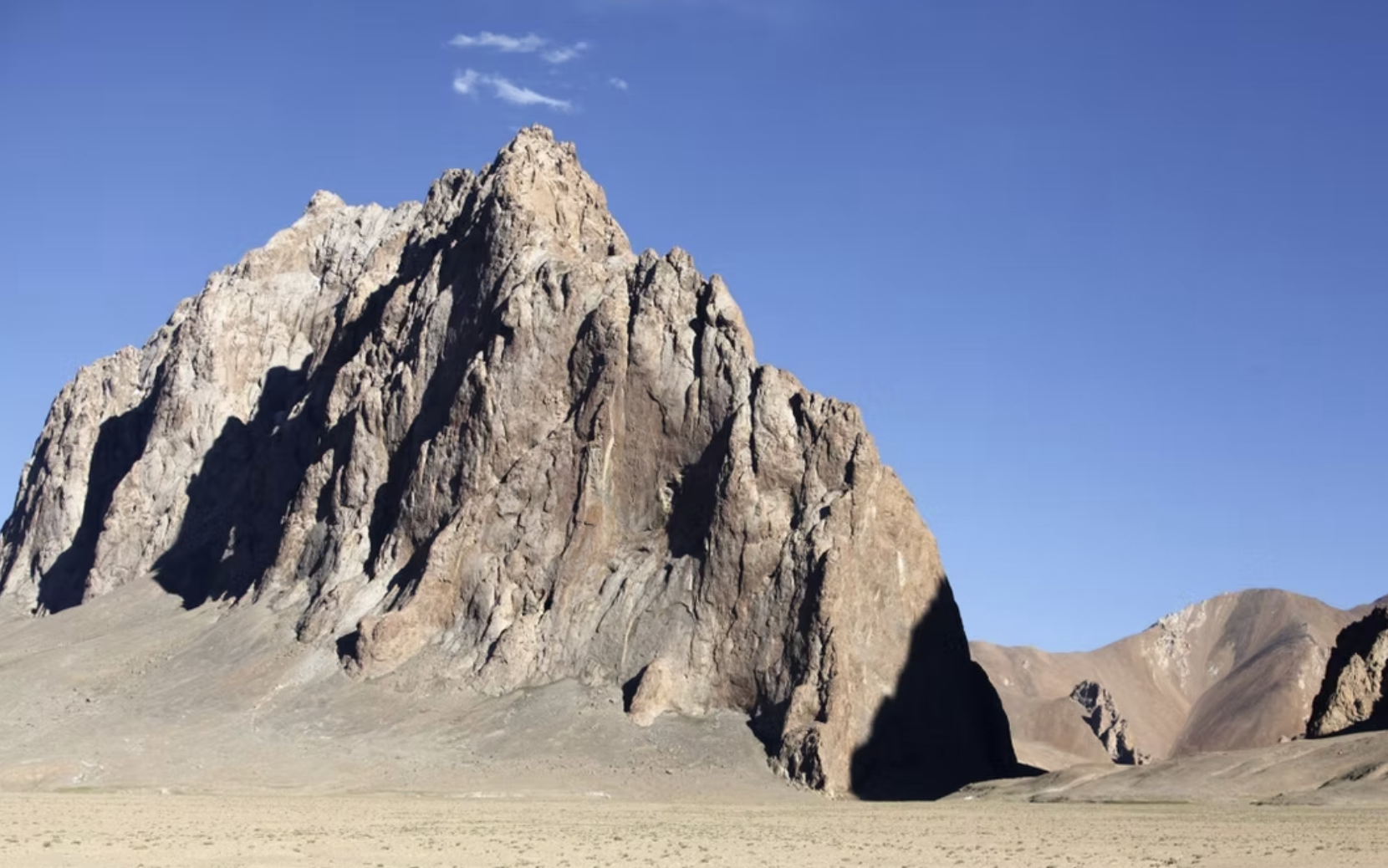
This is a true high-altitude riding expedition through East Badakhshan in Tajikistan — one of the most remote and least-travelled regions on earth.
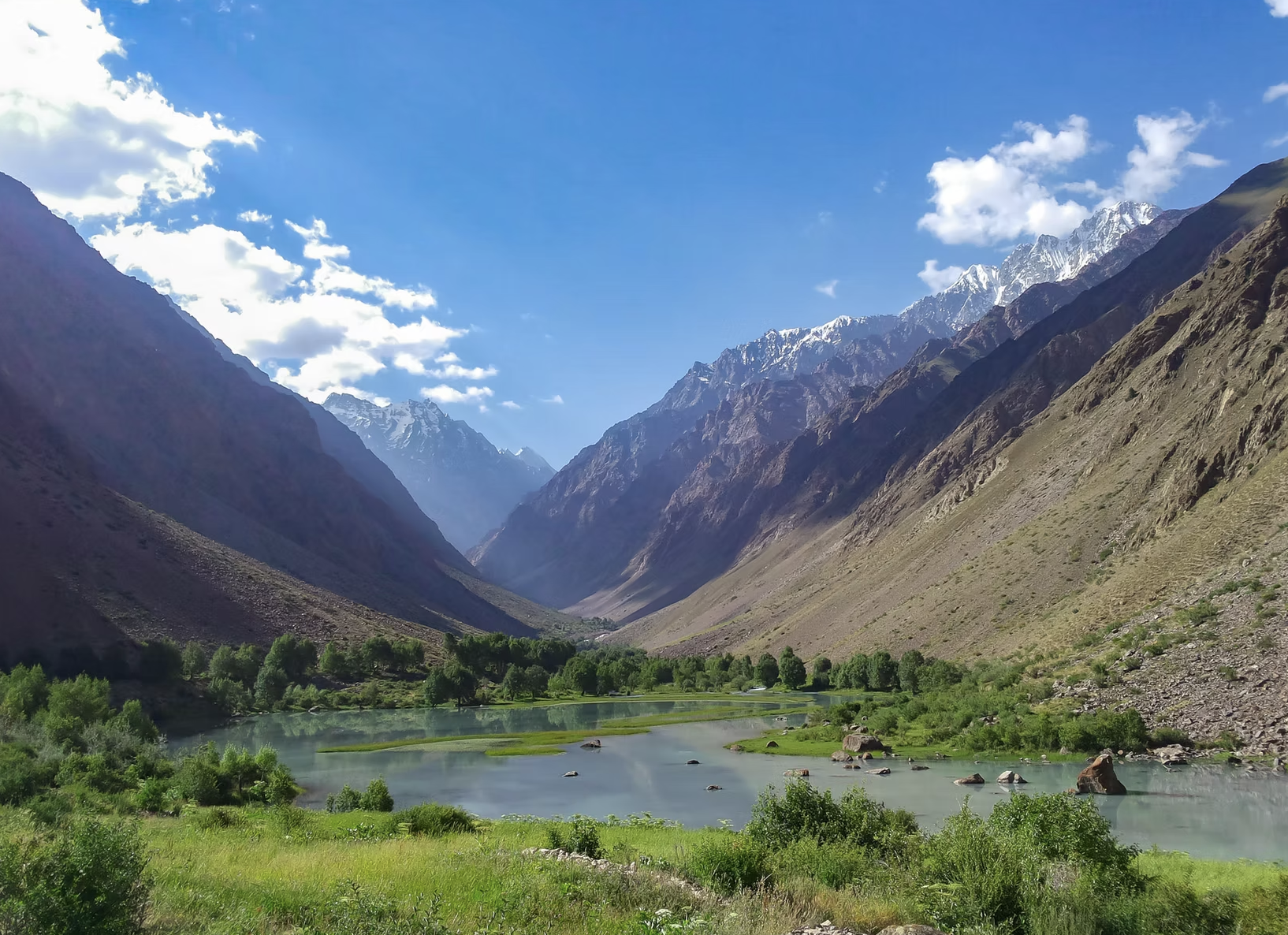
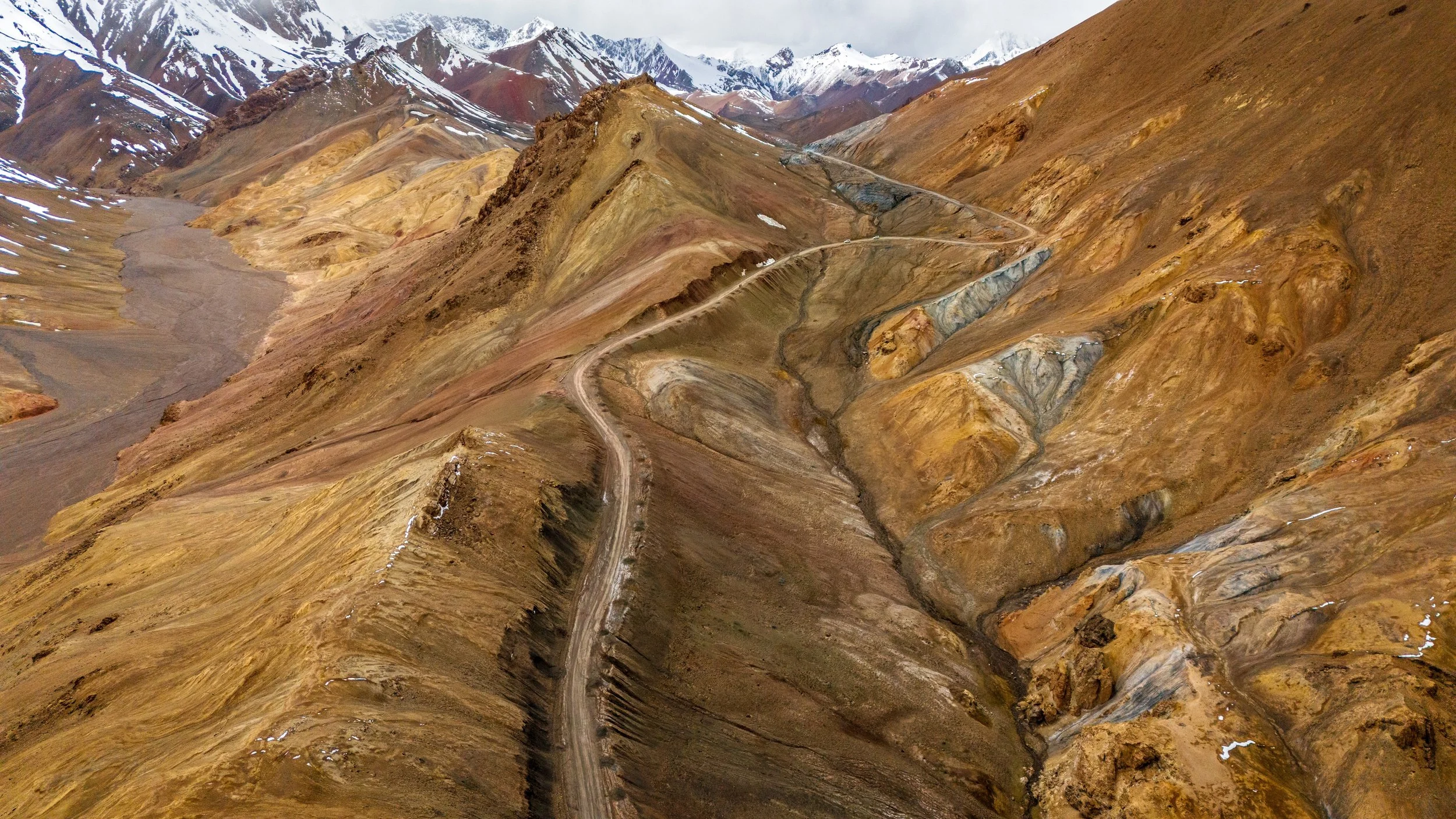
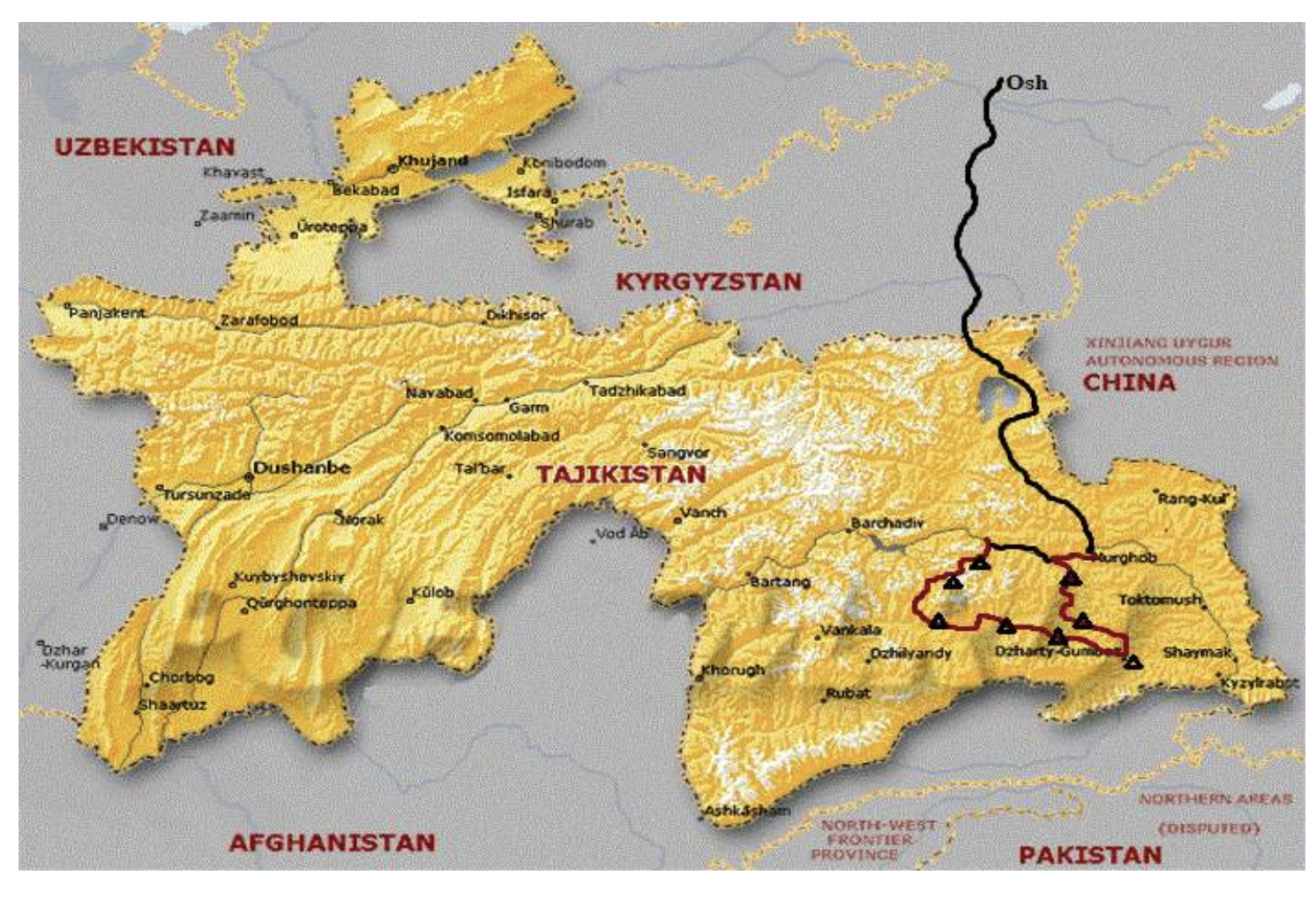
The journey begins in Osh, Kyrgyzstan, crossing the Alai Valley and high mountain passes into the Pamirs, often called the “Roof of the World”. From Murghab, the route continues entirely on horseback, riding through vast plateaus, dramatic valleys and high summer pastures shaped by centuries of nomadic life.
Days in the saddle are long and immersive, crossing rivers, climbing ancient passes and moving through landscapes defined by scale, silence and altitude, with peaks rising above 4,500 metres. Wildlife sightings may include Marco Polo sheep, ibex and yak, while cultural highlights range from ancient petroglyphs to natural hot springs hidden deep in the mountains.
This is a small-group exploratory ride for the fit and the brave!
LET’S RIDE
TRIP HIGHLIGHTS
Ride across the remote Eastern Pamirs, the legendary “Roof of the World”
Cross high-altitude passes including Ak-Baital (4,655 m), the highest point of the journey
Journey from Kyrgyzstan into Tajikistan via the Alai Valley and Kyzyl-Art Pass
Explore vast plateaus, desert valleys and dramatic mountain corridors on horseback
Visit ancient Shakhty petroglyphs dating back to 8000–5000 BC
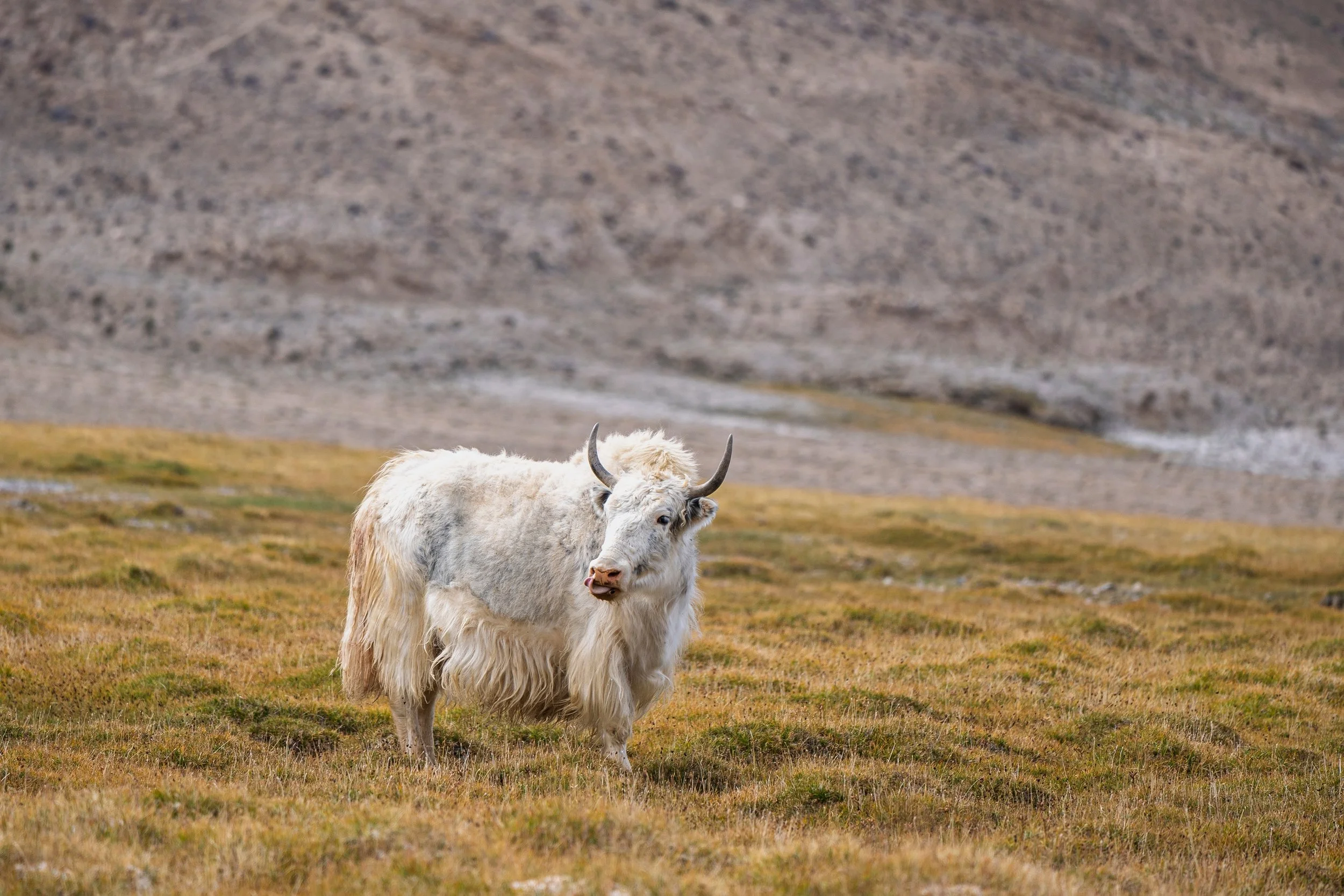
Spot wildlife including Marco Polo sheep, ibex, marmots and yak
Visit the Snow Leopard Sanctuary on horseback
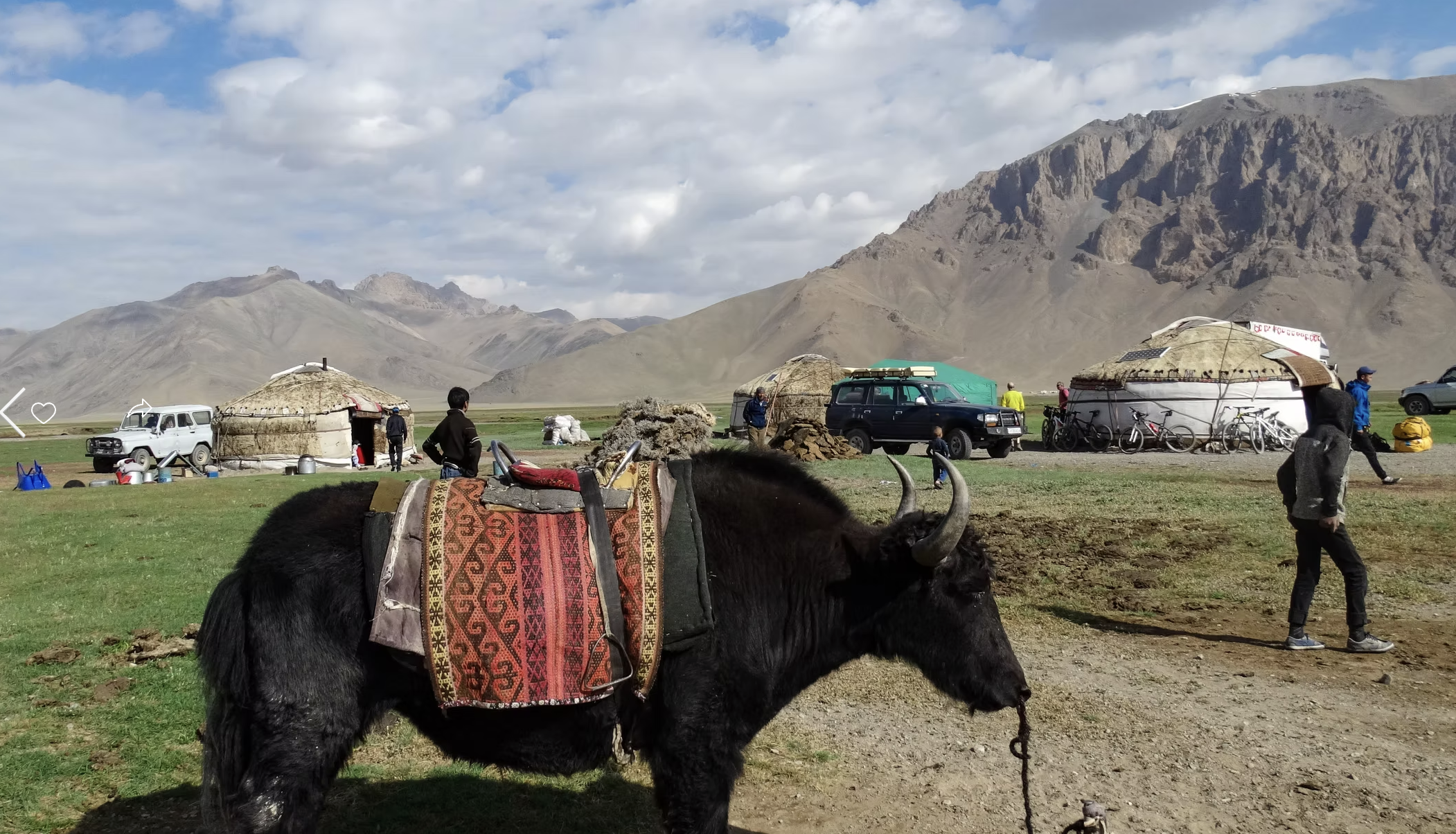
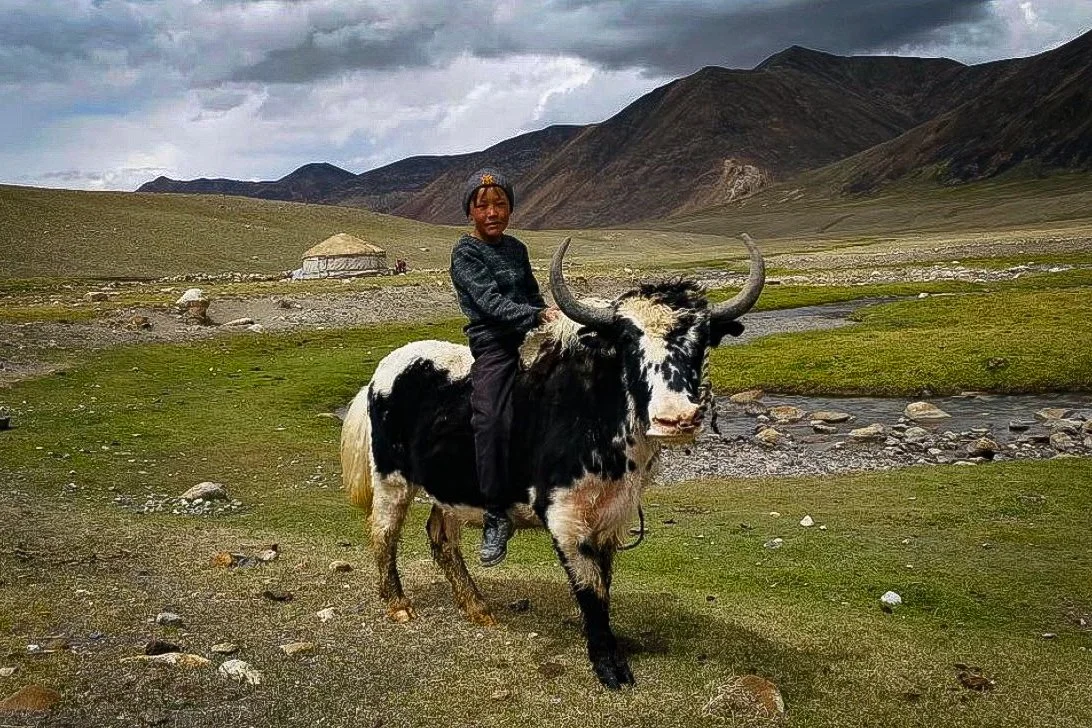
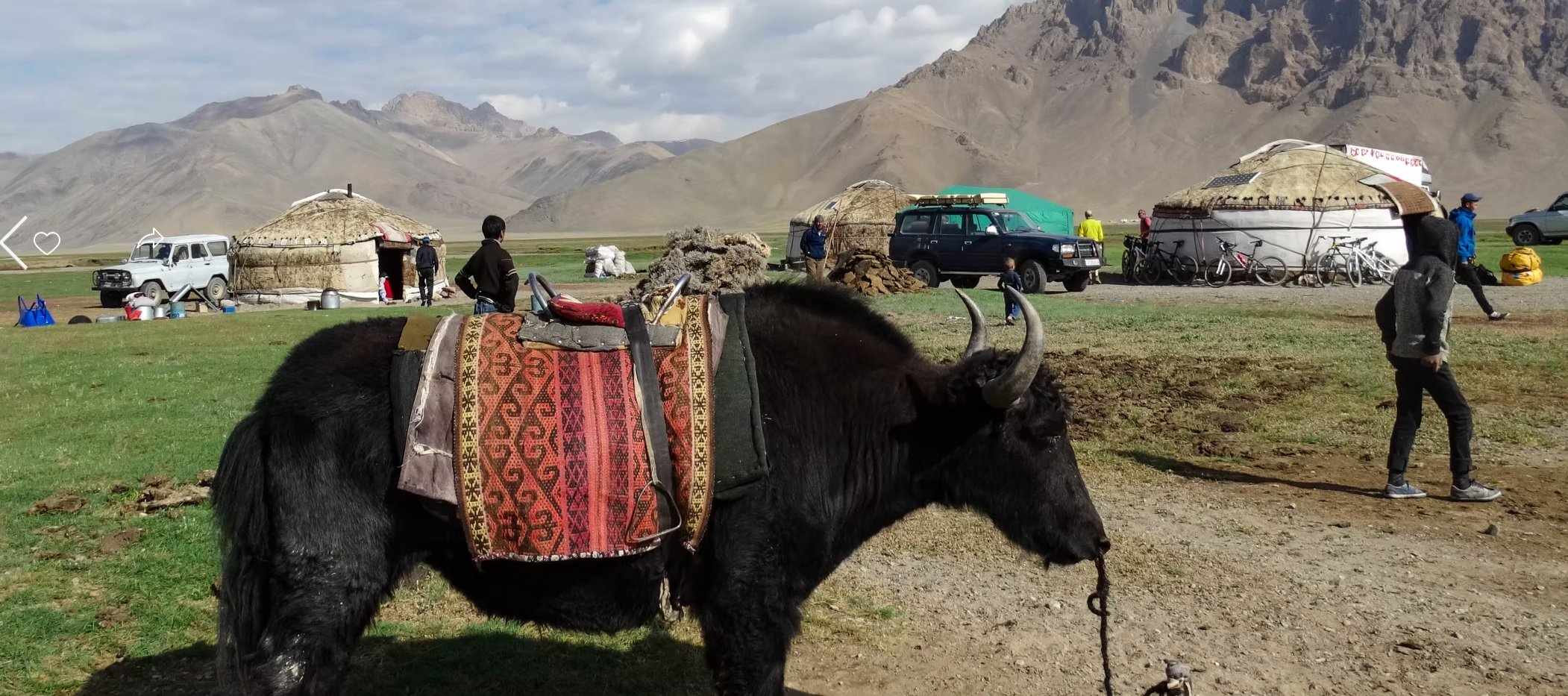
Try riding a yak
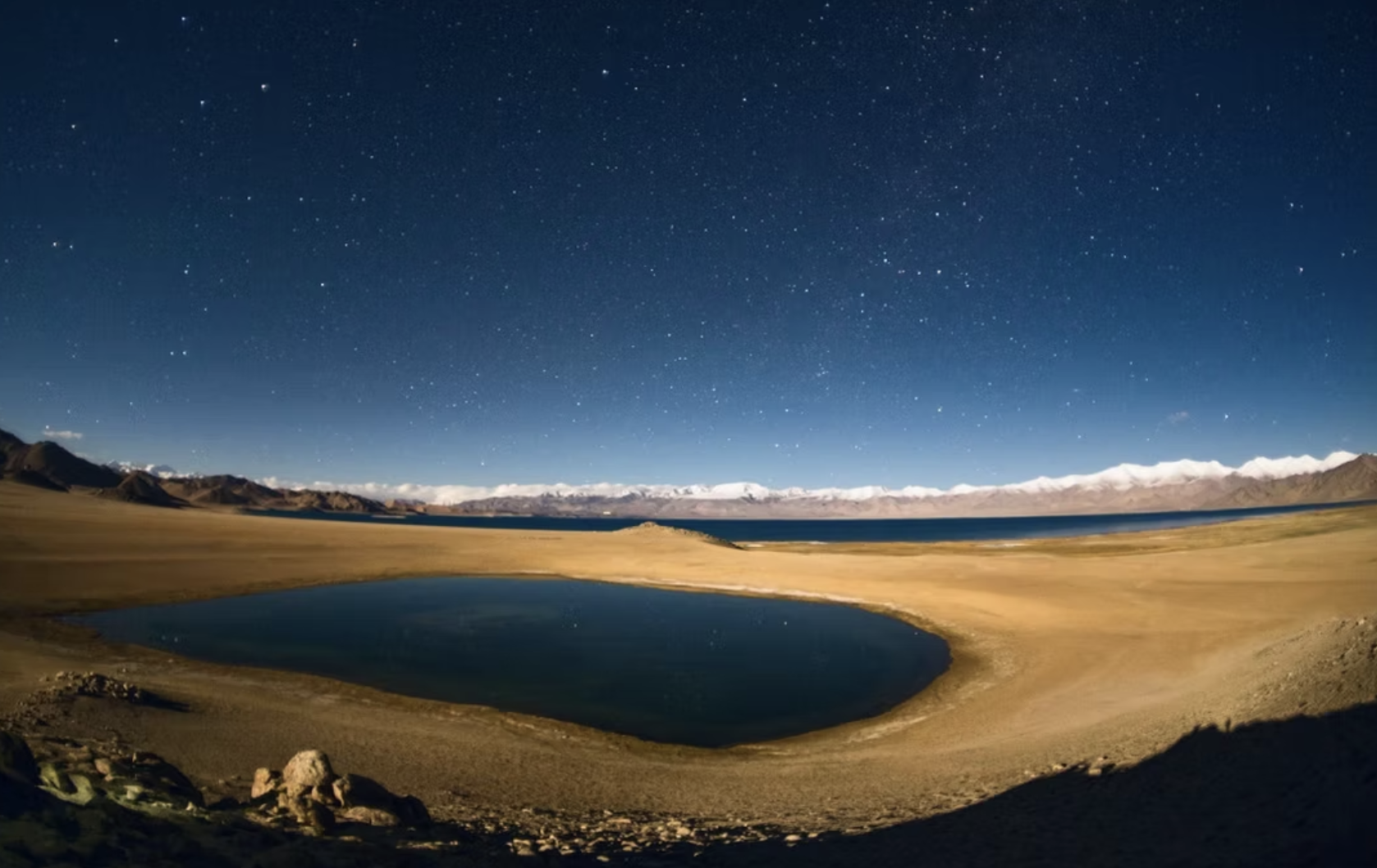
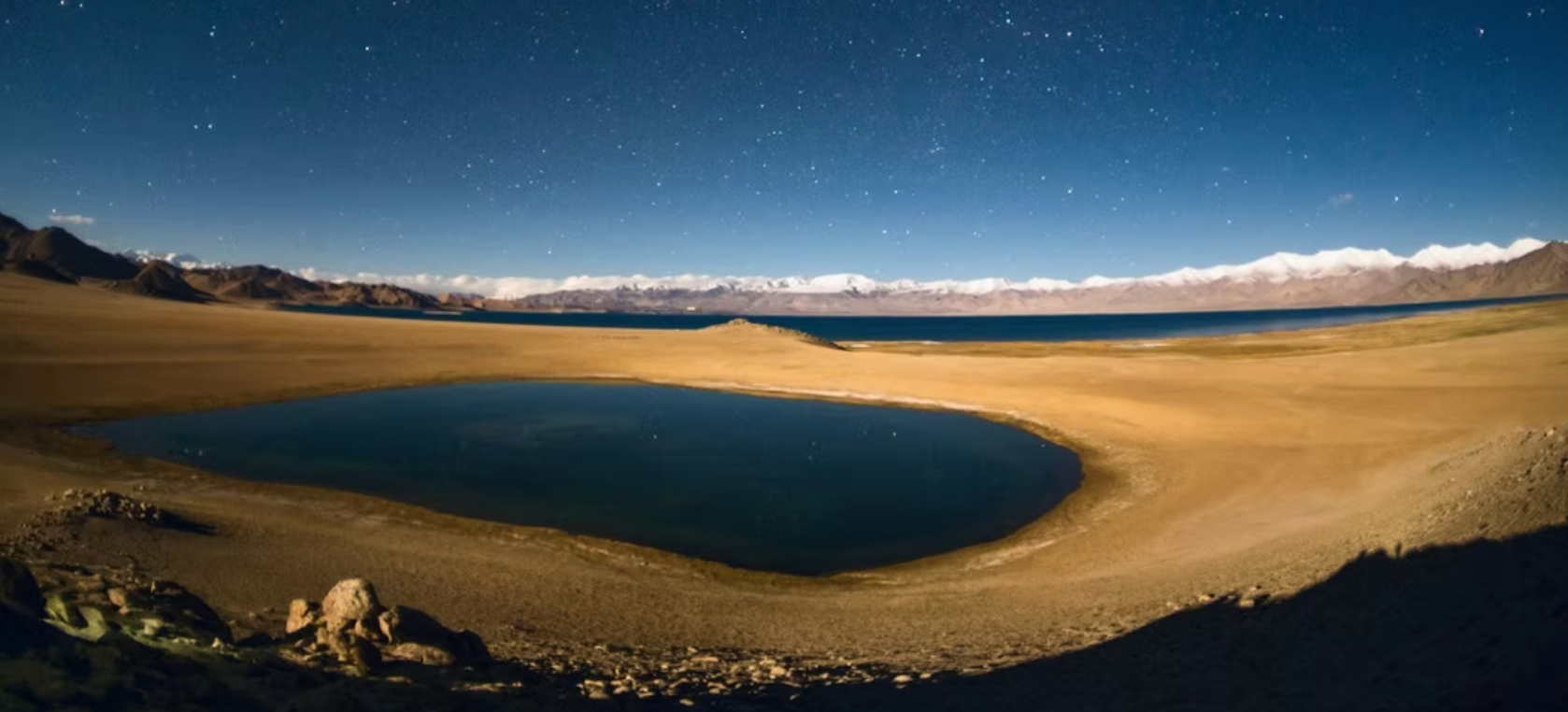
Camp under some of the clearest night skies in Central Asia
Travel with an experienced local riding team, guide and support crew throughout
OVERVIEW
RIDE GUIDE
Duration: 11 Days / 10 Nights / 9 Days Riding
Cost: £2,400 sharing.
Date: 05 - 15th August 2026
Max Riders: Six riders including Black Saddle host
Arrival / Depature: Osh, Kyrgyzstan
Riding Level: Advanced. 10+ years riding with excellent horse sense and natural balance.
Fitness: This ride is at high altitude in unforgiving mountains. You should be fit and have some experience in high altitude to understand how your body responds.
Weight Limit: Maximum of 85kg/187lbs
Time in the saddle: 2 to 8 hours a day
HORSES
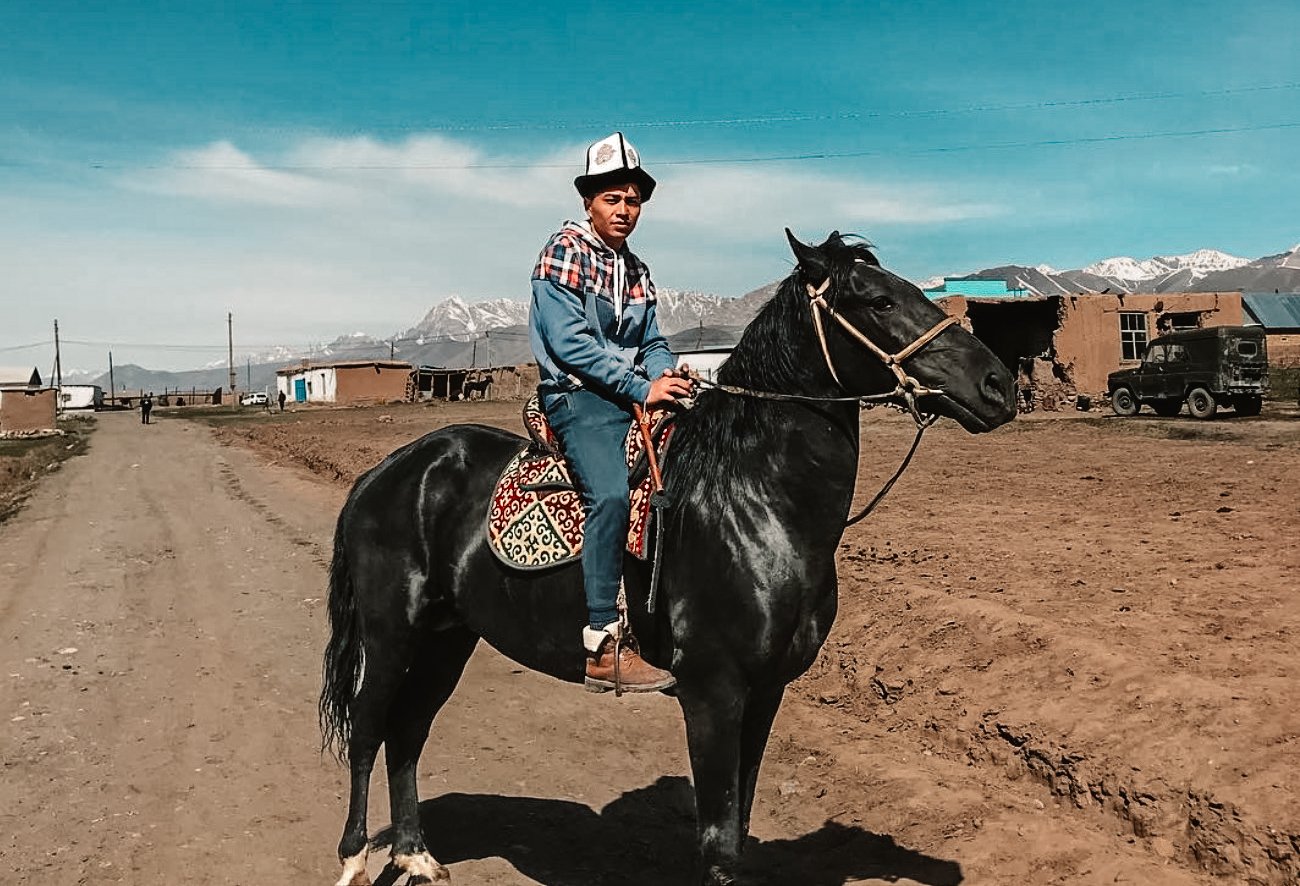
Tajik horses are typically smaller, around 15h and perfectly adapted for the high altitude where a smaller body to heart ratio is most efficient.
Tack is a lower quality that what we are used to in the west but very comfortable. A wooden saddle tree is balanced on layers of thick felt saddle pads and covered with a cushion for comfort. Bridles are simple canvas or raw-hide leather and bits sit loose in the horses mouth.
Saddle bags are canvas panniers and laid over the saddle under your cushion. Stirrups are usually worn shorter than how we ride at home and are only able to be adjusted minimally.
This ride has a strict 85 kilo weight limit so as not to overload the horses once the saddle bags are added.
ACCOMMODATION
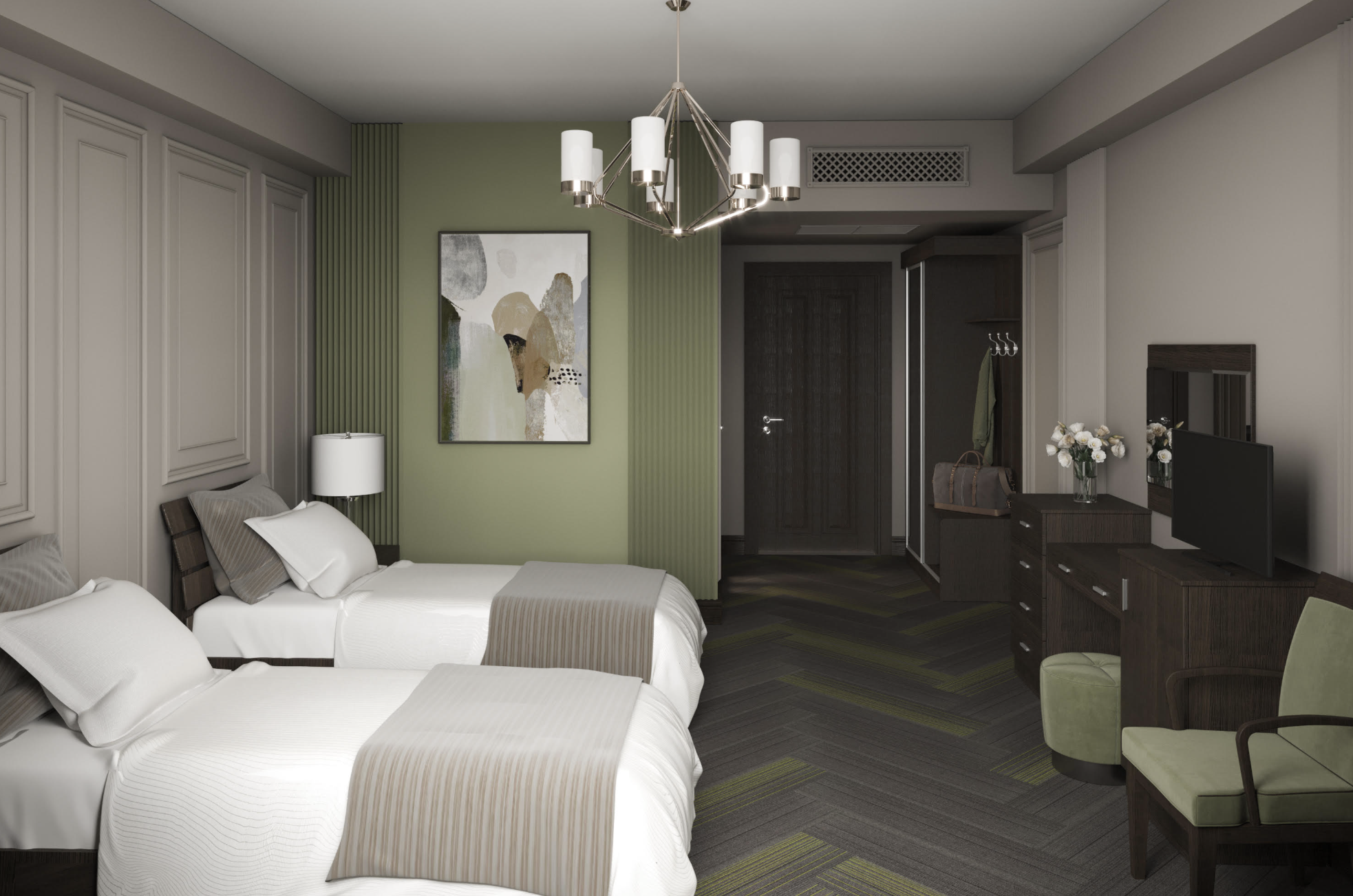
The tour starts in Osh, Kygyzstan and includes a border crossing. We highly recommend you arrive the day before the trip to rest and acclimatise, staying at the Classic Hotel.
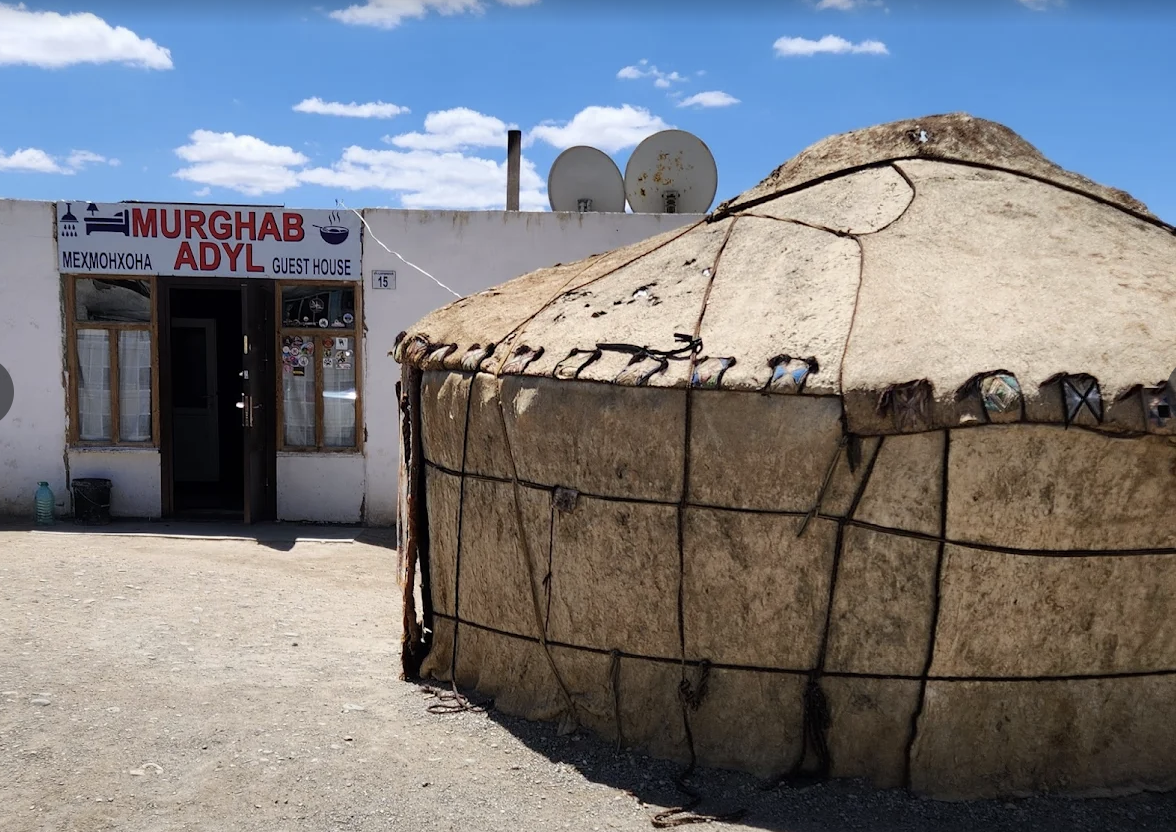
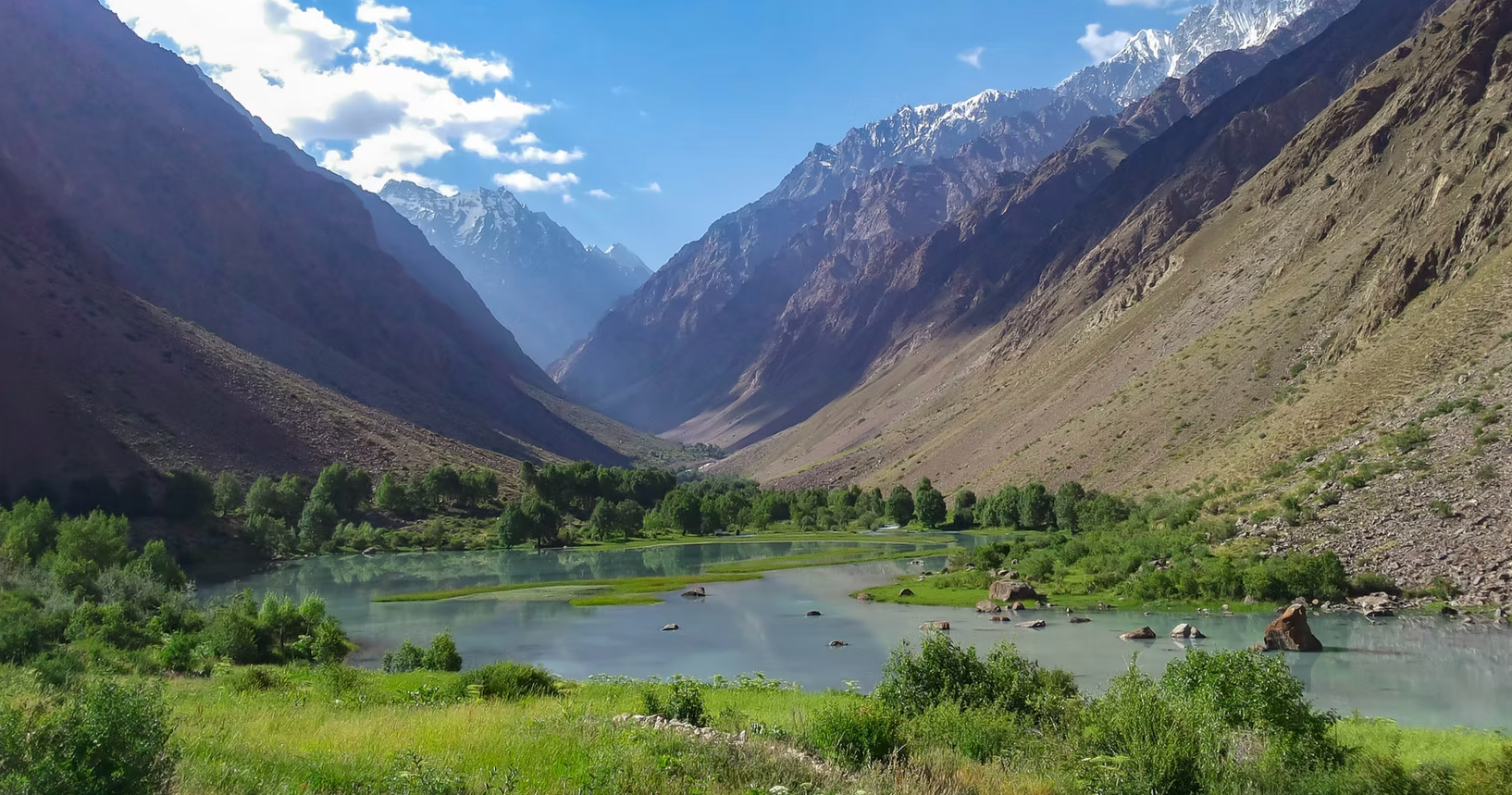
Night One: Adil Guesthouse, Murghab
Night Two: Tent Camp, Kara Suu
Night Three: Tent Camp, Kerege, Otok
Night Four: Guesthouse, Jartygumbez
Night Five: Tent Camp, Janbulak
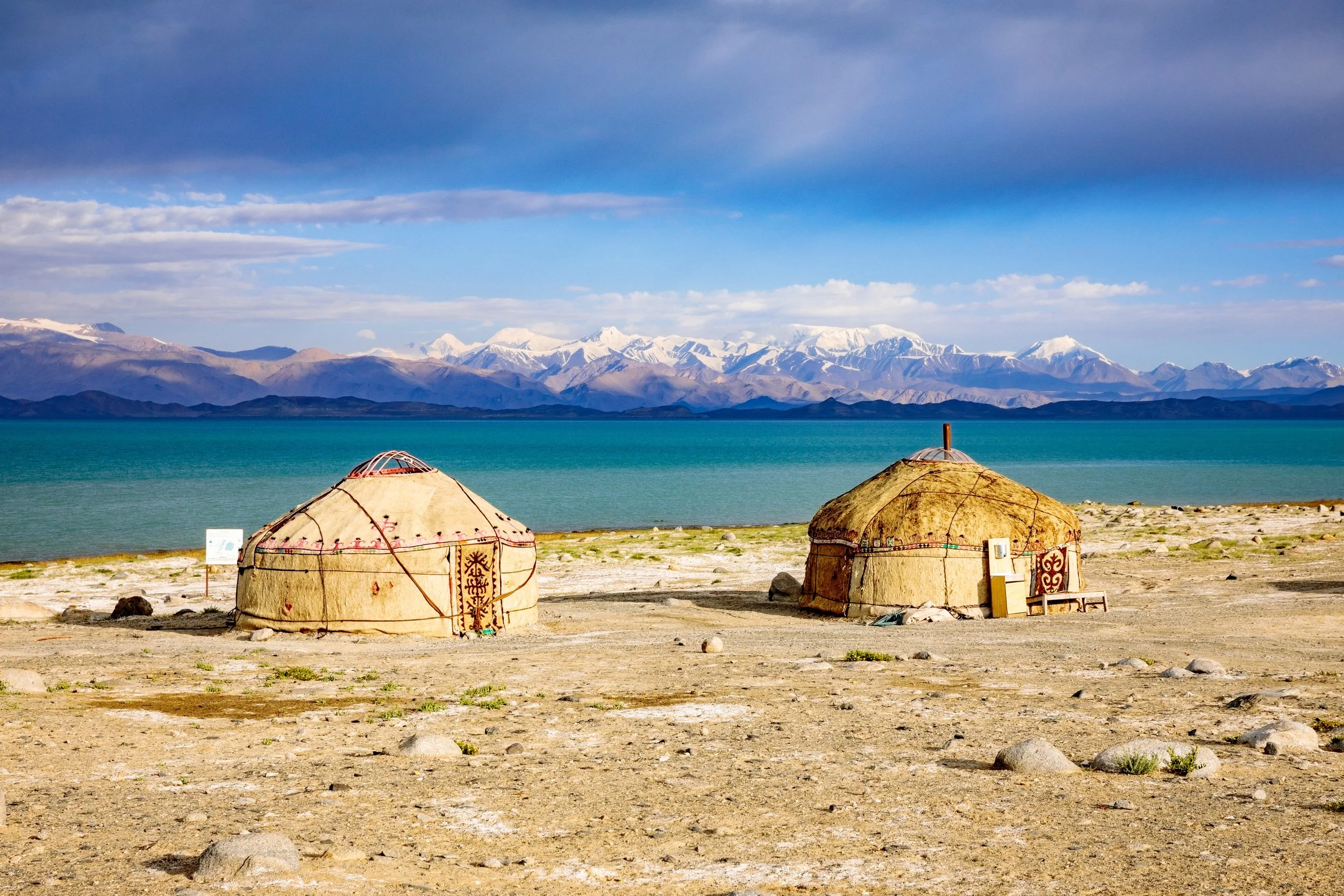
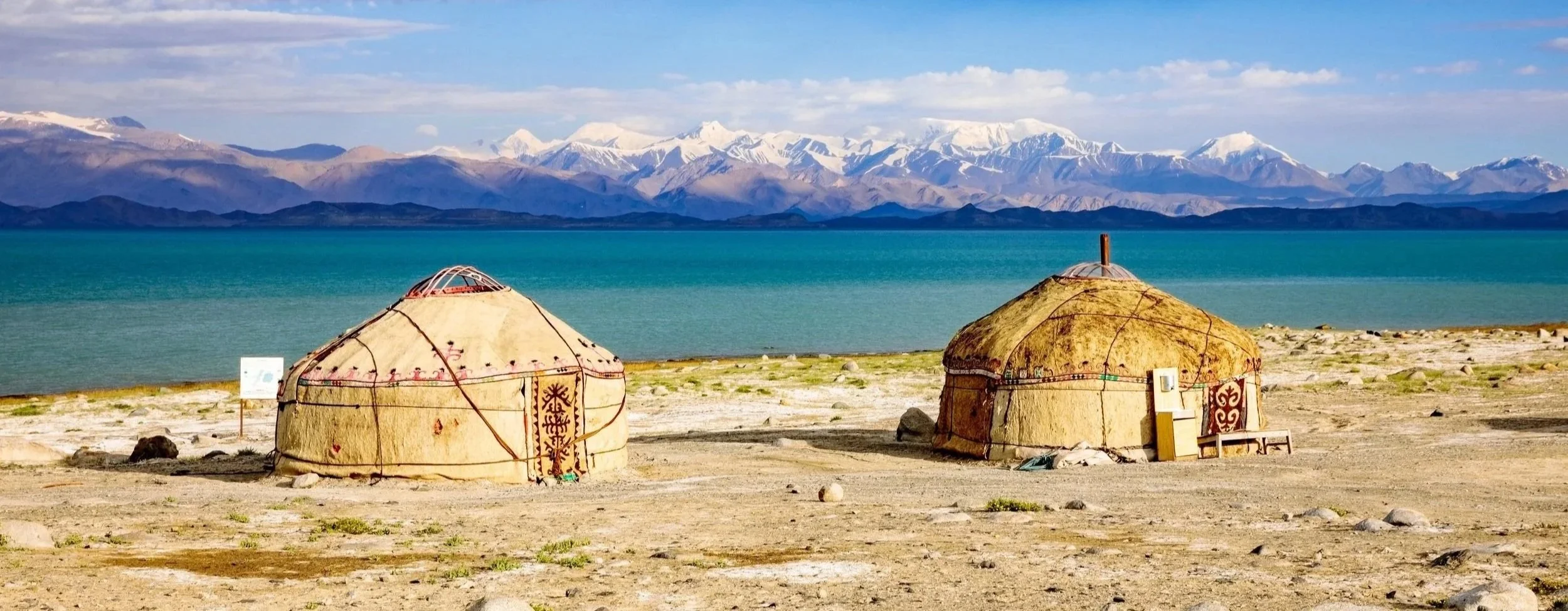
Night Six: Yurt Stay, Uch Kol
Night Seven: Homestay, Bashgumboz
Night Eight: Tent Camp, Bozteri
Night Nine: Tent Camp, Arkarkar
Night Ten: Guesthouse Baygashka, Zeravshan Valley
WHAT'S INCLUDED
All meals, accommodation (except sleeping bag and liner), horses, guides, transfers, sightseeing, park fees, bottled water.
WHAT’S EXCLUDED
The price does not include international or domestic flights, alcohol, mandatory travel insurance, or staff tips (£100 or equivalent).
You will need quality camping gear and hiking clothing for this ride. Expect to budget a few hundred £/€/$ to ensure you are comfortable and sleep well during the expedition.
RIDING
You must be an experienced, confident rider to join this ride. Because of the mountainous terrain most of the ride is at walk with few opportunities to gallop. We prefer life-long riders for our rides but you should have at least 10+ years regular riding experience and have a high level of general fitness.
The horses work hard at high altitude and so we only accept well balanced, experienced riders that will not push them unnecessarily and ride in a long loose rein on the mountain.
TRAVEL & VISAS
30-Day Visa-Free Stays:
European Union Member States: All
North America: USA, Canada.
Asia: Japan, South Korea, Malaysia, Singapore, Thailand, UAE, Brunei, Kuwait, Qatar, Saudi Arabia, Maldives, Indonesia, Philippines, Jordan, Sri Lanka
Oceania: Australia, New Zealand
South America: Argentina, Brazil, Chile, Ecuador, Cuba, Mexico, Venezuela
Europe (Non-EU): United Kingdom, Iceland, Liechtenstein, Monaco, Norway, Switzerland, Andorra, San Marino, Vatican City, Serbia, Montenegro
To enter Tajikistan, your passport must have an expiry date at least 6 months after the date you arrive and have at least 2 blank pages.
TRANSFERS
Our expedition starts and ends in Osh, Kyrgyzstan. You will need to arrive the night before to make the early departure time.
Turkish Airlines flies to Bishkek and you can then take an internal flight to Osh. You can drive from Bishkek to Osh but the roads are not great and the drive takes 10-11 hours.
Pegasus Airlines flies direct to Osh but is a more budget airline.
You can fly into the capital of Tajikistan, Dushanbe, but it will be your responsibility to transfer to Murghab to meet the group on the evening of the 5th of August. Add at least two hours to a quoted transfer time to account for delays.
MEALS
Food in the region is generally locally sourced and produced. It is simple in presentation but tasty and often organic. Fruit and vegetables are seasonally available. Vegetarians can be catered for but may find that in some places options are limited. A vegan diet is more complicated to adhere to since vegetarian options will usually rely on eggs, cheese, dairy, bread, fruit and local vegetables. Thus a vegan diet would mainly be bread, fruit and vegetables (salads etc). Vegan or vegetarian substitutes such as tofu and soy are starting to become more widely available in the cities. Gluten intolerances are becoming more widely known and some restaurants will be able to cater for a range of dietary requirements, but in the mountains and at family run guest houses this is difficult.
FITNESS
This is an expedition with long riding days at very high altitude. We will regularly camp above 4,000 meters where the human body can struggle to rest deeply. You must be fit to join this ride. You must also be resilient and able to stay in good humour under testing conditions. This is an exploratory ride and you will need to go with the flow as we try a new ride in a little-explored part of the world.
WHAT TO PACK
We will share a comprehensive packing list when you are confirmed on the ride. As the main portion of this ride is not car supported you will need to pack carefully so as not to overload your horse. To get the most out of the experience you will need to invest in quality camping equipment and hiking clothing to stay warm, well rested and expedition-ready.
INTERNET
You will be out of cell range for large portions of the ride. There will be a Garmin InReach and Starlink with the group for emergencies but plan to be offline for the majority of the ride.
Download an e-sim from Airalo and install before you arrive to be connected while in cell range.
Use our code BLACKS3976 to receive $3 off your e-sim credit.
DATES + RATES
The ride costs £2,400 (2026) 2027 pricing expected soon, per person sharing.
This is an exploratory ride. Returning Black Saddle riders are preferred for these rides which should run smoothly but as we are testing them for the first time they may not. You need to be up for the extra layer of adventure.
2027 dates expected soon. We will run two to four departures in July and August. Fill in a Rider Profile and we will email you the day they are released.
To make an enquiry you can fill in an obligation-free Rider Profile and we will get back to you with loads of information and availability.
GET IN TOUCH
Fill in an obligation-free rider form and we will share information on the ride
TAJIKISTAN
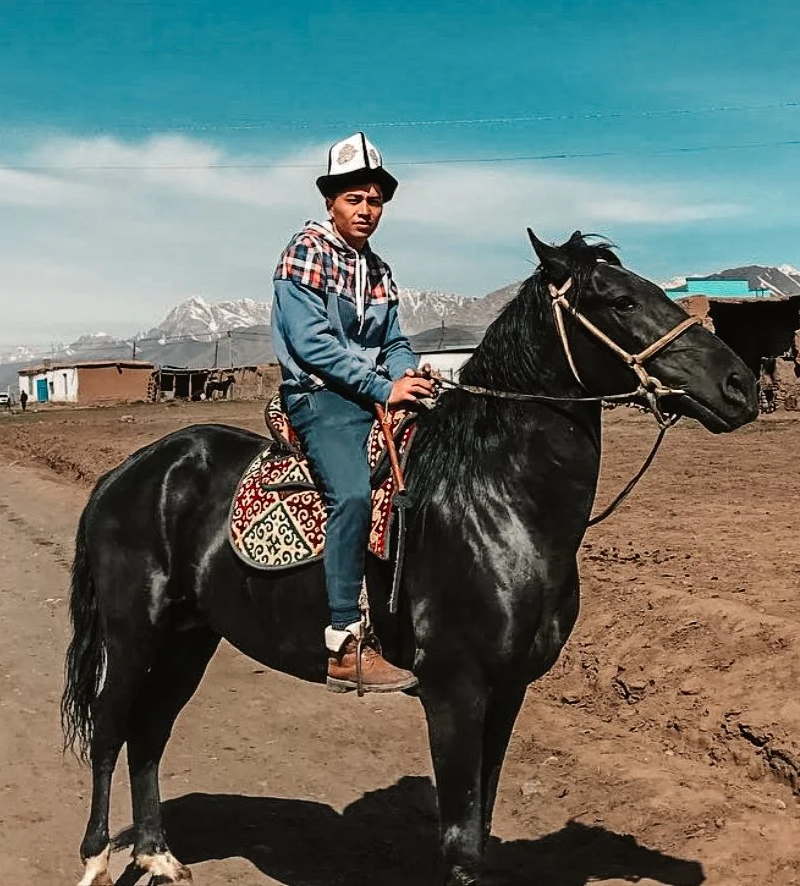
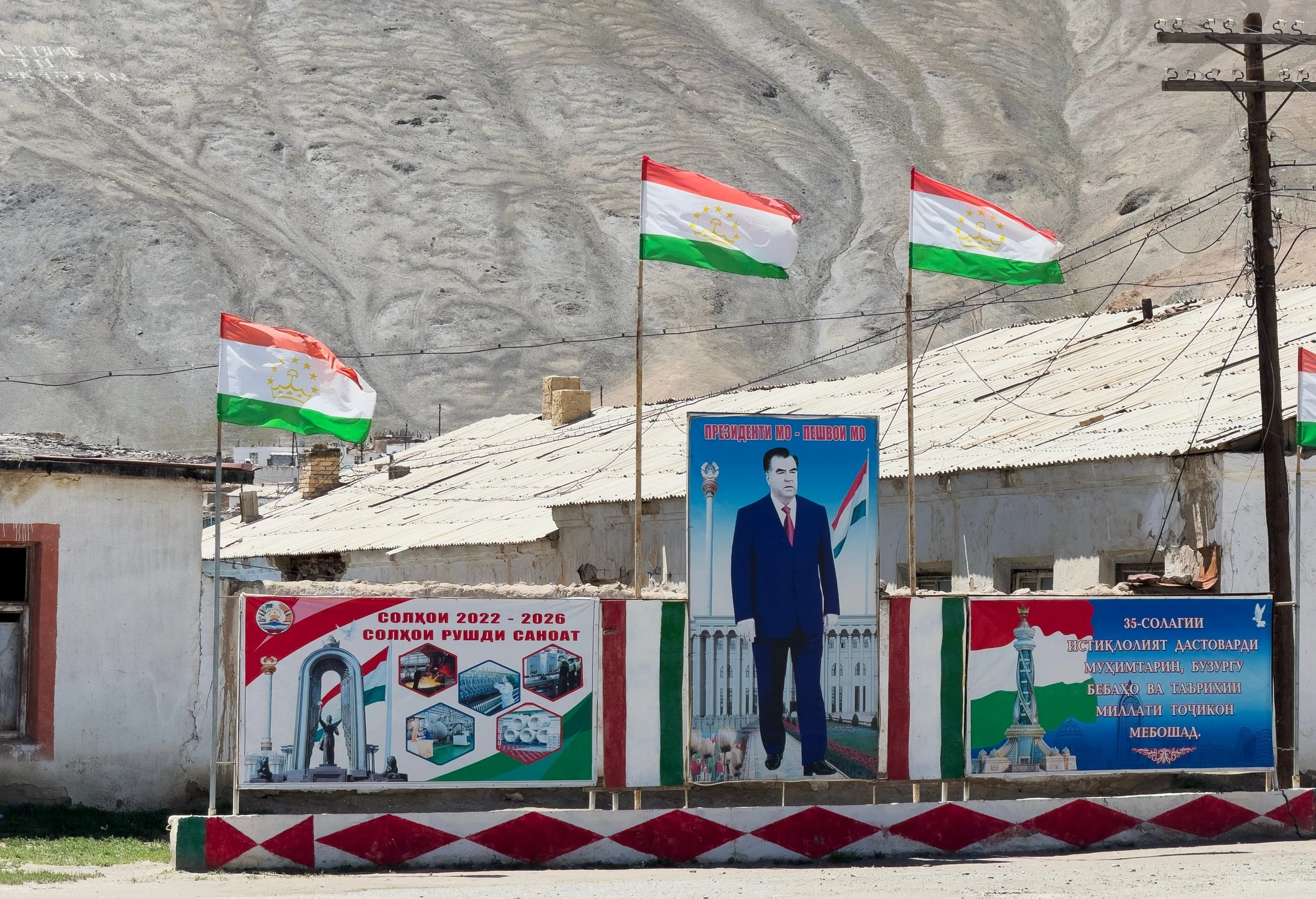
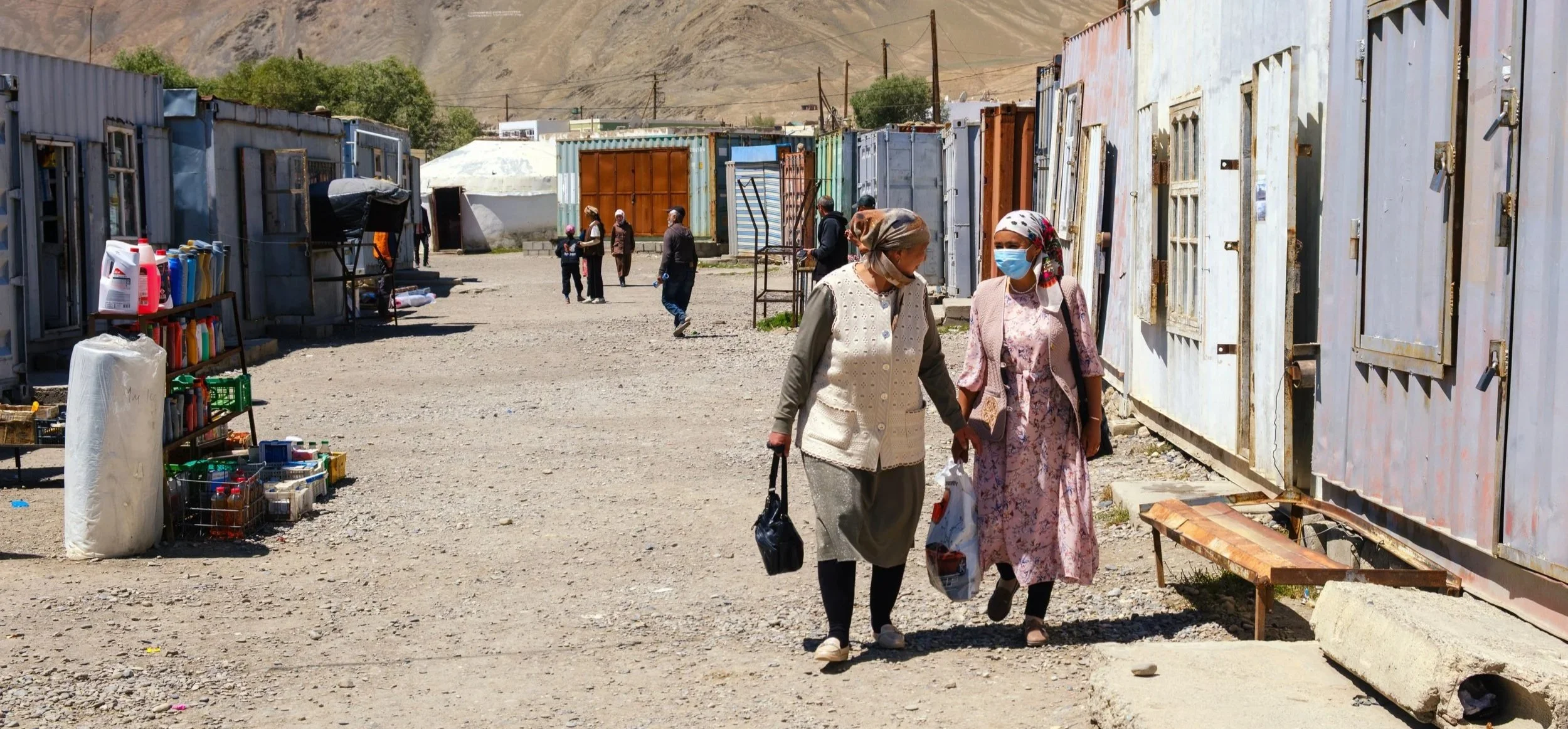
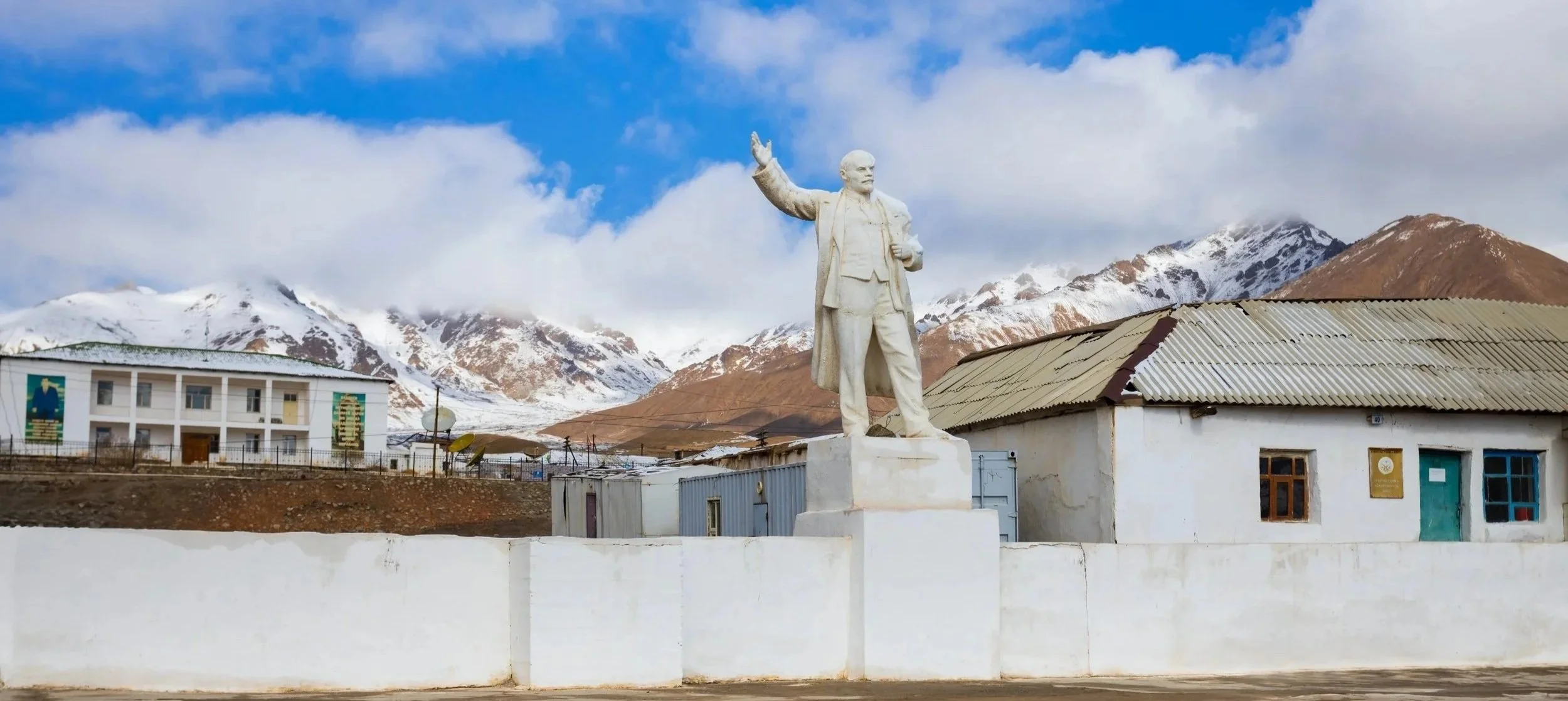
The people of eastern Badakhshan are Pamiris of Eastern Iranian origin, speaking Pamiri languages such as Shughni, Wakhi, Rushani, and Ishkashimi, distinct from Tajik Persian. Eastern Pamiris live alongside Kyrgyz pastoralists of Turkic origin, whose nomadic culture centres on horse herding, yurts, and seasonal migration, while religious life reflects a divide between Ismaili Shia Islam among Pamiris and Sunni Islam among Kyrgyz communities.
Tajikistan is defined by mountains. More than 90 percent of the country lies above 1,000 metres, and nowhere is this more evident than in the High Pamirs, a region long known as the “Roof of the World.”
For centuries, the Pamirs were not an edge of civilisation but a meeting point. High passes linked Central Asia, China, Persia, and the Indian subcontinent, forming part of the wider Silk Road network. Traders moved silk, jade, horses, and lapis lazuli through these valleys, while Buddhist pilgrims and later Islamic scholars followed the same routes, layering belief and culture across the plateau.
Successive Persian, Turkic, and Mongol empires passed through the region, yet the Pamirs were never fully controlled. The altitude, climate, and remoteness preserved local ways of life rooted in pastoralism and seasonal movement. Horsemanship remained essential, not ceremonial, shaped by survival rather than status.
In the 19th century, the High Pamirs became a geopolitical fault line during the Great Game between Britain and Russia. Borders were drawn by distant powers, dividing valleys and grazing lands that had been shared for centuries.
ITINERARY
-
As we will depart at 6am on Day 1 we highly recommend you arrive the day before the ride to relax after the flight and explore the ancient Silk Road city of Osh.
We recommend the Classic Hotel
-
Our driver will welcome you Osh airport or collect you from your hotel then drive to Pamir Alai aria via Alai valley. On the way stop for lunch in Sary Tash.
After lunch drive to Tajikistan East Pamir. You will cross the border of Kyrgyzstan Bordobo check point. After Kyrgyz check point 20 km drive up to Kyzyl Art pass 4,300m, exactly on the pass Tajik border control. After drive to amazing Kara Kul lake, further drive to Murghab over Ak baytal pass 4,655m.
Late evening we arrive in Murghab.
No riding.
Driving distance / time 420km / 7 - 8 hours.
Overnight at 3,540m in Adil guest house.
-
7:30 – Breakfast. Enjoy a hearty breakfast at the guesthouse before beginning today’s journey.
08:30 – Departure from Murghab. Leave Murghab by jeep and drive approximately 7km to Kara Domor, where your horses and the local horse-riding team will be waiting for you.
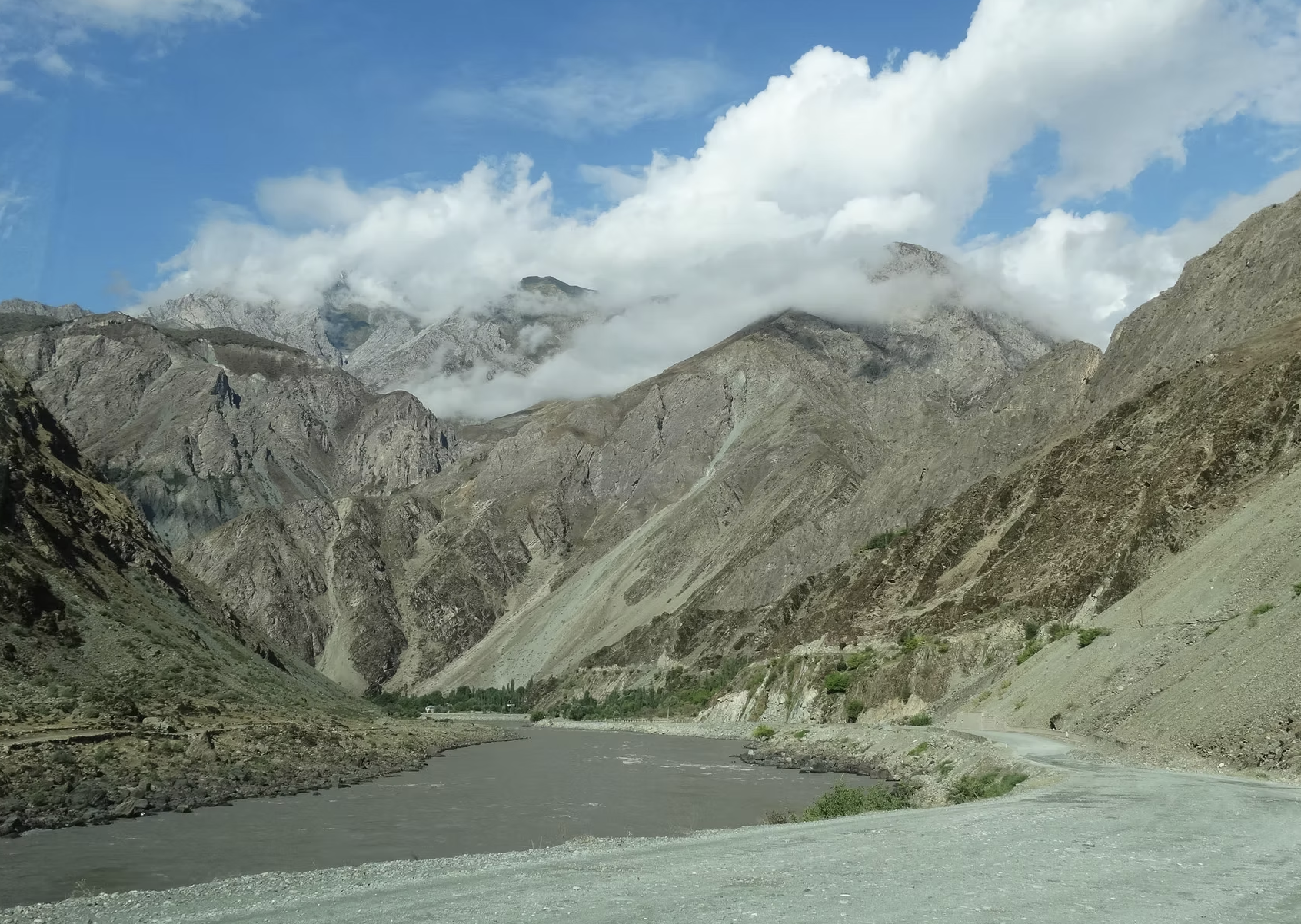
After a short briefing on the route and safety instructions, you will begin your horseback adventure towards Kara Suu. The ride starts with a crossing of the Murghab River, after which the trail leads you into the impressive Jaman Tal Canyon.
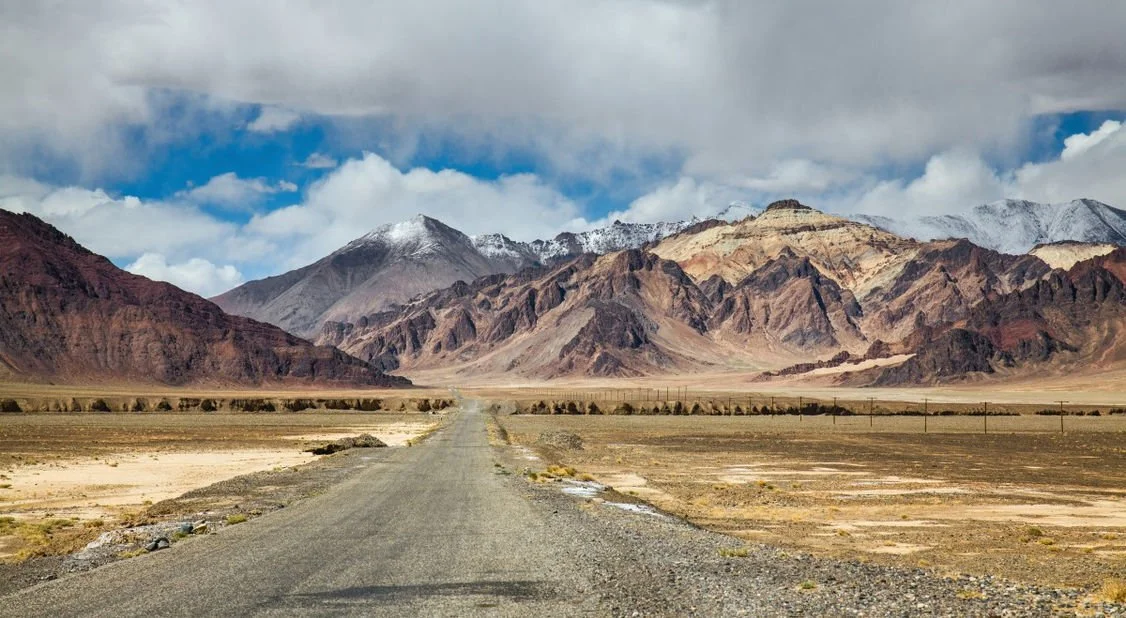
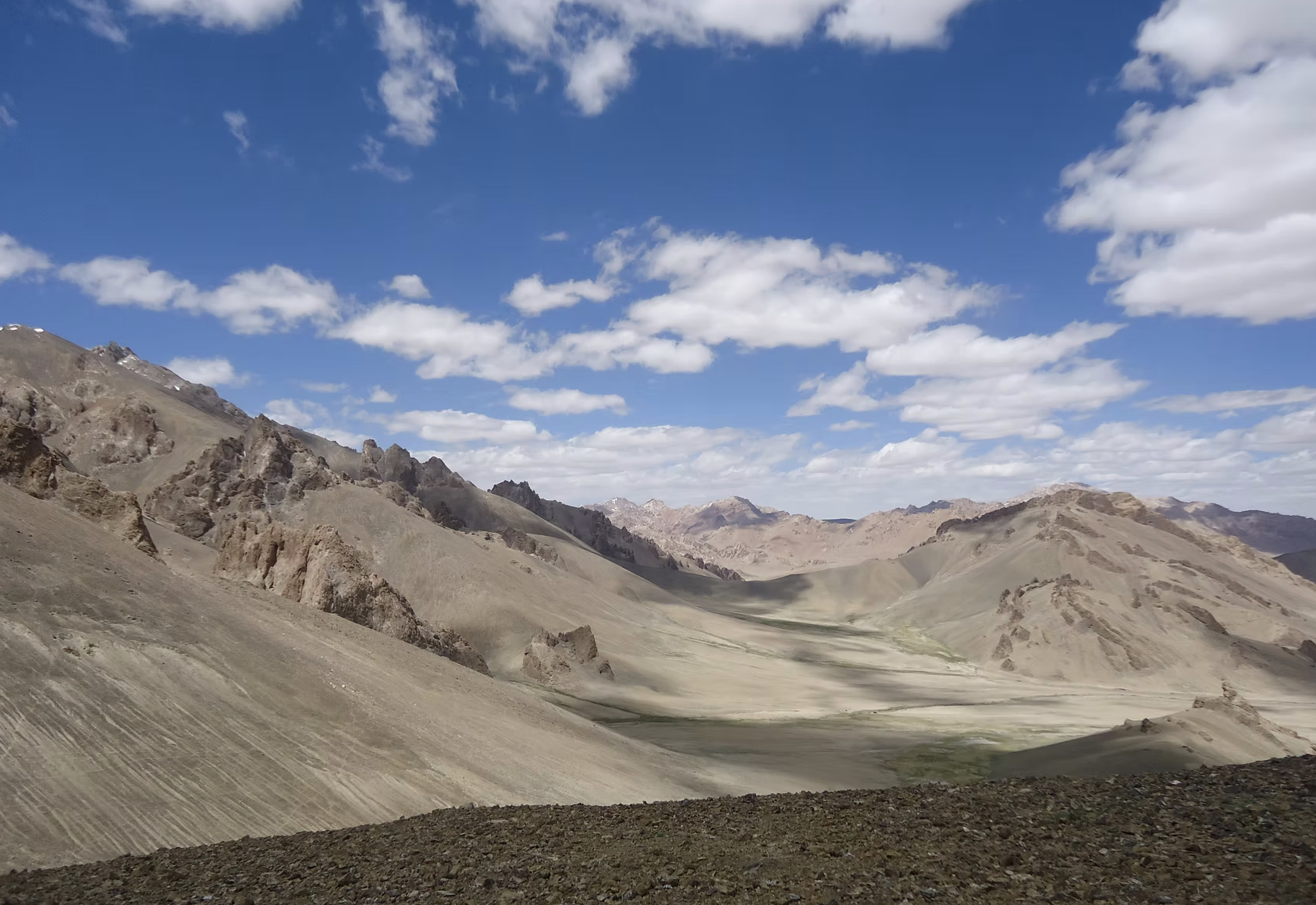
The landscape gradually opens up as you continue into the wide Taldi-Kol valley, surrounded by high-altitude desert scenery, dramatic rock formations, and sweeping mountain views.
A picnic lunch at 12:30 will be served, allowing you to rest and take in the peaceful atmosphere of the Pamir highlands.
After lunch, the route continues over a small mountain pass, offering beautiful panoramic views of the surrounding valleys, before descending gently towards Kara Suu.
Arrival to the edge of Kara Suu in the late afternoon.
Riding 25km / 7 - 8 hours.
Overnight at 3,600 m in a tent.
-
8:30 – Breakfast. Enjoy breakfast at the campsite before beginning today’s ride.
9:30 – Departure. In the morning, you will start your horseback journey towards Kerge Otok. As you leave the valley, the landscape gradually becomes drier and more desert-like, opening into wide, vast plains where you can see far across the entire area.
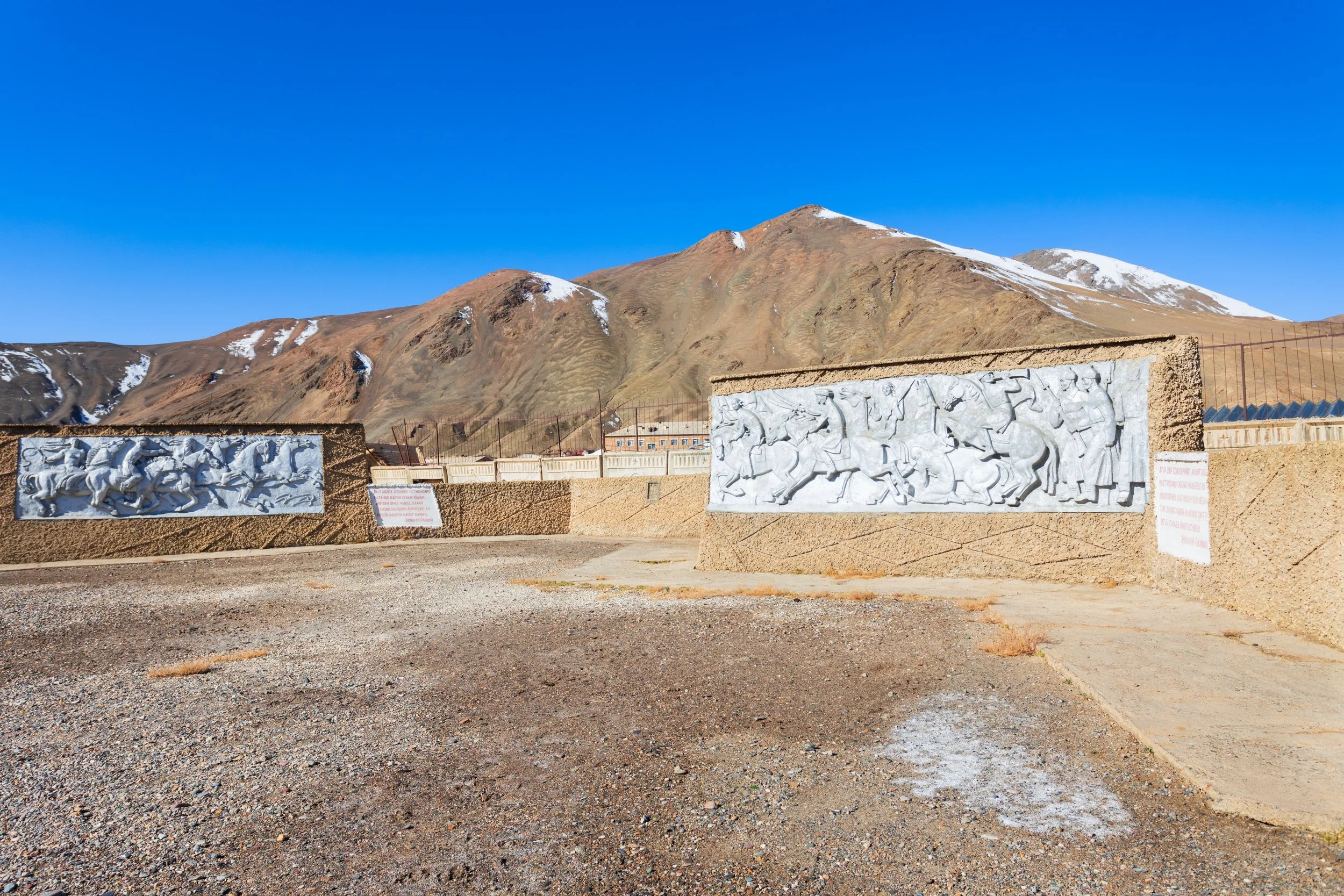
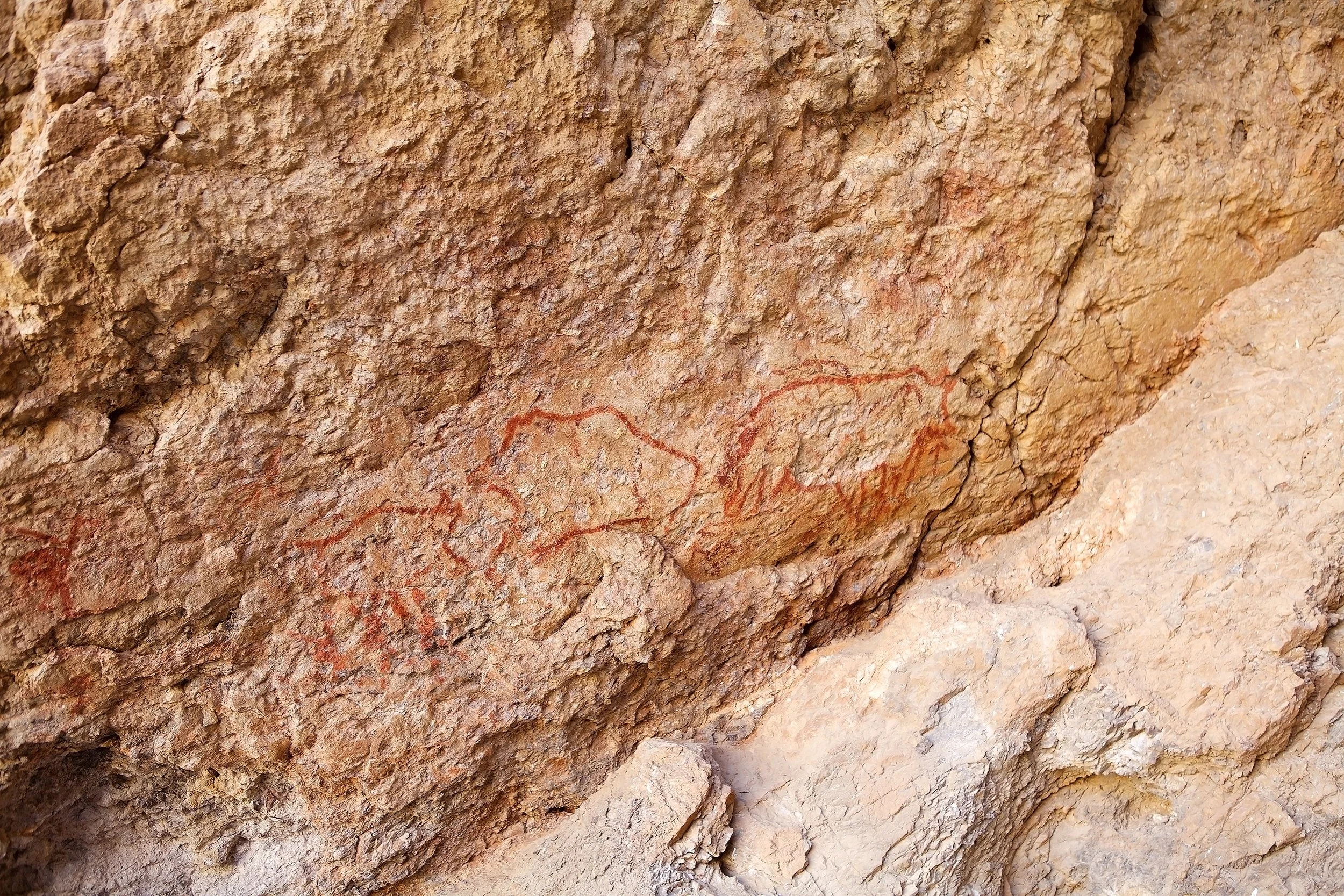
Along the way, we will stop to visit the historical Shakhty rock paintings (4,200 m). These ancient petroglyphs date back to the Neolithic period.
Among the most notable figures are three similar human-like shapes positioned beneath an image of an animal. This composition has often been compared to the clavicorn figures found in Paleolithic art.
The famous Russian Archaeologist B. Ranov carried out extensive research at this site. The paintings are believed to date from approximately 8000–5000 B.C.
After visiting Shakhty, the route continues through a valley locally known as “Restaurant Valley.” Here, between two large stone formations that resemble gates, you will stop for lunch at a small tea house after Vanj.
In the afternoon, you continue riding towards Kerge Otok. You will arrive in the late evening and set up camp for the night.
Riding 35km / 7 - 8 hours.
Overnight at 3,980m in a tent.
-
8:30 – Enjoy breakfast before setting out for today’s ride.
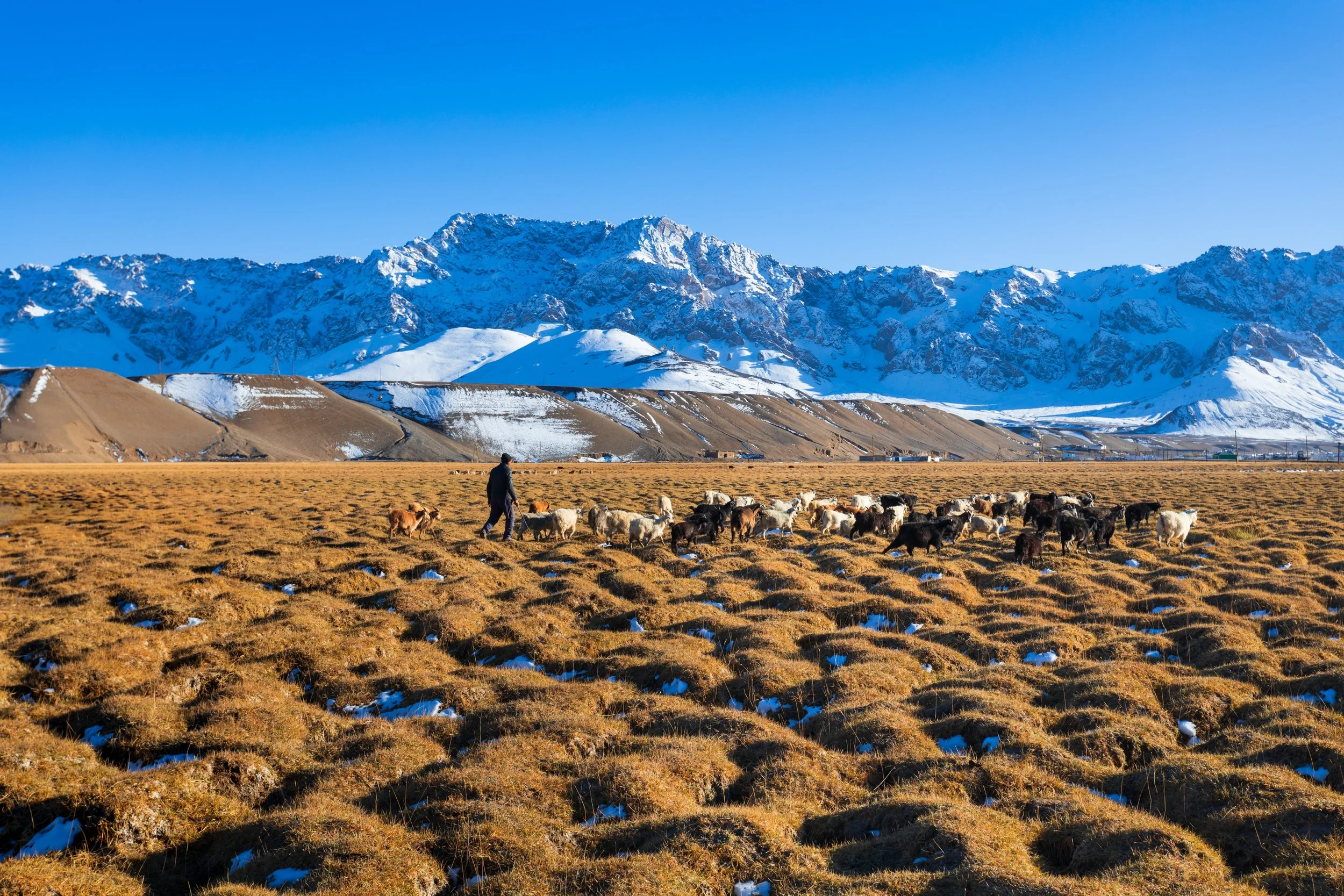
9:30 – Departure. This morning, we continue our horseback journey towards Jarty Gumbez, crossing long, flat open terrain. The landscape offers wide, sweeping views, and the soft ground provides excellent conditions for the horses. Along the way, we will stop for a picnic lunch in the summer pastures used by local shepherds.
This peaceful high-altitude grazing area is a wonderful place to rest and observe traditional pastoral life.
After lunch in the Jizeive valley, you will continue riding towards the Jarty Gumbez hot springs.
Here, a comfortable guesthouse awaits you, featuring a natural hot pool filled with crystal- clear geothermal water — perfect for relaxing after a day of riding.
Arrival is expected in the late afternoon.
Riding 29km / 6 - 7 hours.
Overnight at 4,100 m in a guest house.
-
8:00 Breakfast.
9:00 Departure. This morning we set off once again on horseback, continuing our journey toward the Janbulak summer pasture. The trail leads us gradually upward to the small but impressive Mashaaly Pass, reaching an altitude of 4,500m
After the pass, the ride follows a gentle, scenic route through peaceful high-mountain landscapes. As we travel, there will be many opportunities to observe local wildlife — including Marco Polo sheep, ibex, marmots, yaks, and large herds of domestic sheep — all typical of this high-altitude region.
We will stop for a picnic lunch at a comfortable and convenient spot along the way, taking time to enjoy the quiet surroundings and impressive views.
By late evening, we reach the Janbulak pasture, where we settle in for the night.
Riding 32km / 7 - 8 hours.
Overnight at 4,200 meters in Ren homestay.
-
08:00 Breakfast.
09:00 Departure. This morning we set out on our journey toward the Uch Kol region. From the top of the pass, wide open views of the high plateau and distant mountain ranges unfold — a truly breathtaking panorama.
We ride across a long, flat expanse characteristic of this high-altitude landscape. The scenery is vast, quiet, and dramatic, making today one of the more memorable riding days. It is also a long stage, so we take a break on the way for a relaxed picnic lunch before continuing toward the Uch Kol summer pasture. By late afternoon, we arrive at our destination and settle in.
Riding 40km / 8 - 9 hours.
Overnight at 4,150m in Mish homestay.
-
7:00 Breakfast.
7:30 Departure. This morning we set out on our journey toward Bashgumbez village. The route first takes us across a long, open plateau before we ascend the Karaseki Pass, reaching an elevation of 4,700m.
From the top, the views of the surrounding high mountains and valleys are truly spectacular. Along the way, we stop for a picnic at a shepherd’s yurt beside Yashilkul lake, where we can enjoy the serene atmosphere and observe the traditional nomadic lifestyle.
After the break, we continue our ride toward the small, picturesque village of Bashgumbez.
By late afternoon, we arrive in the village and settle into a local homestay, where we have the chance to experience authentic Kyrgyz culture and hospitality.
Riding 25km / 5 - 6hours
Overnight at 3,800m in the Adil guesthouse.
-
7:00 Breakfast.
7:30 Departure. This morning we set out once again on horseback, heading toward Bozteri. The route takes us through traditional Kyrgyz summer pastures and stretches of long, flat highland terrain, offering wide-open views of the surrounding mountains and valleys. Along the way, we cross the famous Pamir Highway, a remarkable high-altitude road that winds through some of the most stunning landscapes in the region.
After the highway, we ascend into the scenic Bozteri Valley, where the natural beauty is both peaceful and dramatic.
We pause for a picnic lunch amidst the serene surroundings of Ala-Kul Lake, enjoying the fresh mountain air and the quiet of the highlands.
By late afternoon, we reach the summer pasture, where we set up camp and settle in for the night.
Riding 25km / 6 - 7 hours.
Overnight at 3,900m in Yavuz hunting camp guesthouse.
-
8:30 Breakfast.
9:00 Departure. This morning we begin our ride into the Ak Arkar Valley, gradually ascending toward the Belayrik Pass at 4,350 m.
The climb offers spectacular views of surrounding peaks and valleys, with the high-altitude landscape becoming increasingly dramatic as we approach the pass. After crossing the pass, the terrain becomes steeper and rockier. In some sections, we may need to carefully lead our horses downhill to navigate the slopes safely.
The effort is well rewarded, as the descent opens onto a peaceful, scenic area with lush green grass. We stop for a picnic lunch at Murghab, enjoying the fresh mountain air and wide-open views.
Afterward, we continue a short distance to a suitable camping spot, where we set up for the night.
Riding 35km / 6 - 7 hours.
Overnight at 3,800m in a tent.
-
8:00 Breakfast.
9:00 Departure.
This morning we begin our ride descending into the vast and dramatic Madian Valley.
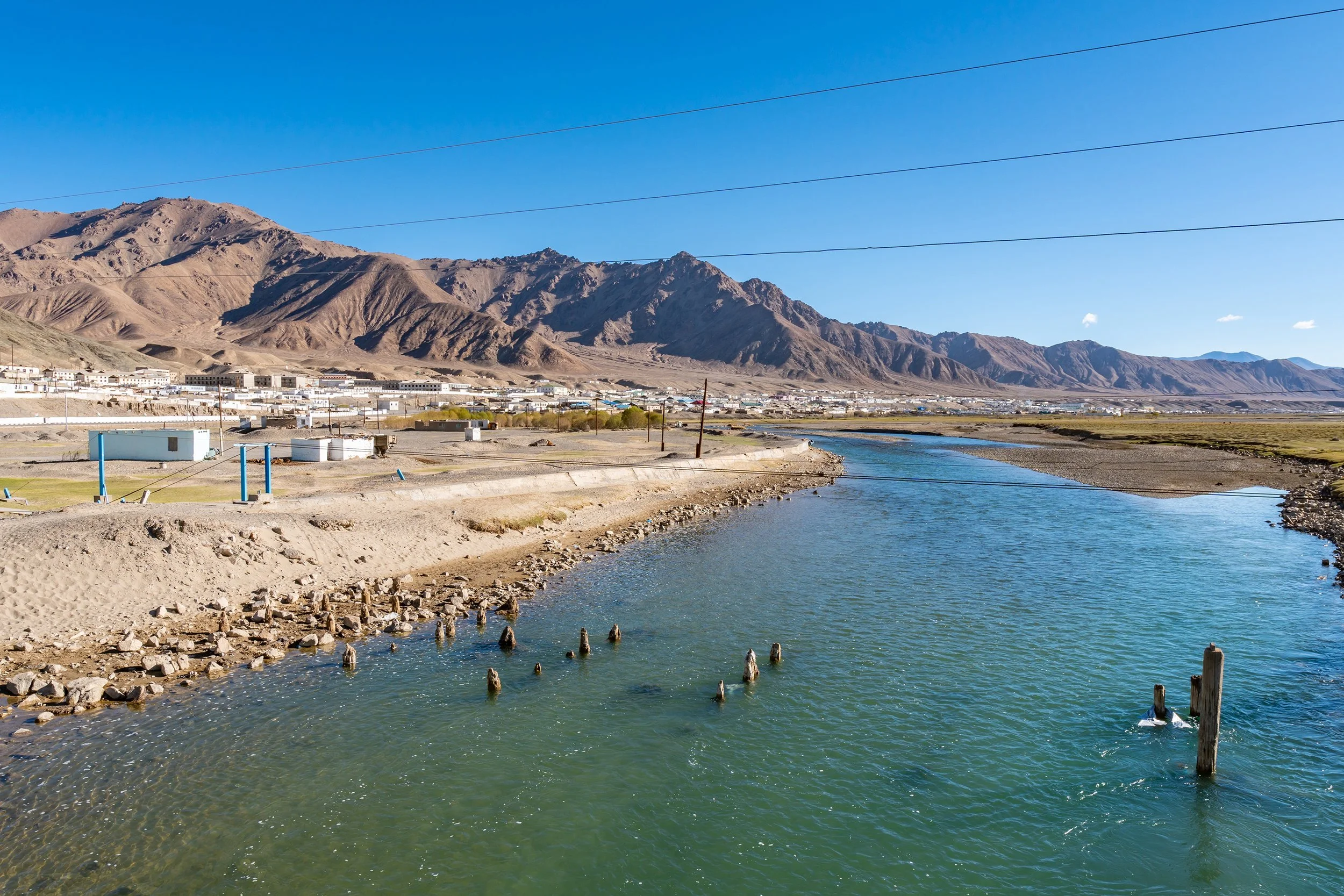
After about 15 km, the landscape transforms into a lush, green area dotted with small trees, a refreshing contrast to the high-altitude pastures we’ve been crossing. We follow the course of the Murghab River, winding deeper into the valley and taking in the peaceful surroundings.
We will stop into the Snow Leopard sanctuary to visit the cats they are rehabilitating there.
Along the way, we stop for a picnic lunch, enjoying the calm of the valley and the fresh mountain air.
After the break, we continue toward Baygashka guesthouse, nestled deep within the valley. By late afternoon, we arrive at the guesthouse, where you can unwind in a hot sauna with a pool, relax, and enjoy a hearty, delicious meal.
Riding 29km / 6 - 7 hours.
Overnight at 3,400min Baygashka guesthouse.
-
8:30 Breakfast.
9:00 Departure. Early this morning, we continue toward Kara Kul Lake. Along the way, the views of mountains and glaciers are simply breathtaking. We cross the Ak-Baital Pass (“White Horse”) at 4,655 m, the highest point of the trip, before beginning a 70 km descent to reach the highest lake in Central Asia.
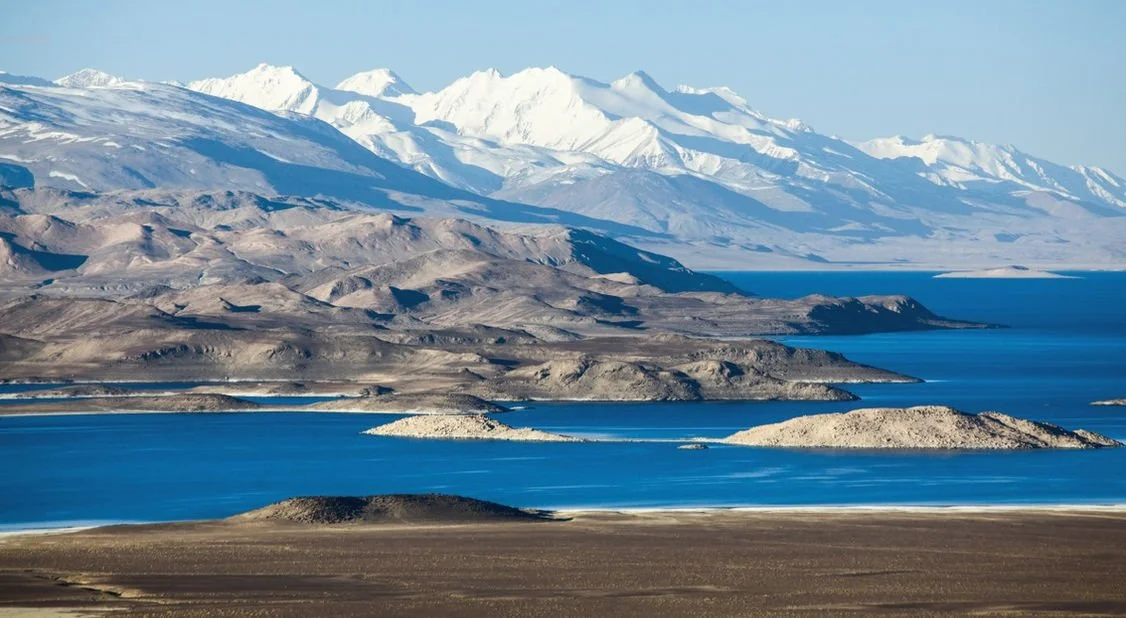
Karakul Lake sits at 3,915 m and is the largest lake in Tajikistan (380 km2). Formed roughly 10 million years ago, it lies in a desert-like landscape due to the region’s very low rainfall.
We stop for lunch in Sary-Tash, and then continue our journey toward Osh.
Along the way, we cross the Taldyk Pass (3,554 m), enjoying spectacular views of the North Alai Range with its colourful and dramatic landscapes.
We expect to arrive in Osh very late evening.
No riding.
Driving 450km / 8-9 hours.
The hotel on the final night is not included. We recommend staying at Classic Hotel.
PRICES & AVAILABILITY
The ride costs £2,400 (2026) 2027 pricing expected soon, per person sharing.
This is an exploratory ride. Returning Black Saddle riders are preferred for these rides which should run smoothly but as we are testing them for the first time they may not. You need to be up for the extra layer of adventure.
2027 dates expected soon. We will run two to four departures in July and August. Fill in a Rider Profile and we will email you the day they are released.
HOW TO BOOK
Fill in an obligation-free rider form and we will share the details of the ride. Your place is reserved with a 30% deposit with the balance due 120 days before the ride.
Cancellation Terms
Should you need to cancel we will aim to replace you and return your deposit less a £250 admin fee. If we are unable to replace you the following terms will apply:
More than 120 days in advance 30% of the full amount is forfeited.
120 - 0 days in advance 100% of the full amount is forfeited.
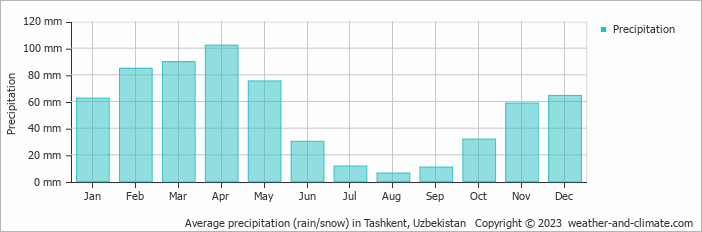
WEATHER + CLIMATE
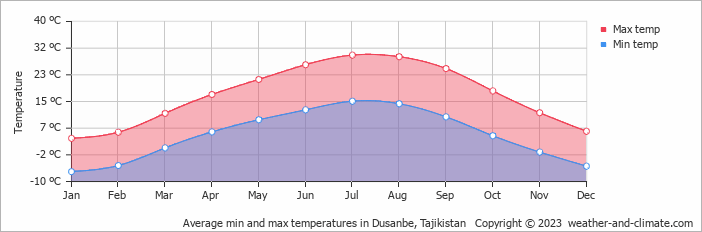
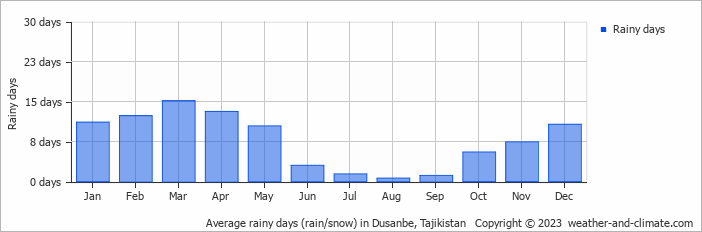
In early to mid-August, the High Pamirs experience their most stable and accessible weather of the year, though conditions remain inherently alpine.
Daytime temperatures in valleys and high plateaus typically range from 10–20°C, while nights are cold, often dropping to 0–5°C, and below freezing at higher camps.
August sits within the short summer window, when most mountain passes are open and grazing lands are in use. Skies are often clear in the mornings, with cloud build-up and occasional afternoon storms. These storms are usually brief but can bring sudden wind, rain, or isolated hail. Snowfall is uncommon at lower elevations but light snow remains possible above 4,500 metres.
Humidity is low, and the air is dry, intensifying sun exposure during clear spells. Winds can be strong on exposed ridges and plateaus, particularly in the afternoons.
Weather in the Pamirs can change rapidly. Riders should be prepared for sharp temperature swings, strong UV, and variable conditions—even during this peak summer period.
We will share a comprehensive packing list with all riders once you are confirmed on the expedition.
TEMPERATURE
RAINY DAYS
RAINFALL
ACCOMMODATION
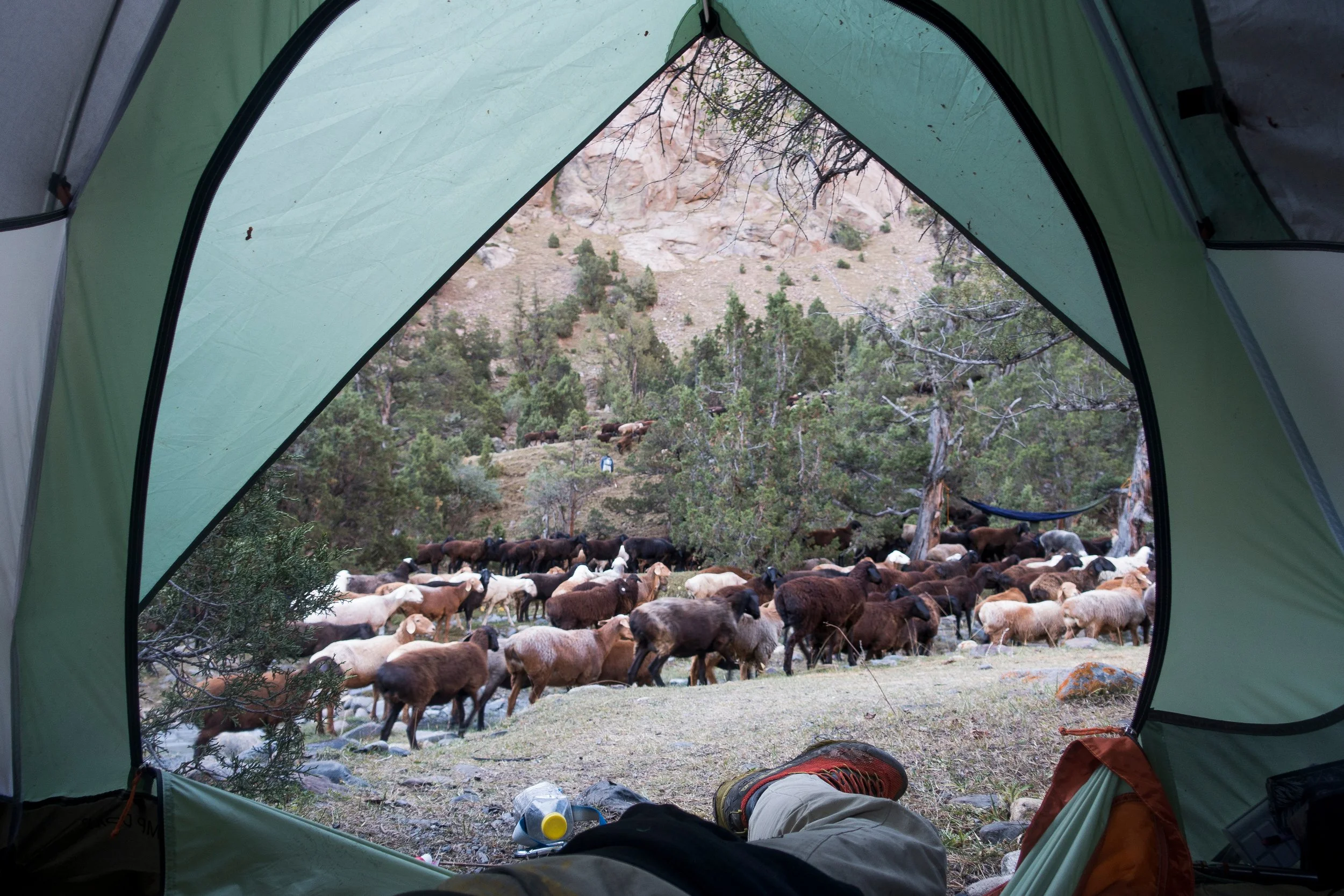
SIMPLE DOME TENTS
Nights 2,3,5,8,9
On the mountain we will sleep in simple dome tents.
Camp is always to water for a face wash. You guides will boil water for drinking though we recommend you also bring micropure tablets or a filter water bottle for drinking water.
Biodegradable wipes can be used for washing and disposed of in the campfire.
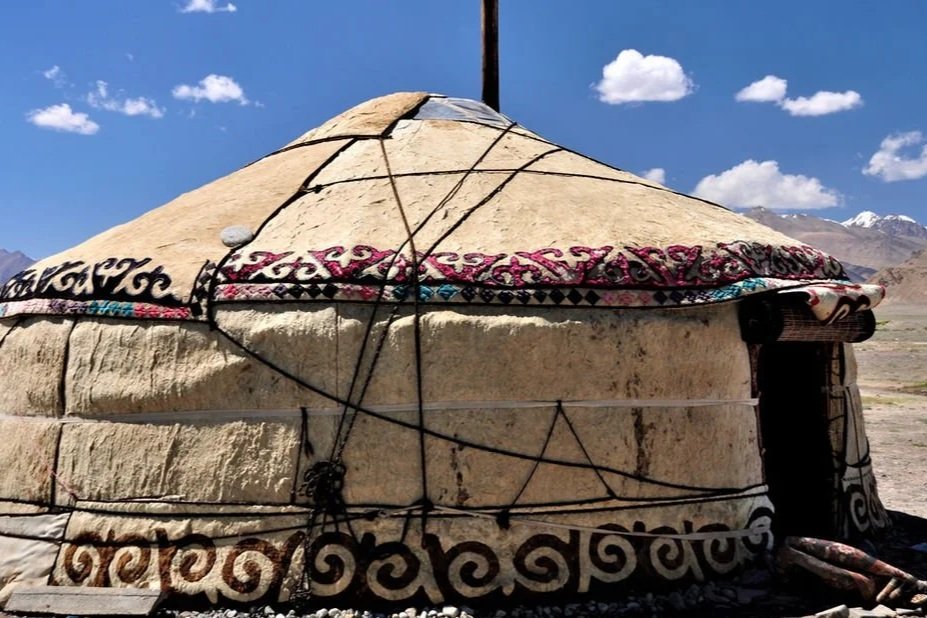
Yurts
Night 6
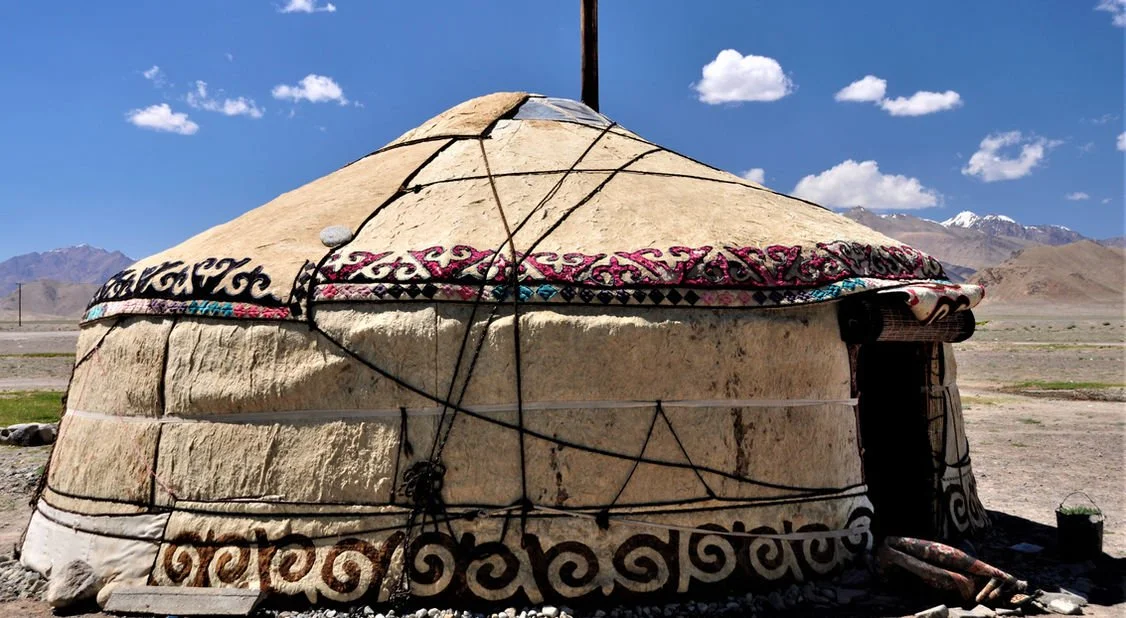
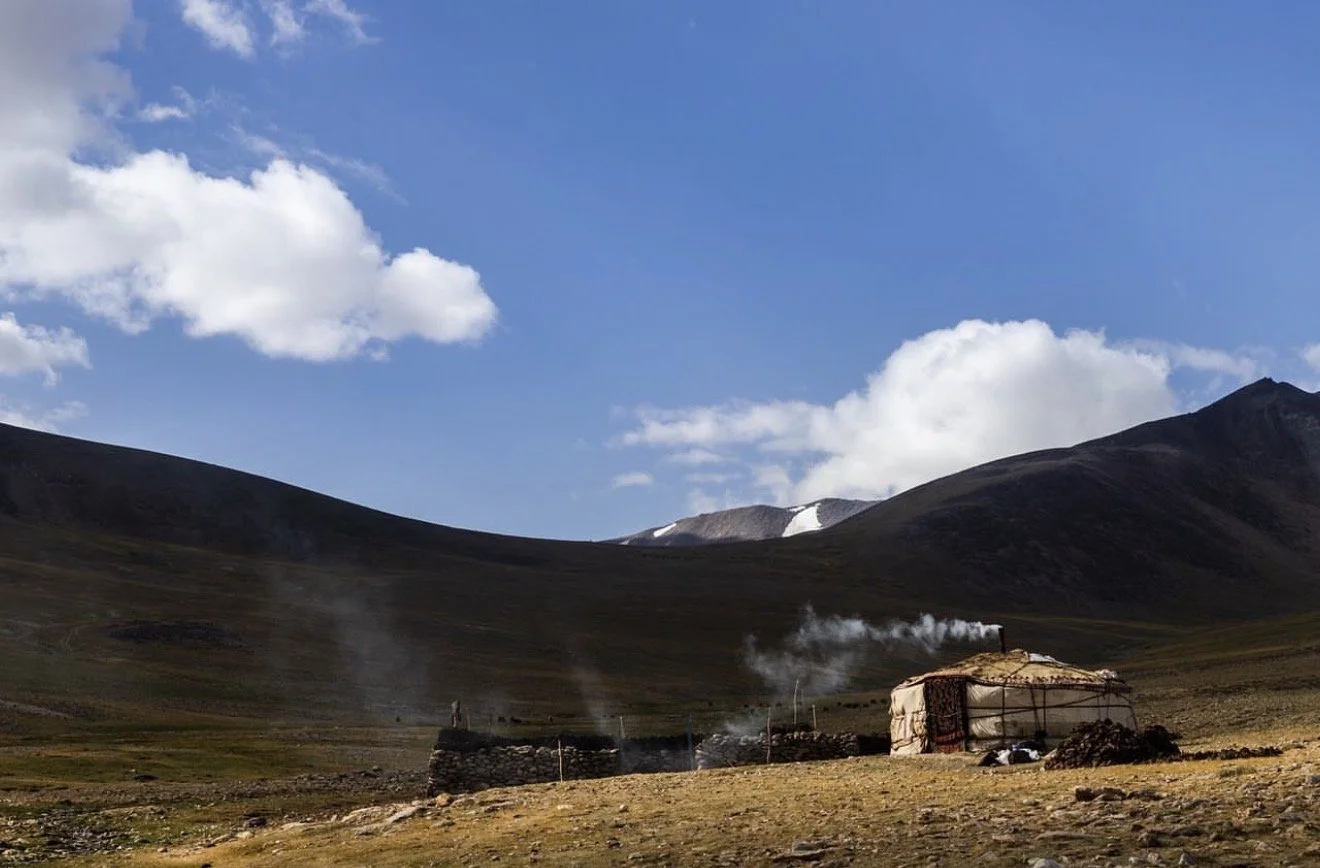
One night we will share a traditional shepherd yurt. Everyone will sleep in a single yurt with your sleeping mat and bag.
You are welcome to pitch your tent for more privacy.
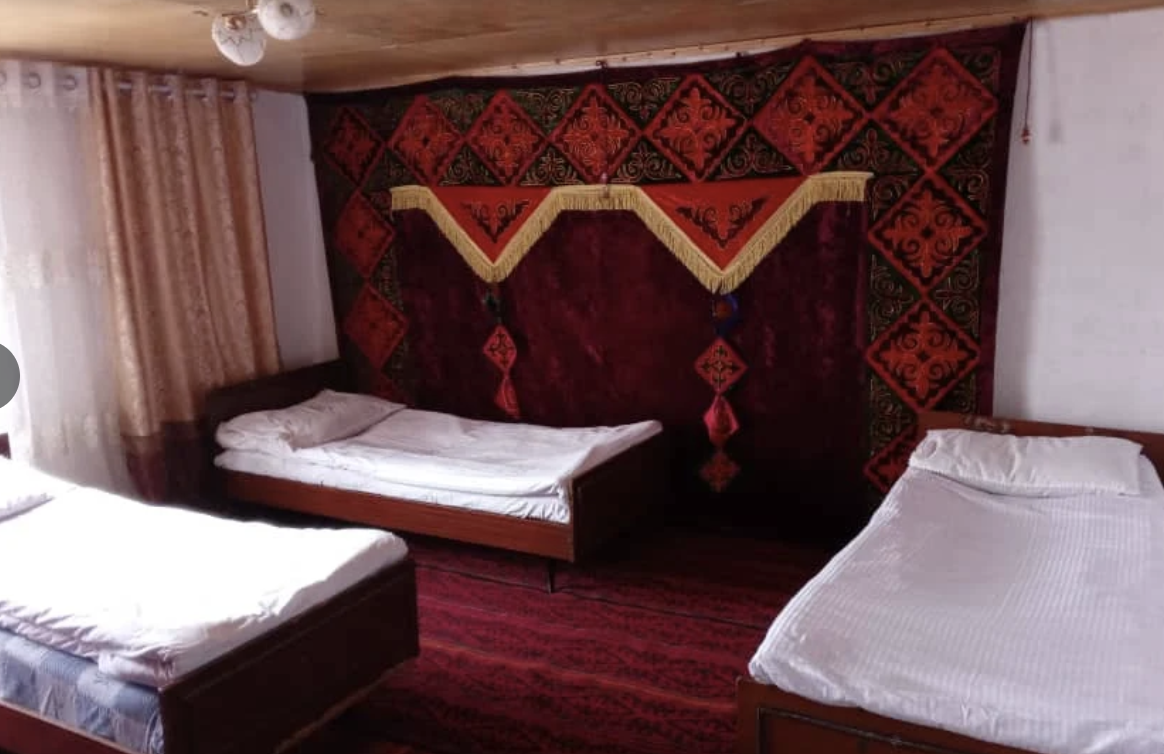
Guest House
Nights 1,4,7,10
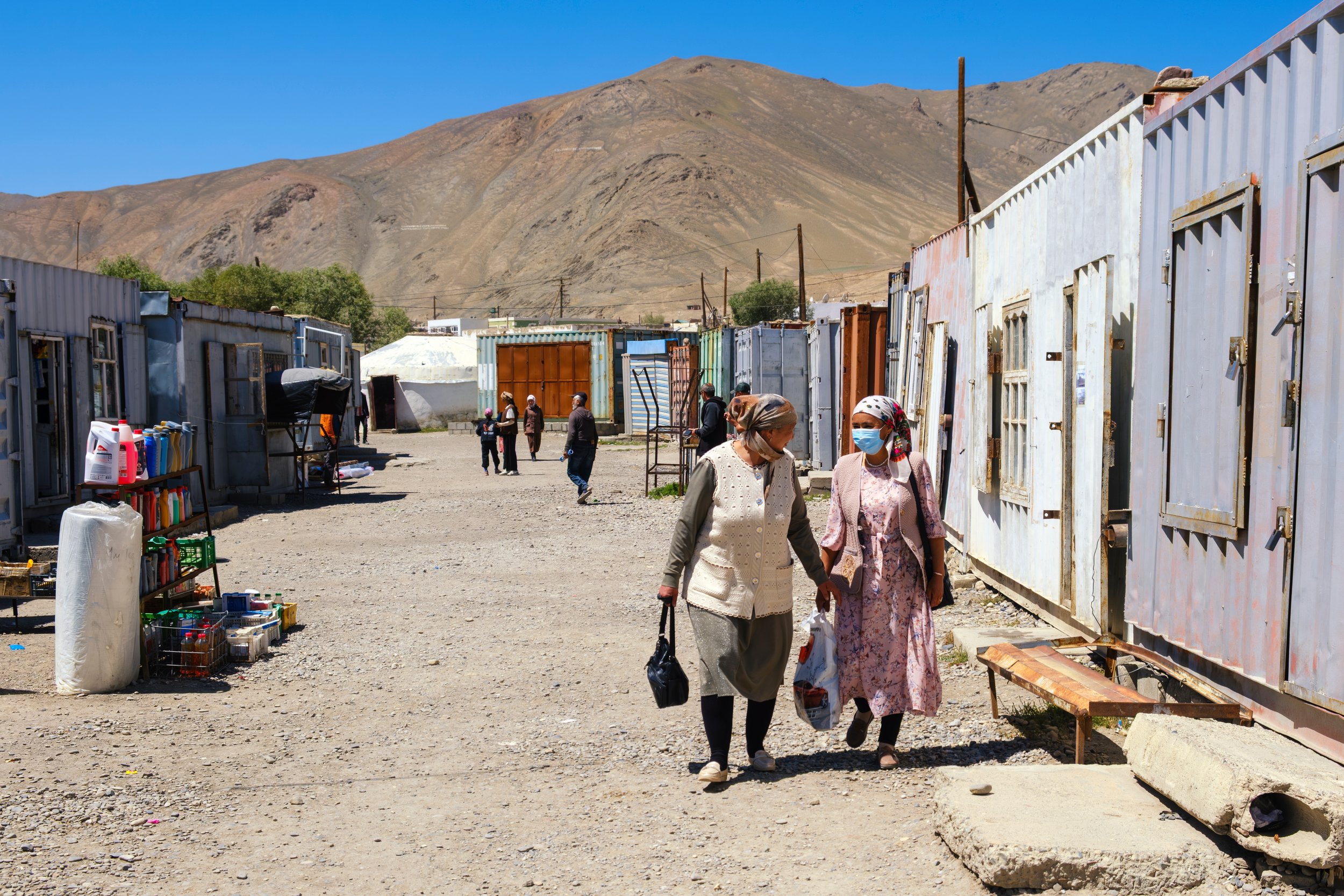
Four nights are spent in local homes. Here we get closest to every day life in Tajikistan. Where there are no tourists and so no hotels, locals open their homes to travellers, adding extra beds to spare bedrooms.
Meals are served family style and produce used for cooking could not be more local.
Classic hotel, Osh
Arrival + Departure
Though not included we highly recommend you book a night before and after the trip in Osh, Kyrgyzstan. This will ensure you aren’t affected by delays and can acclimatise before starting the long drive to the mountains and rest on your return.
MEALS
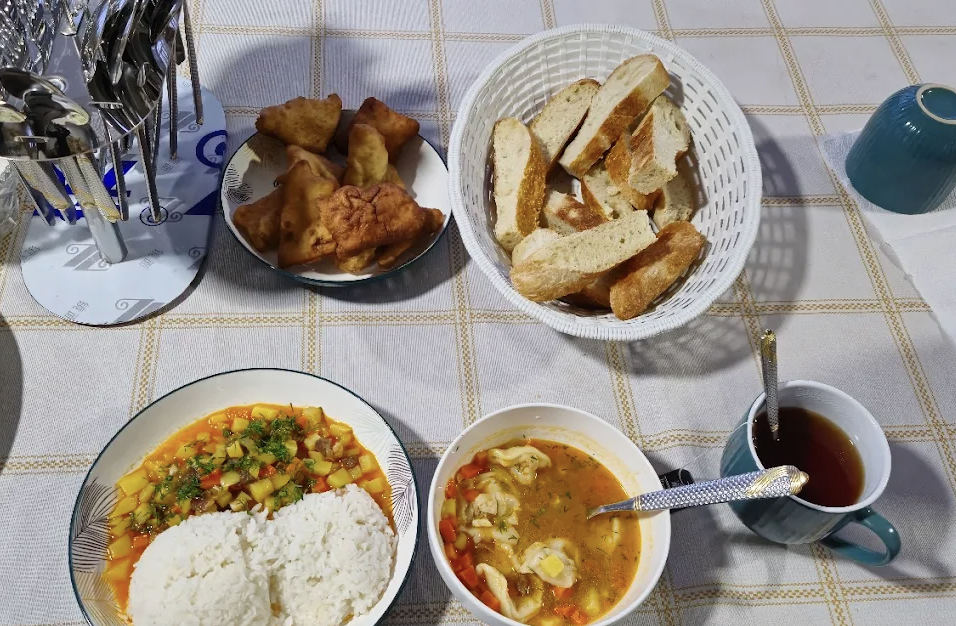
Meals in eastern Tajikistan, particularly in the Pamirs (Gorno-Badakhshan Autonomous Region), are shaped by altitude, isolation, and centuries of Persian, Central Asian, and Silk Road influence. Food is practical, high-energy, and based on what can be grown or stored. Daily meals commonly include non (flatbread), tea with milk or butter, yoghurt, and simple soups made from potatoes, onions, carrots, and occasionally meat. Rice dishes appear at lower elevations, while wheat and barley dominate higher valleys.
Meat—usually mutton or yak—is eaten sparingly, more often for guests or special occasions. Dairy is central: fresh yoghurt, dried curds (qurut), and butter provide calories and protein. Vegetables are seasonal; dried apricots and mulberries are important winter foods.
On trekking picnics, food is deliberately minimal and portable: bread, cheese or qurut, boiled eggs, dried fruit, nuts, and strong tea carried in flasks. Meals prioritise warmth, endurance, and simplicity rather than variety.